PoK Residents Protest Lockdown, Demand Dialogue Over 'Munir Army' Rule
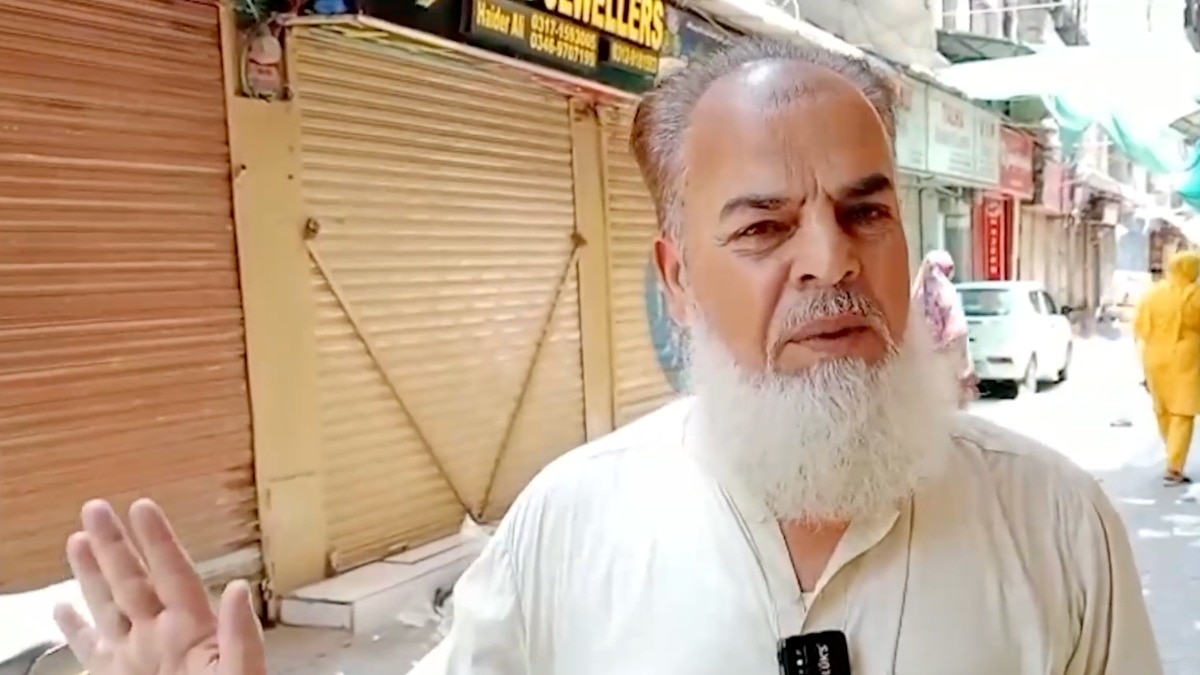
Residents in Pakistan-occupied Kashmir (PoK) are facing severe hardship due to a month-long lockdown that has disrupted banking and internet services. Government employees and pensioners are particularly affected by the prolonged shutdown. Local populations have appealed to the government to abandon strict measures and engage in dialogue. Recently, thousands of people, led by the Jammu and Kashmir Coordination Committee (JKCC), took to the streets in Rawalakot, Muzaffarabad, and Abbaspur. Their protests were against rising inflation, increased electricity rates, and a shortage of essential goods. The demonstrators are calling for a more conciliatory approach from the authorities, emphasizing the need for negotiation over continued repression.
The situation in Pakistan-occupied Kashmir highlights the challenges of governance during prolonged periods of restricted movement and communication. The protests underscore a public demand for responsive governance that addresses economic pressures and ensures access to essential services. The reliance on 'Munir Army' tactics, as perceived by the public, may indicate a governance approach that prioritizes control over dialogue, potentially exacerbating public discontent. Moving forward, fostering open communication channels and implementing policies that alleviate economic burdens are crucial for stabilizing the region and building trust between the administration and its citizens. The long-term implications of such unrest could impact regional stability and international perceptions of governance in disputed territories.
AI-generated to prompt reflection — not editorial opinion, not advice, not a statement of fact. How this works.