Poland and Hungary Restrict Foreign Labor, Sparking Business Concerns
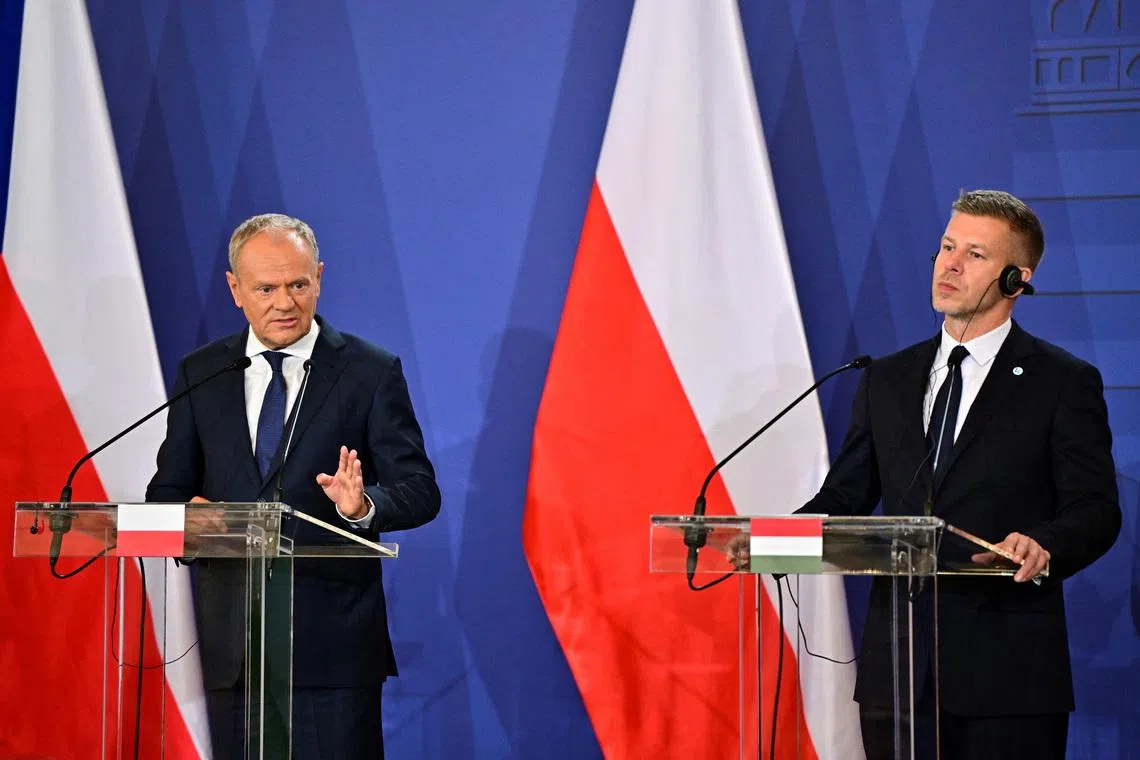
Poland and Hungary are implementing restrictions on foreign labor, a move that has created significant challenges for businesses in both countries. The ruling centrist governments are prioritizing public opinion backlash over potential negative impacts on their economies. This decision comes despite warnings from economists that these curbs could hinder the growth prospects of Poland and Hungary. The situation highlights a difficult balancing act for the governments, caught between appeasing public sentiment and supporting economic development. Businesses relying on foreign workers are now facing uncertainty and potential labor shortages. The long-term economic implications of these policies are a major concern for analysts and industry leaders. The restrictions could impact various sectors that have become dependent on migrant labor for their operations. The governments' approach suggests a focus on domestic political considerations over immediate economic needs.
The governments of Poland and Hungary are navigating a complex political landscape by prioritizing public opinion over the economic benefits of foreign labor. This policy choice reflects a tension between nationalistic sentiment and the practical requirements of a modern economy. While such measures may address immediate public concerns, they risk creating long-term structural weaknesses by limiting the labor pool and potentially stifling innovation and growth. The decision could lead to increased labor costs for businesses, reduced competitiveness, and a slower adaptation to global economic trends. Future economic performance in these nations may depend on their ability to attract and integrate skilled workers, a challenge that these new restrictions could exacerbate over the next decade.
AI-generated to prompt reflection — not editorial opinion, not advice, not a statement of fact. How this works.