Poland Boosts Defense Spending Amid Shifting Warfare, Investing in Tanks and Drones
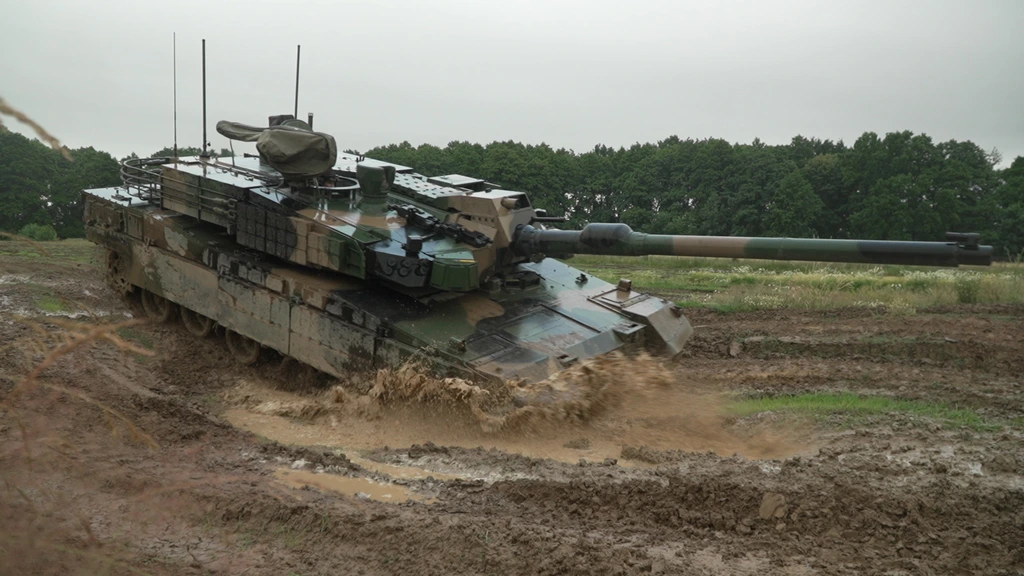
Poland is undertaking a significant defense investment, allocating nearly 44 billion euros through an EU SAFE program loan to bolster its military capabilities. This initiative aims to reduce reliance on non-European arms imports, particularly from the United States, which is perceived as an increasingly unreliable partner. The funds will support various defense projects, from border fortifications to enhancing the domestic arms industry, with a specific focus on increasing the production of tanks and drones.
The Polish military is integrating new South Korean K2 tanks, replacing older equipment donated to Ukraine. The nation plans to produce a thousand K2 tanks domestically. Simultaneously, Poland is developing its drone capabilities, collaborating with Ukraine and investing in drone and anti-drone systems. This dual focus reflects the evolving nature of warfare, highlighted by the conflict in Ukraine, where drones have proven effective against traditional armored vehicles.
Despite the increasing prevalence of drones, Polish military officials, like Brigadier General Roman Brudlo, maintain that tanks remain crucial. They argue that the Ukrainian conflict's specific conditions do not negate the utility of tanks, citing their continued use and the reluctance of any party to relinquish them. Experts, however, acknowledge the challenges posed by drones and emphasize the need for robust drone support for ground forces, while also stressing that drones alone are insufficient for offensive operations. Poland is already nearing NATO's target of 5% of GDP for defense spending, underscoring its proactive stance in response to perceived threats from Russia.
Poland's substantial defense investment, driven by geopolitical tensions and evolving warfare doctrines, highlights a strategic pivot towards European self-sufficiency in defense production. The dual emphasis on tanks and drones reflects a pragmatic approach to a complex threat landscape, acknowledging both the enduring utility of traditional armored forces and the disruptive impact of new technologies like drones. This strategy navigates the tension between established military paradigms and the rapid 'dronization' of conflict, prompting a broader NATO discussion on force modernization and interoperability. The SAFE program's aim to foster intra-European defense industrial capacity is a critical development, potentially reshaping continental security architecture and reducing external dependencies in an era of global uncertainty.
AI-generated to prompt reflection — not editorial opinion, not advice, not a statement of fact. How this works.