Poland Funds Over $200 Million in New Defense Projects Under PERUN Program
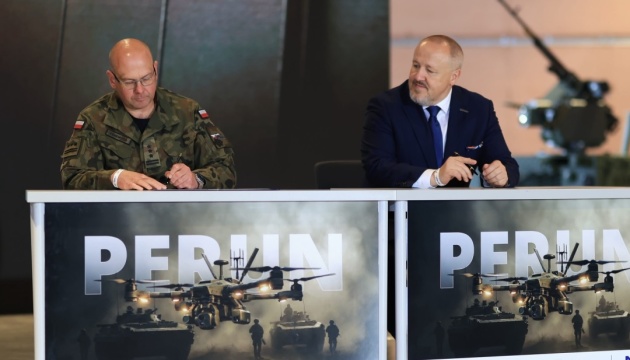
Poland has signed new agreements to finance innovative defense developments as part of the PERUN program. A total of 753 million Polish zloty, equivalent to over $200 million, will be allocated to support 29 defense projects within the country. This initiative aims to bolster Poland's defense capabilities through technological advancements and strategic investments in its military sector. The PERUN program signifies a commitment to enhancing national security and fostering domestic innovation in defense technologies. The funding will be distributed across various research and development initiatives, focusing on cutting-edge solutions for modern military challenges. This move underscores Poland's dedication to modernizing its armed forces and strengthening its position within the European defense landscape. The program's focus on innovation suggests a forward-looking approach to defense procurement and development. The specific details of the 29 projects remain undisclosed, but the substantial financial commitment indicates a broad scope of advancements planned. This investment is expected to stimulate the Polish defense industry and create opportunities for technological breakthroughs.
The Polish government's allocation of over $200 million for defense innovation under the PERUN program highlights a strategic prioritization of national security and technological self-sufficiency. This investment reflects a broader trend among European nations to bolster defense capabilities in response to evolving geopolitical landscapes. By funding 29 distinct projects, Poland aims to stimulate its domestic defense industry and foster a pipeline of advanced military technologies. The program's success will likely depend on effective project management, transparent allocation of resources, and the ability to translate research into deployable assets. Future considerations might include fostering international collaboration to share costs and expertise, ensuring interoperability with allied forces, and adapting to the rapid pace of technological change, particularly in areas like artificial intelligence and cyber warfare.
AI-generated to prompt reflection — not editorial opinion, not advice, not a statement of fact. How this works.