Poland Identifies Russian Kh-101 Cruise Missile as Cause of Border Incident
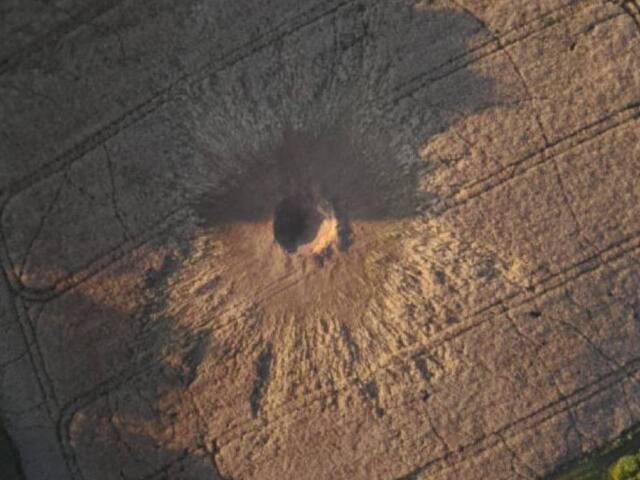
Polish authorities have officially confirmed the type of missile that violated Polish airspace and landed in the Lublin Voivodeship during a large-scale Russian attack on Ukraine. According to Deputy Minister of National Defence Cezary Tomczyk, the object was identified as a Russian Kh-101 cruise missile. This identification provides clarity on the nature of the incident that occurred within Polish territory. The missile's trajectory and origin are now understood to be linked to the broader military actions being conducted by Russia against Ukraine. The Polish government has taken steps to address the security implications of this event. Further details regarding the missile's impact and any subsequent investigations are expected to be released by the relevant authorities. The incident underscores the potential risks of spillover effects from the conflict in neighboring Ukraine.
The confirmation of a Russian Kh-101 cruise missile landing in Poland highlights the inherent risks of escalation and unintended consequences in complex geopolitical conflicts. The incident underscores the critical importance of robust air defense systems and clear communication protocols between neighboring states during periods of heightened regional instability. Future analysis should consider the implications for NATO's eastern flank, the effectiveness of early warning systems, and the potential for miscalculation or accidental incursions as military operations intensify. Understanding the missile's flight path and the response mechanisms employed will be crucial for assessing future deterrence strategies and de-escalation efforts.
AI-generated to prompt reflection — not editorial opinion, not advice, not a statement of fact. How this works.