Poland to Build 'Wall of Memory' for Victims of Volhynia Massacres
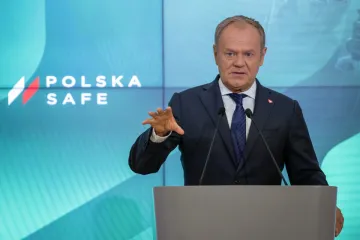
Polish Prime Minister Donald Tusk announced on Saturday the construction of a 'Wall of Memory' in Warsaw. This monument will commemorate Poles who perished during 20th-century wars on the territory of present-day Ukraine. Tusk made this pledge on the day Poland observed the 'Bloody Sunday,' marking the peak of massacres of Poles by Ukrainian nationalists in Volhynia in 1943. Tusk characterized these atrocities as genocide. He also issued a warning against responding to nationalism with further nationalism, emphasizing the need for a different approach.
The Polish government's commitment to erecting a 'Wall of Memory' for victims of the Volhynia massacres signifies a state-level effort to memorialize historical trauma and assert national narratives. This initiative, framed by Prime Minister Tusk as a response to genocide, highlights the enduring impact of historical conflicts on contemporary interstate relations, particularly between Poland and Ukraine. While acknowledging past atrocities is crucial for reconciliation, the framing of such events can influence geopolitical dynamics and public sentiment. The emphasis on avoiding a nationalistic response to nationalism suggests an awareness of the delicate balance required in commemorating suffering without exacerbating current tensions. Future policy decisions regarding historical memory and bilateral relations will likely be shaped by these commemorative acts, underscoring the long-term influence of historical grievances on regional stability and cooperation in the coming decade.
AI-generated to prompt reflection — not editorial opinion, not advice, not a statement of fact. How this works.