Poland-Ukraine History Dispute Fuels Rise in Reported Attacks on Ukrainians in Poland
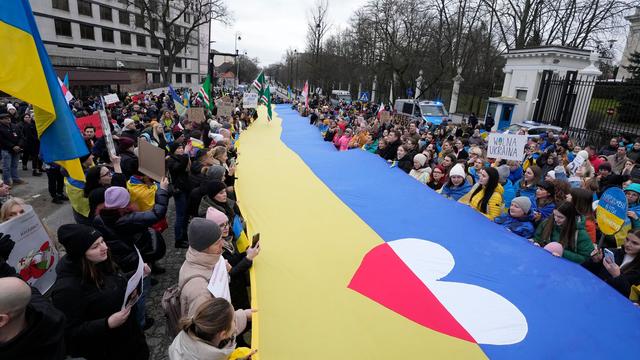
Reports of attacks against Ukrainian citizens in Poland are increasing amid an ongoing historical dispute between the two neighboring countries. The exact nature and frequency of these incidents are not detailed, but their rise is noted in connection with the bilateral tensions. The historical disagreements between Poland and Ukraine have reportedly escalated, leading to a more hostile environment for Ukrainians residing in Poland. This situation highlights the potential for historical grievances to spill over into contemporary social and security issues. Further details on the specific incidents, perpetrators, and motivations behind these attacks are needed to fully assess the scope of the problem. The Polish authorities have not yet issued a comprehensive statement addressing the reported increase in attacks. The implications for Ukrainian refugees and the broader Polish-Ukrainian relationship remain a significant concern.
The reported increase in attacks on Ukrainians in Poland, coinciding with historical disputes, suggests a complex interplay between national narratives and social cohesion. While historical disagreements are a legitimate subject of academic and diplomatic discourse, their potential to incite hostility towards minority groups requires careful management by state actors. Governments have a responsibility to ensure the safety of all residents, regardless of their origin, and to prevent the weaponization of historical grievances for contemporary political or social ends. The situation underscores the importance of robust public communication strategies and legal frameworks to protect vulnerable populations and maintain intergroup harmony, particularly in the context of significant refugee populations. Future policy considerations should focus on de-escalation mechanisms and fostering a shared understanding that transcends historical divisions.
AI-generated to prompt reflection — not editorial opinion, not advice, not a statement of fact. How this works.