Poland Warns Ukraine EU Aspirations Could Be Hindered by UPA Symbols
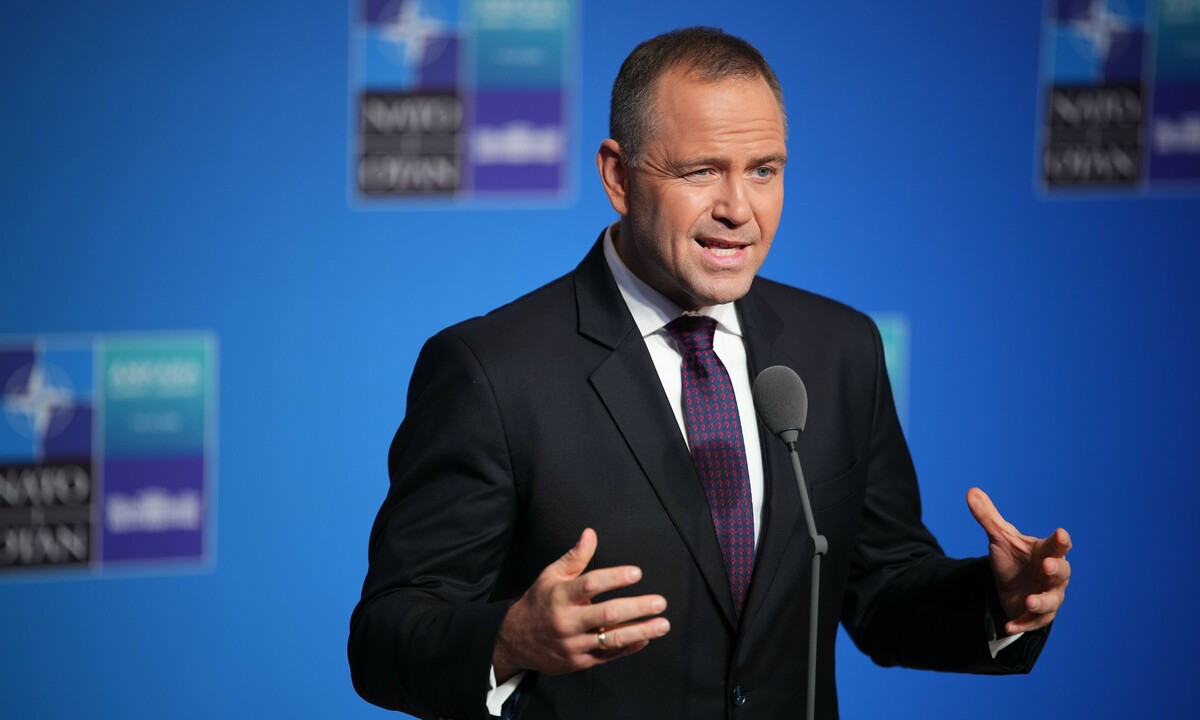
The President of Poland has issued a warning to Ukraine regarding the potential negative impact of using symbols associated with the UPA resistance group on their European Union aspirations. He stated that such actions could impede Ukraine's "future" within the EU. The UPA, or Ukrainian Insurgent Army, was active during World War II and is a controversial historical entity due to its involvement in ethnic cleansing and collaboration with Nazi Germany. While some Ukrainian nationalist groups view the UPA as heroes fighting for independence, others, particularly in Poland and Russia, condemn their actions. Poland's caution highlights the complex historical narratives and sensitivities that can arise when countries seek closer integration with the EU. It suggests that Ukraine must navigate these historical issues carefully to avoid alienating potential allies and undermining its integration efforts. The EU generally requires member states to uphold democratic values and human rights, and historical symbols associated with controversial past actions can present challenges to this image.
This situation highlights the intricate interplay between national identity, historical memory, and geopolitical aspirations. Ukraine's pursuit of EU membership necessitates alignment with European values, which can create tension with nationalist symbols that evoke contentious historical periods. Poland's warning underscores the EU's sensitivity to historical narratives and potential implications for regional stability and reconciliation. Navigating these sensitivities requires a nuanced approach, balancing national pride with the broader requirements of international integration. The long-term challenge for Ukraine will be to foster a unified national identity that acknowledges complex historical legacies without compromising its strategic goals of closer ties with the West.
AI-generated to prompt reflection — not editorial opinion, not advice, not a statement of fact. How this works.