Polar Air Mass Brings Freezing Temperatures to Rio Grande do Sul, Brazil
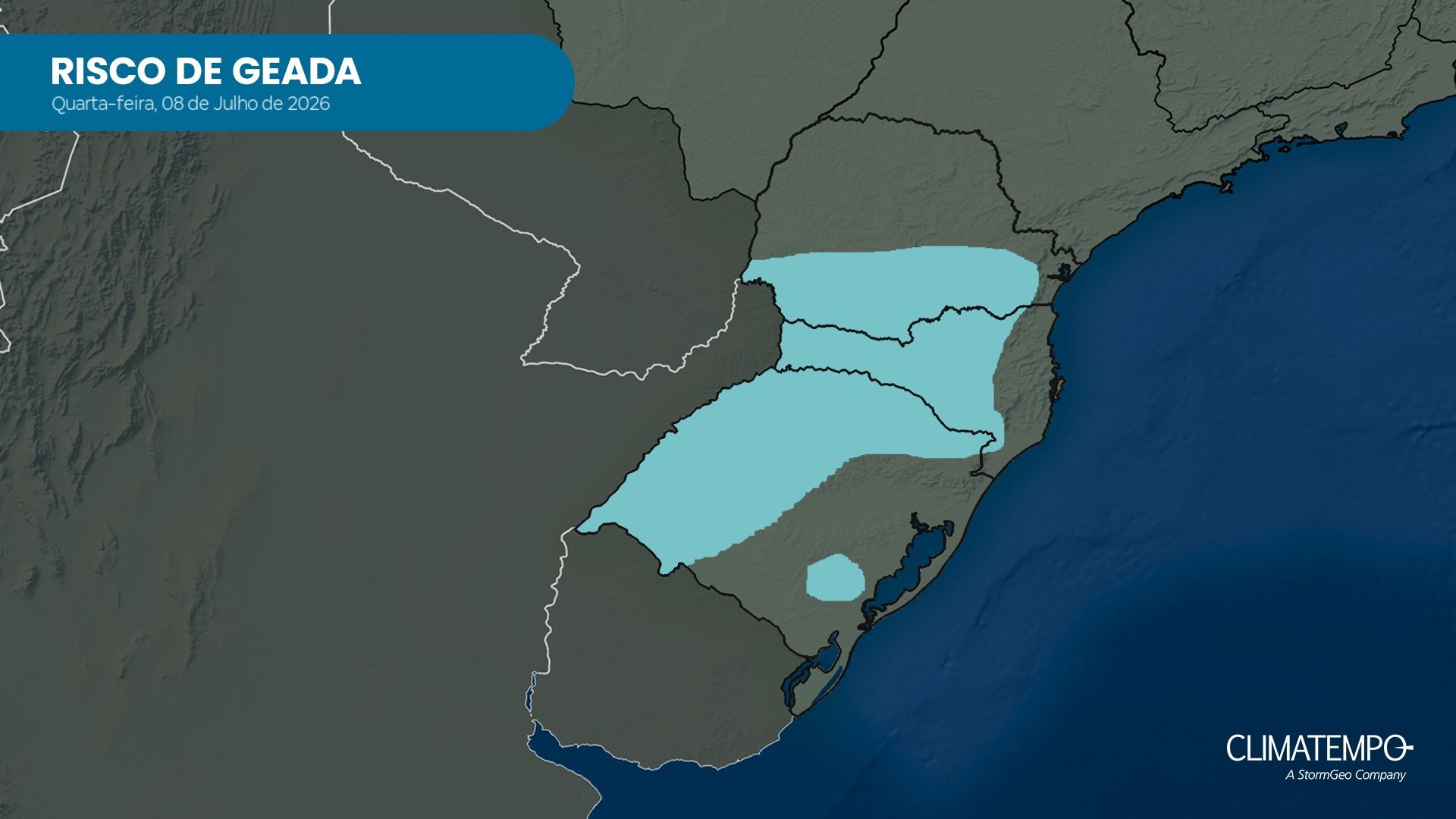
A significant polar air mass has caused temperatures to plummet across Rio Grande do Sul, Brazil, with several cities recording sub-zero readings on Wednesday, May 8th. Santana do Livramento experienced the lowest temperature at -2.4°C, according to preliminary meteorological data. Other locations like Getúlio Vargas, Rosário do Sul, São José dos Ausentes, Santa Bárbara do Sul, and Bom Jesus also registered negative temperatures, ranging from -1.3°C to -1.8°C. Climatempo Meteorologia indicates that the state will experience predominantly clear and dry weather due to the cold, dry polar air mass affecting the South of the country. Daytime highs are expected to be milder, between 15°C and 20°C, with no rain anticipated. Frost is a risk in the early morning hours, particularly in the northern, northwestern, northeastern, Campos de Cima da Serra, Planalto, Campanha regions, and elevated areas of the southern state. The cold is forecast to lessen on Thursday, May 9th, with minimum temperatures between 2°C and 14°C, and highs from 12°C to 23°C. A shift in weather is predicted for Friday, May 10th, as instability systems approach, bringing potential light to moderate rain, especially to western and southern border areas, with accumulations possibly reaching up to 30 mm, according to Civil Defense.
The arrival of a polar air mass in Rio Grande do Sul highlights the dynamic and often extreme weather patterns influenced by continental climate systems. While this event presents immediate challenges for agriculture and daily life due to freezing temperatures and frost risk, it also underscores the importance of robust meteorological forecasting and emergency preparedness infrastructure. As climate variability potentially intensifies, understanding and adapting to such temperature swings will be crucial for regional resilience. The interplay between atmospheric circulation and local geography dictates the severity and distribution of these cold snaps, offering insights into the broader climate dynamics affecting South America.
AI-generated to prompt reflection — not editorial opinion, not advice, not a statement of fact. How this works.