Polar air mass brings sharp temperature drops to São Paulo's interior
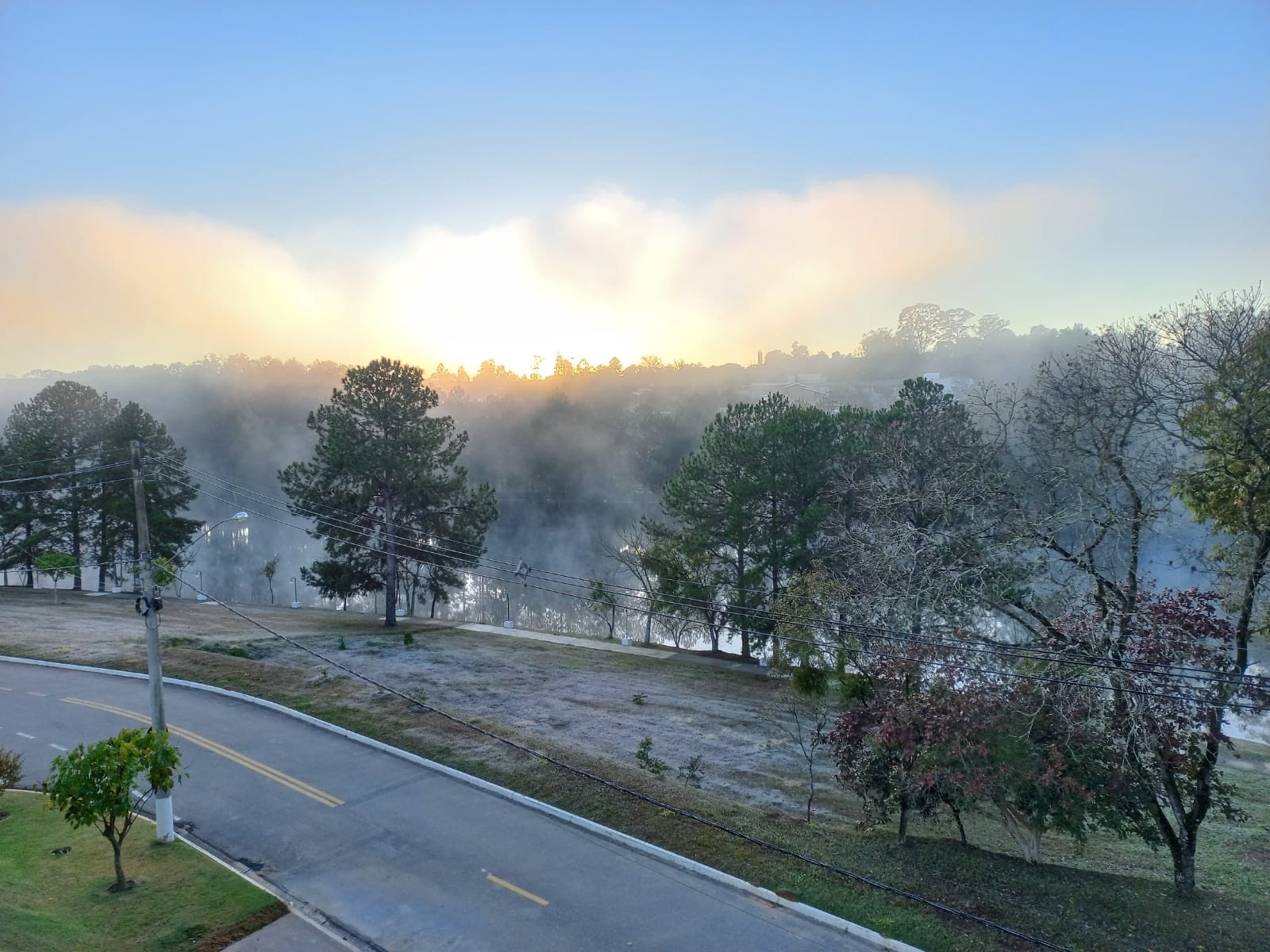
A cold and dry polar air mass is causing temperatures to plummet across the interior of São Paulo state, beginning Tuesday, May 14th. The State Civil Defense reported that this weather pattern is also conducive to morning fog formation, frost in higher-altitude and plateau regions, and a significant decrease in relative humidity across various inland areas. On Tuesday, the cold intensified throughout São Paulo, with minimum temperatures predicted to reach as low as 4°C in some locations. Itapeva, for instance, is expected to experience frost, with temperatures ranging between 5°C and 15°C. The polar air mass will continue to influence the state's weather on Wednesday, May 15th, with colder conditions and potential for fog and mist. Although temperatures will gradually rise in the afternoon, southerly winds will maintain a chilly sensation into the evening. Meteorologists forecast the lowest temperatures in the coming days to be around 6°C in the Itapetininga region, 8°C in Sorocaba, 10°C in Presidente Prudente, Marília, Araçatuba, and Bauru, and 11°C in São José do Rio Preto. In response to the severe cold, the Civil Defense advises extra precautions for vulnerable groups like children, the elderly, homeless individuals, and pets. They recommend staying warm, ensuring ventilation, and avoiding makeshift heating systems due to fire and carbon monoxide poisoning risks. Drivers are urged to be cautious of reduced visibility from fog and mist on roads during early mornings. Emergency services can be reached via Civil Defense at 199 or the Fire Department at 193.
This weather event highlights the vulnerability of regional populations to extreme temperature fluctuations, particularly in areas with less robust infrastructure for climate resilience. The advisory from the Civil Defense underscores a recurring challenge in managing public health during seasonal shifts, especially for at-risk demographics. As climate patterns become more unpredictable, a proactive approach focusing on long-term adaptation strategies, rather than solely reactive measures, will be crucial. This includes urban planning that considers microclimates, public health campaigns tailored to extreme weather events, and accessible support systems for vulnerable populations. The reliance on emergency numbers indicates a system geared towards immediate crisis response, but the underlying need is for systemic improvements that mitigate the impact of such events before they escalate into emergencies.
AI-generated to prompt reflection — not editorial opinion, not advice, not a statement of fact. How this works.