Polar air mass brings sub-zero temperatures to Rio Grande do Sul, with frost expected
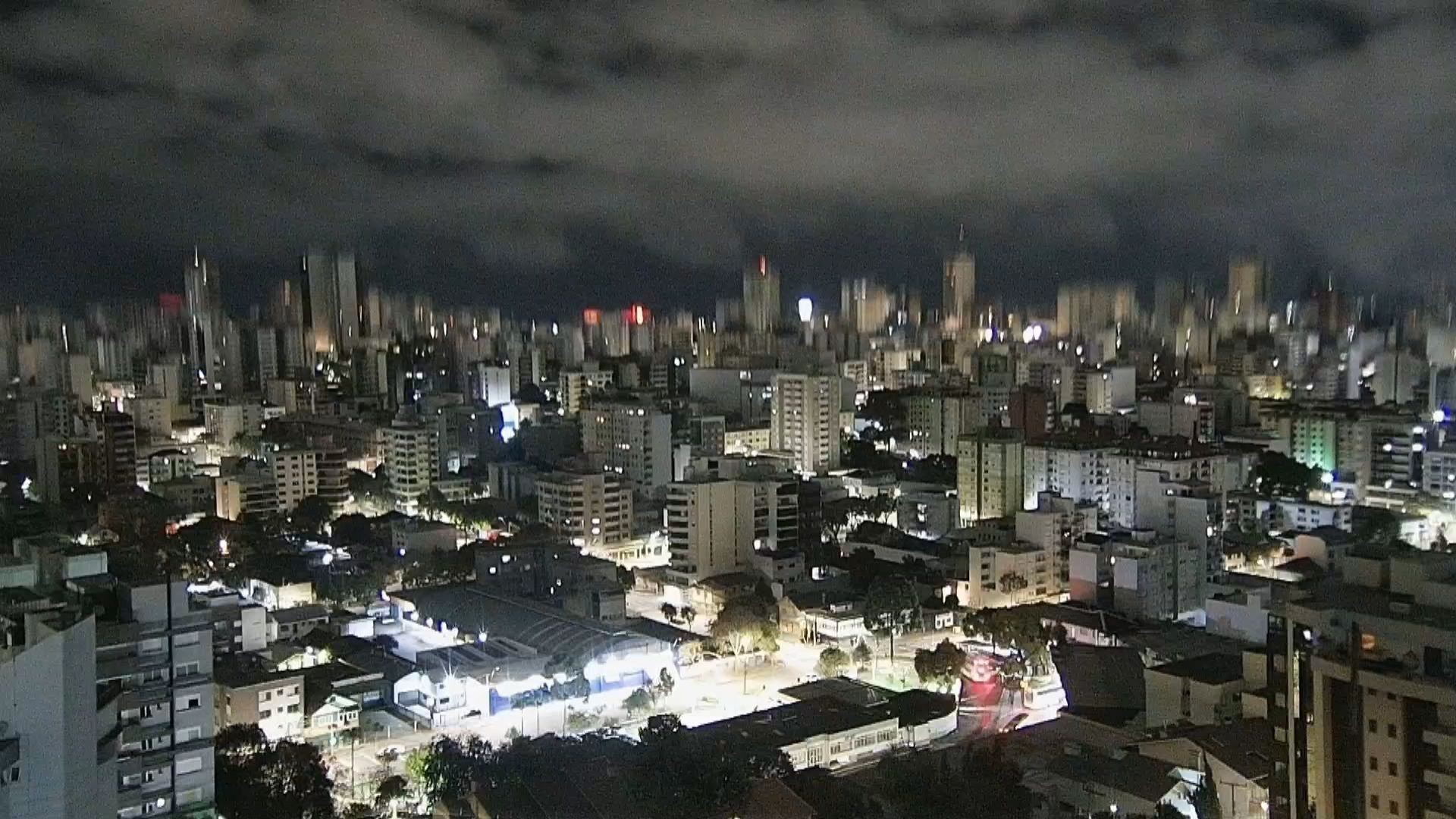
An intense polar air mass has significantly lowered temperatures across Rio Grande do Sul, Brazil. On Tuesday, May 7th, several cities recorded sub-zero temperatures, with Santana do Livramento registering the lowest at -2.6°C. Other locations like Encruzilhada do Sul (-2.2°C) and Rosário do Sul (-2.0°C) also experienced freezing conditions. Climatempo Meteorologia forecasts clear skies throughout the state in the coming days, creating favorable conditions for frost formation. While daytime temperatures will see a slight increase, the sensation of cold will persist, with maximums ranging between 8°C and 16°C. Wednesday, May 8th, will continue with stable weather and sunshine across most regions. Minimum temperatures are expected to range from -2°C to 10°C, with a risk of frost, while afternoon highs will be between 15°C and 20°C. Thursday, May 9th, will see a cold start again, with minimums between 2°C and 13°C and frost likely, particularly in higher-altitude areas and the Campanha region. Maximum temperatures are predicted to be between 12°C and 20°C. By Friday, May 10th, the state will experience a wide thermal amplitude, characterized by a moderately cold morning followed by a pleasant afternoon.
This cold snap in Rio Grande do Sul, driven by a polar air mass, highlights the vulnerability of southern Brazil to extreme weather events influenced by atmospheric circulation patterns. While such temperature drops are not uncommon for the region during this season, the intensity and widespread nature of the sub-zero readings underscore the importance of robust meteorological monitoring and public preparedness systems. The forecast for frost suggests potential impacts on agriculture, necessitating proactive measures from farmers to protect crops. Looking ahead, understanding the frequency and severity of these cold events, especially in the context of evolving climate dynamics, will be crucial for regional planning and ensuring resilience against weather-related economic and social disruptions.
AI-generated to prompt reflection — not editorial opinion, not advice, not a statement of fact. How this works.