Polarization Used to Justify Government Actions
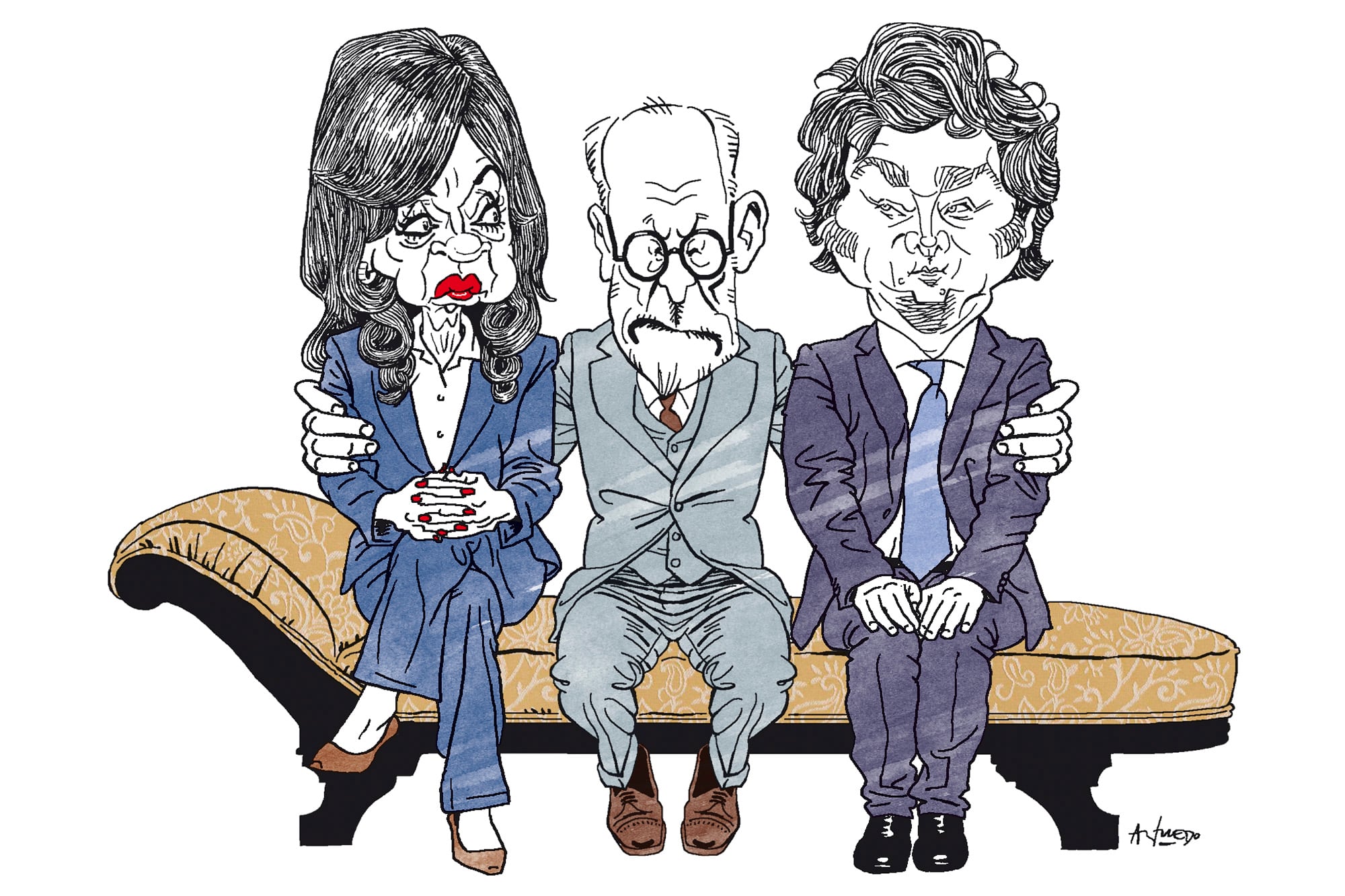
The "kuka risk" is presented as the most potent specter wielded by the ruling party and embraced by many of its voters. This narrative serves to justify, tolerate, or foster resignation towards the actions of Javier Milei and his administration. The concept implies that the perceived threat of a return to previous political ideologies or figures is used to legitimize current policies and governmental decisions. This tactic appears to be a significant tool for the officialism to maintain support and deflect criticism, as it frames any opposition or dissent as potentially leading back to an undesirable past. Consequently, the public's acceptance of the government's agenda is influenced by this fear-based justification, creating a climate where compromise and acceptance are prioritized over scrutiny.
The framing of political discourse around a "kuka risk" highlights a common strategy where perceived external threats are leveraged to consolidate domestic support and deflect accountability. This approach, while effective in mobilizing a base and creating a sense of urgency, can stifle critical evaluation of government policies. By focusing on the perceived dangers of an alternative, the current administration may be obscuring the need for robust policy debate and evidence-based decision-making. Looking ahead, societies increasingly reliant on transparent governance and informed public discourse may find such polarization tactics to be a hindrance to long-term stability and progress, potentially leading to a governance model that prioritizes ideological purity over pragmatic solutions.
AI-generated to prompt reflection — not editorial opinion, not advice, not a statement of fact. How this works.