Police Arrest 13 Suspects in Drug Trafficking Ring with R$110 Million Turnover
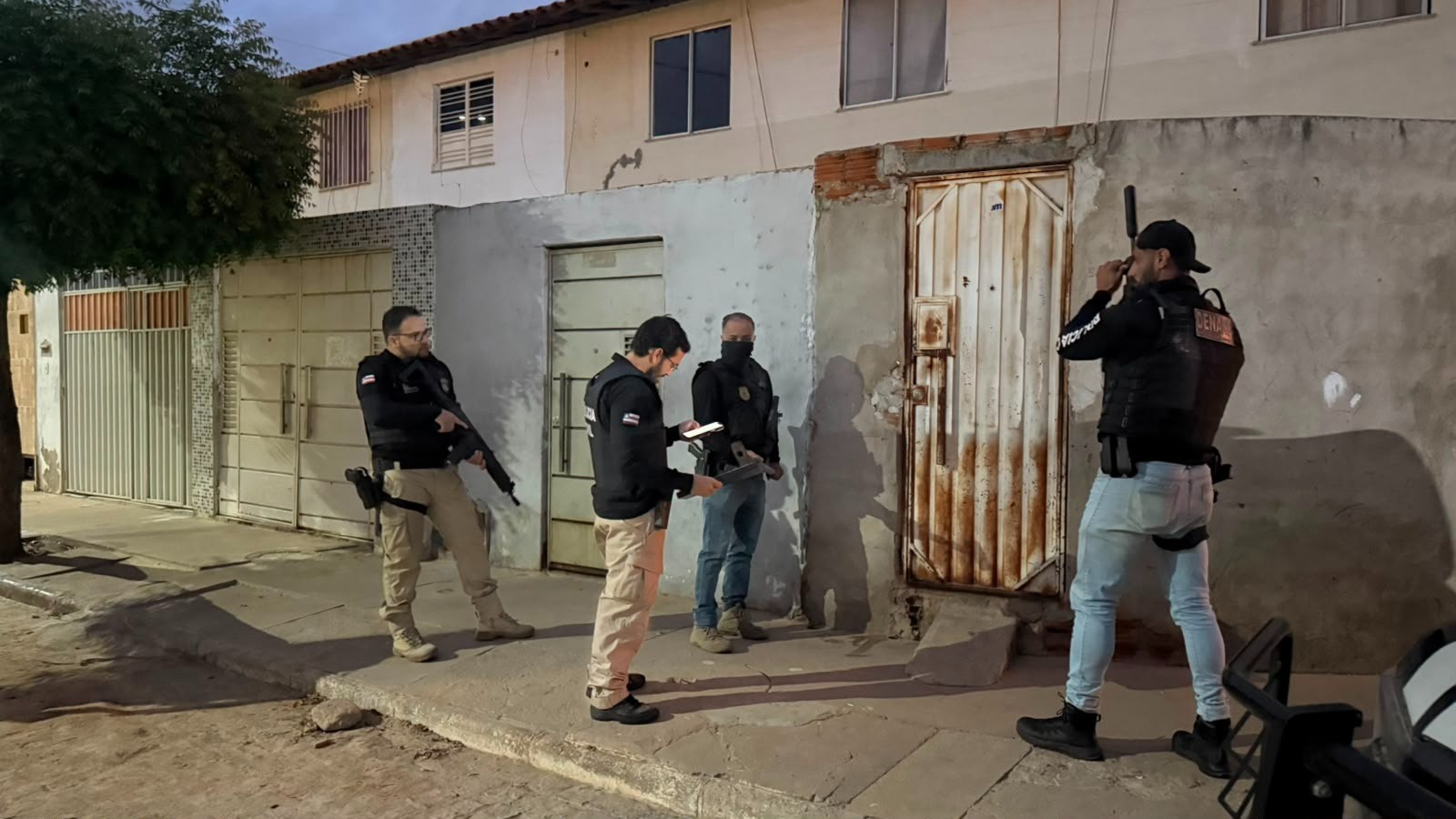
Civil Police have arrested 13 individuals suspected of belonging to a criminal organization involved in drug trafficking and money laundering, with an estimated turnover of R$110 million. The operation, conducted on Thursday, May 16, targeted the group's activities across Bahia and Pernambuco states. Arrests were made in Salvador and Juazeiro, Bahia, and Petrolina, Salgueiro, and Serra Talhada, Pernambuco. The investigation, which lasted one year, suggests the organization primarily operated in Juazeiro and Petrolina, dealing in synthetic drugs, cocaine, and marijuana. A key figure is believed to have coordinated drug distribution in these cities. The group is accused of drug trafficking, criminal association, and money laundering. During the operation, police seized vehicles, drugs, ammunition, and cash. Two individuals remain at large, and one suspect was already in custody. In Juazeiro, six arrests were made, including a couple found with drugs, ammunition, and R$28,000 in cash, as well as another suspect with a firearm. In Petrolina, a couple was arrested, and ammunition was seized from another suspect's residence. The organization allegedly purchased drugs in São Paulo and negotiated wholesale marijuana deals with producers in Pernambuco. A financial unit was responsible for collecting profits and distributing them through various bank accounts held by straw individuals to obscure the money trail. The scheme is reported to have generated R$110 million between January 2024 and October 2025, leading to the freezing of bank accounts up to that amount. Two vehicles valued at approximately R$300,000 were also confiscated.
This operation highlights the sophisticated financial mechanisms employed by drug trafficking organizations to launder illicit proceeds. The R$110 million turnover and the use of straw individuals for money laundering indicate a well-established financial infrastructure designed to evade detection. The geographical spread across two states and the sourcing of drugs from São Paulo and local cultivation points to complex logistical networks. Future efforts to combat such organizations will likely require enhanced cross-state and inter-agency cooperation, as well as advanced financial intelligence capabilities to trace and disrupt the flow of laundered funds. The reliance on 'laranjas' suggests a vulnerability that could be exploited through targeted financial investigations and asset forfeiture.
AI-generated to prompt reflection — not editorial opinion, not advice, not a statement of fact. How this works.