Police Bust Fake 'Top Lanches' Delivery Ring Selling Drugs in Paraná
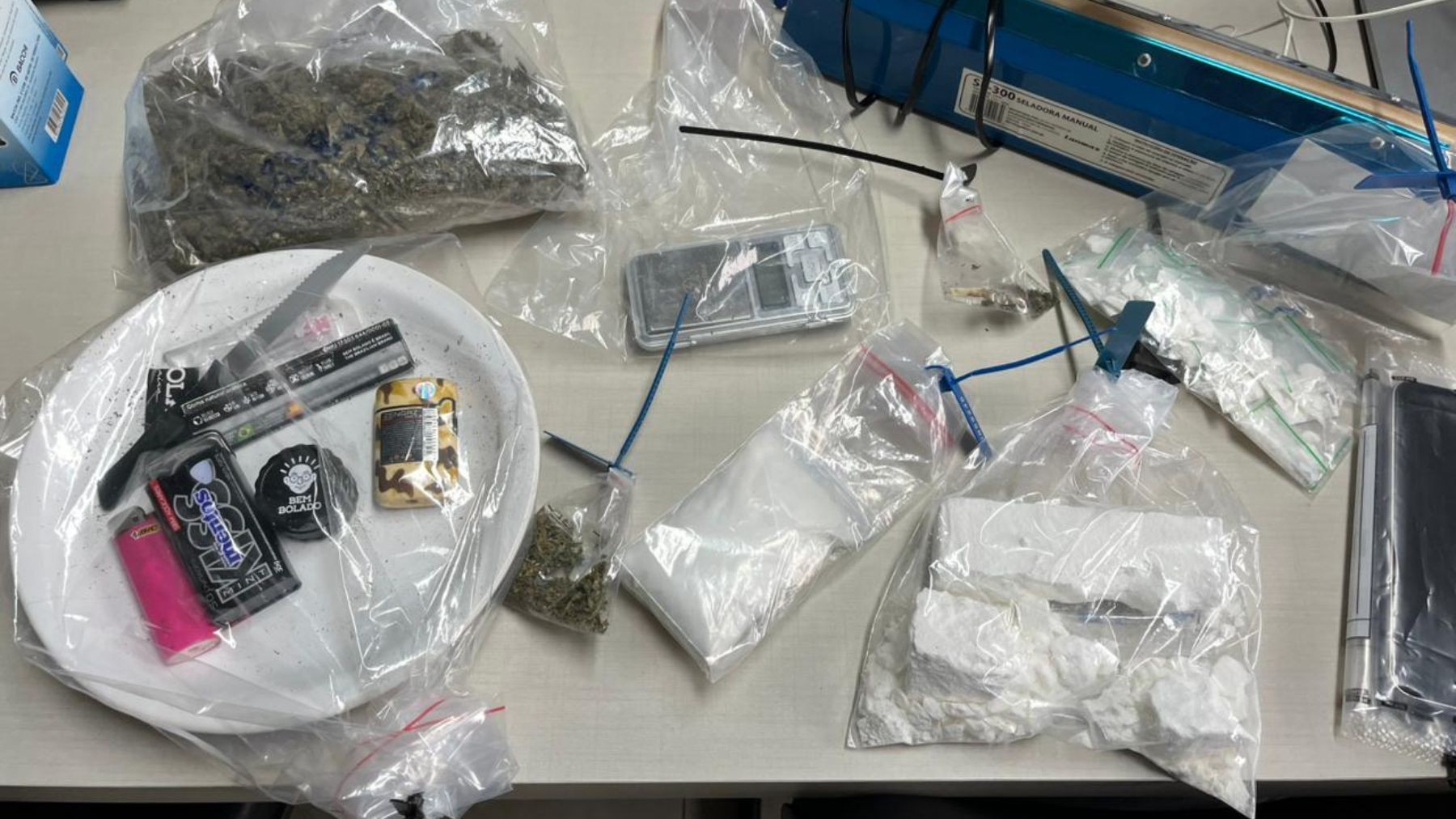
Authorities in Paraná, Brazil, have arrested 11 individuals suspected of belonging to a criminal organization that used a fake food delivery service named 'Top Lanches' to distribute cocaine. The operation, conducted by the Civil Police on Friday, March 3rd, targeted drug trafficking in Toledo, located in the western region of Paraná. The group allegedly received drug orders and used motorcycle couriers to deliver them, creating a facade of legitimacy for their illicit activities. This action is part of the third phase of 'Operation Top Fake,' which involved executing 26 judicial orders, including preventive detentions and search and seizure warrants in Toledo, Cascavel, and surrounding areas. Four search warrants were also executed within the Cascavel State Penitentiary. Among those apprehended is an individual identified as the operational and financial manager of the group, who reportedly handled accounting, established shell companies for money laundering, and reported directly to the organization's leader, who was directing operations from within prison. The arrested suspects were also involved in drug storage and delivery logistics. Additionally, three other men were arrested in flagrante delicto for possessing narcotics. Police seized quantities of cocaine and marijuana, much of it pre-portioned for sale. Approximately 100 Civil Police officers, supported by various other law enforcement agencies, participated in the operation. Investigations, initiated in 2024, are ongoing, with over 50 judicial orders and 35 preventive detentions already executed in connection with the case. The searches within the penitentiary aimed to identify individuals facilitating the entry of contraband, such as cell phones and drugs, into the facility, which allowed the criminal network to continue its operations despite some members being incarcerated.
This operation highlights a sophisticated method of drug distribution, leveraging the convenience of food delivery services to mask illegal activities. The criminal group's use of a legitimate-seeming business, complete with financial management and money laundering schemes, demonstrates a strategic adaptation to law enforcement scrutiny. The involvement of individuals inside a penitentiary underscores the persistent challenges in controlling organized crime from within correctional facilities. Future enforcement strategies may need to focus on disrupting the operational infrastructure and financial networks of such groups, alongside traditional interdiction efforts, to effectively dismantle these evolving criminal enterprises. The case also raises questions about the regulatory oversight of delivery platforms and the potential for their misuse by illicit actors.
AI-generated to prompt reflection — not editorial opinion, not advice, not a statement of fact. How this works.