Police Conclude Investigation into Fire at Historic Church Without Identifying Suspects
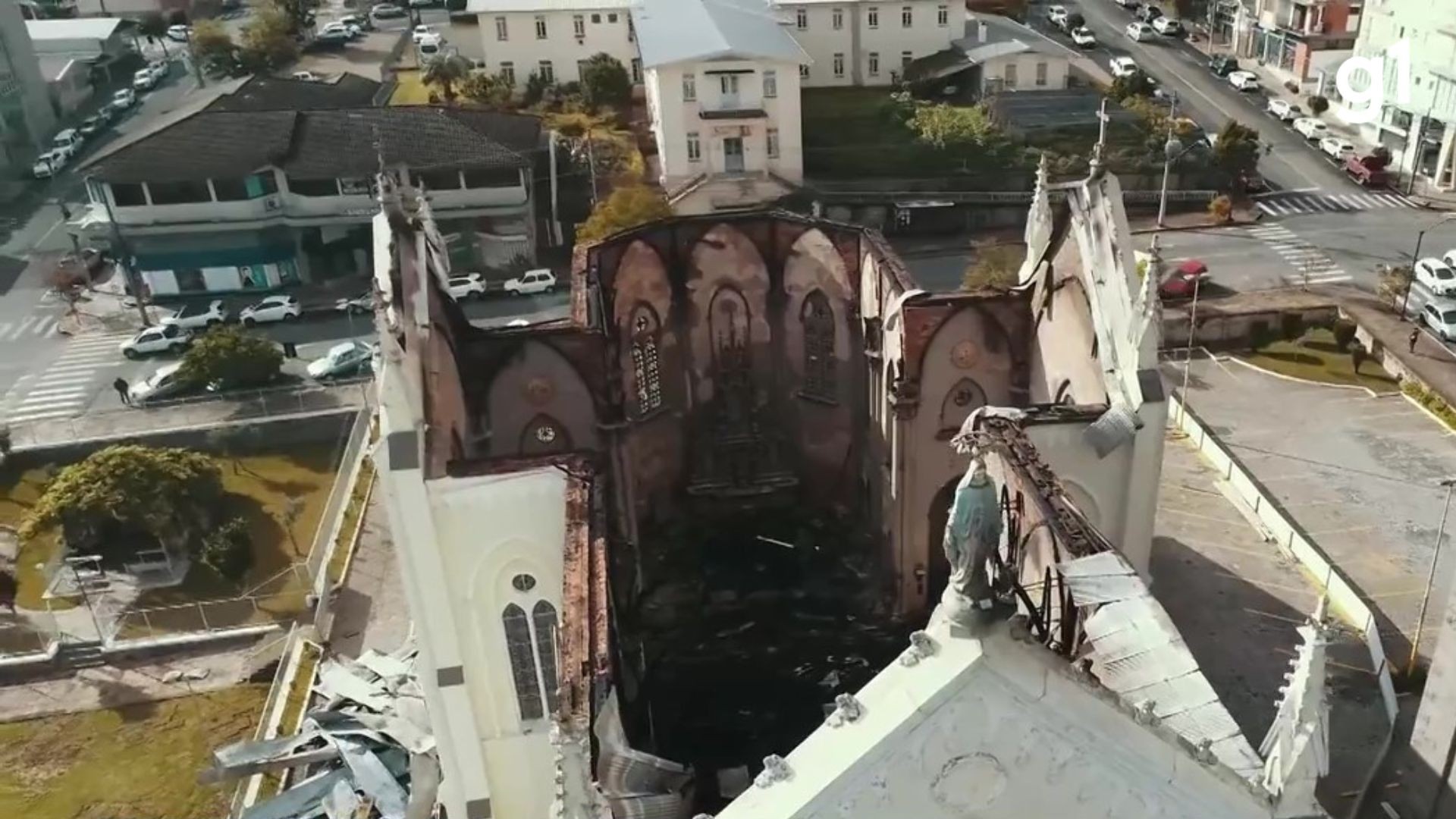
Civil Police in Flores da Cunha, Rio Grande do Sul, have concluded their investigation into the fire that destroyed the roof of the century-old Igreja Matriz Nossa Senhora de Lourdes. The inquiry ended without any suspects being indicted for the blaze that damaged the historic structure, which was built in 1914. Forensic analysis confirmed the fire originated in the ceiling's lining while renovations were underway. Investigators considered potential causes including electrical failure, direct or indirect human action, and effects of the ongoing construction, but could not definitively determine the exact cause based on the evidence found. The hypothesis of arson was ruled out by the experts. The case has now been forwarded for review by the Public Prosecutor's Office and the judiciary. Airton Kraemer, a forensic expert from the General Institute of Perícias (IGP), stated that while an electrical malfunction in the rear section of the church is considered the most probable cause, it could not be unequivocally confirmed. The fire, which occurred on May 25th of this year, rapidly consumed the church's roof but fortunately resulted in no injuries. Delegate Carla Zanetti of the Civil Police confirmed the investigation's closure without assigning blame to any individual. In response to the destruction, local residents and business owners have initiated a fundraising campaign to support the church's reconstruction.
The conclusion of the investigation into the fire at the Igreja Matriz Nossa Senhora de Lourdes, without identifying specific culprits, highlights the challenges in definitively attributing cause in complex incidents involving renovations and potential electrical issues. While arson was ruled out, the inability to pinpoint an exact cause, even with expert opinion leaning towards electrical failure, underscores the importance of robust safety protocols and maintenance, especially for historical structures undergoing modernization. Future efforts in preserving such heritage sites might benefit from enhanced pre-emptive risk assessments and oversight during renovation projects to mitigate unforeseen systemic failures. The community's swift mobilization for reconstruction demonstrates resilience, but the incident also serves as a reminder of the vulnerabilities inherent in aging infrastructure and the ongoing need for investment in preservation and safety standards.
AI-generated to prompt reflection — not editorial opinion, not advice, not a statement of fact. How this works.