Police: Dead dog sent to councilwoman was protest, not threat
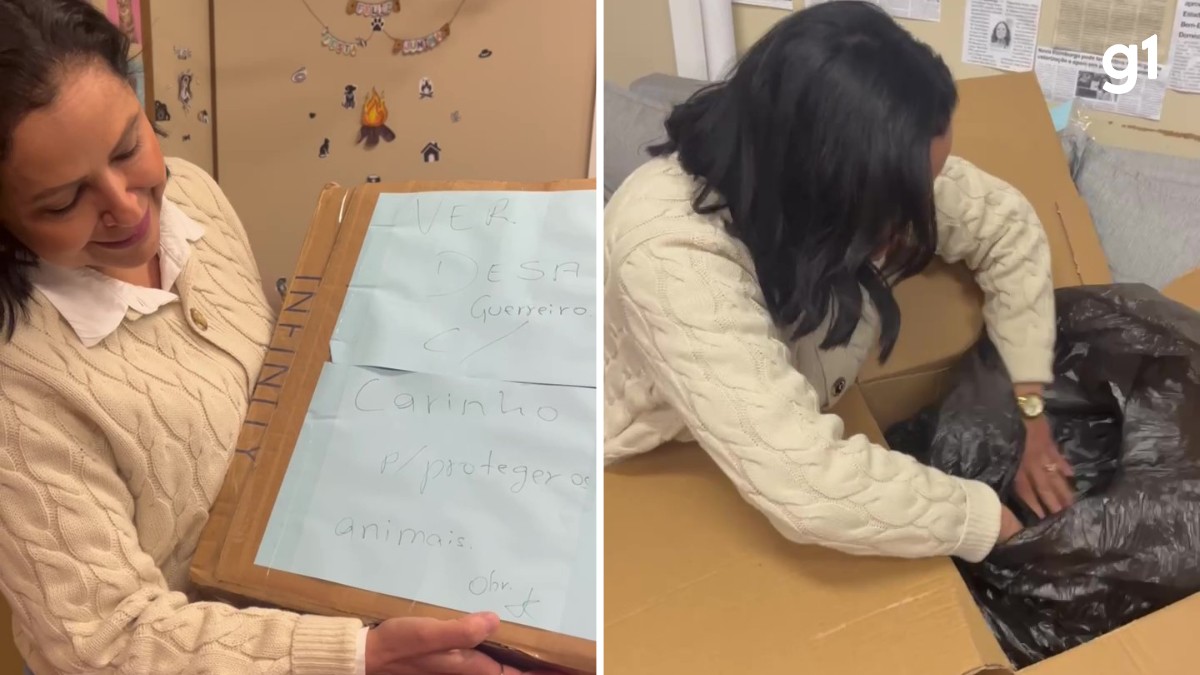
Police in Novo Hamburgo, Rio Grande do Sul, Brazil, have concluded their investigation into a deceased dog sent to animal rights councilwoman Deza Guerreiro (PP). Investigators determined the act was a form of protest rather than a direct threat against the councilwoman. A woman, identified as the dog's owner, has been indicted for real insult, qualified mistreatment of animals, irregular transport of solid waste, and pollution due to improper carcass disposal. The case has been forwarded to the judiciary. According to the police, the owner's pinscher was attacked by community dogs while on a walk. The owner claims she lacked funds for veterinary care after recent personal health expenses. The dog died, and the owner allegedly sent the carcass to the councilwoman to protest what she perceived as public authorities' inaction regarding community dogs, which she stated had previously attacked another neighbor's pet. Councilwoman Guerreiro expressed gratitude for the indictment, calling it a victory for animal welfare and vowing to pursue punishment for the accused. She initially perceived the delivery as a threat and an act of terrorism. The Novo Hamburgo City Council condemned the incident, with its president, Juliano Souto (PL), stating it was an unacceptable act of intimidation. The council is cooperating with the investigation, providing surveillance footage and requesting access to other cameras to identify the perpetrator. Security measures at the council building have been enhanced, and the council emphasizes its zero-tolerance policy for threats and violence within its premises.
This incident highlights the complex intersection of animal welfare advocacy, public policy, and individual expression, even when that expression takes an extreme and disturbing form. The police's determination that the act was a protest, not a direct threat, shifts the legal and public perception of the event. It underscores the challenges faced by public officials who champion controversial or sensitive causes, as they can become focal points for intense public sentiment. The owner's alleged motivation, stemming from perceived governmental inaction on community dog issues, points to a potential breakdown in communication or service delivery between citizens and local authorities. This situation may prompt a review of how public bodies address citizen grievances, particularly those related to animal welfare and public safety, to prevent such escalations. The incident also raises questions about the ethical boundaries of protest and the potential for extreme actions to overshadow the message they intend to convey, potentially hindering rather than advancing the advocate's cause.
AI-generated to prompt reflection — not editorial opinion, not advice, not a statement of fact. How this works.