Police detentions of activists spark dissent concerns in Afghanistan
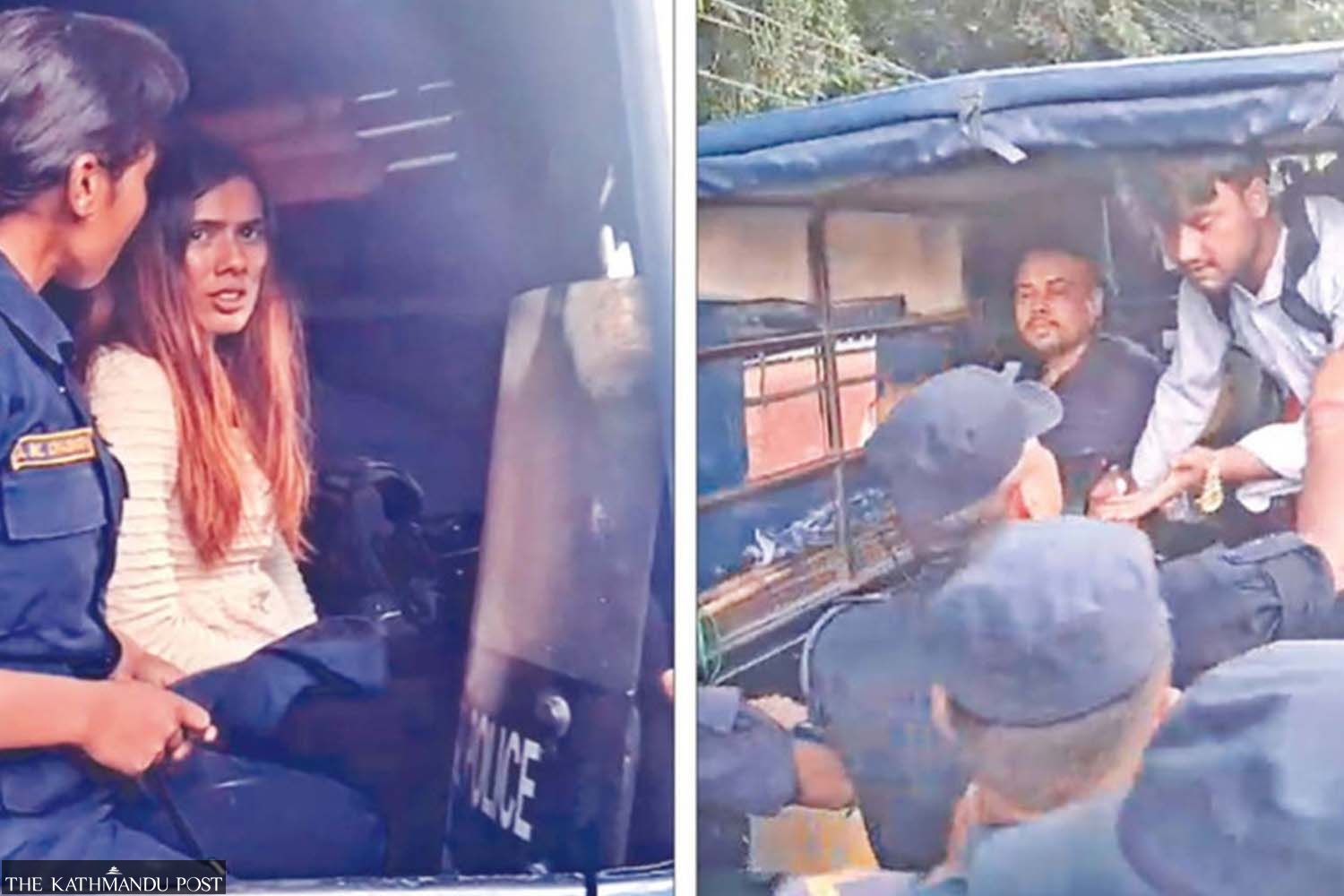
Afghan police actions against activists, including those supporting squatters affected by floods and government critics, have triggered widespread criticism from human rights advocates. The detentions have raised concerns about a shrinking space for dissent within the country. Police officials, however, stated that their actions were solely directed at individuals who were obstructing law enforcement operations. The specific individuals detained and the exact nature of the obstruction were not detailed in the report. Rights groups argue that these detentions represent a broader trend of suppressing critical voices and limiting freedom of expression. The situation highlights the ongoing tension between government control and the right to protest in Afghanistan. Further details regarding the legal basis for the detentions and the specific demands of the activists remain unclear.
The reported detentions of activists in Afghanistan, ostensibly for obstructing law enforcement, warrant examination through the lens of governance and civil liberties. While authorities maintain their actions are procedural, rights advocates perceive a pattern of suppressed dissent. This dynamic raises questions about the balance between maintaining public order and upholding fundamental freedoms of expression and assembly. In the context of evolving global norms and the increasing importance of transparent governance, such actions can impact international perceptions and potentially hinder domestic civic engagement. Future considerations should focus on establishing clear, publicly accessible legal frameworks for protest and detention, ensuring that law enforcement actions are demonstrably impartial and proportionate, thereby fostering a more robust and accountable civil society.
AI-generated to prompt reflection — not editorial opinion, not advice, not a statement of fact. How this works.