Police Discover 'Super Marijuana' Lab in Cariacica, Arrest Woman
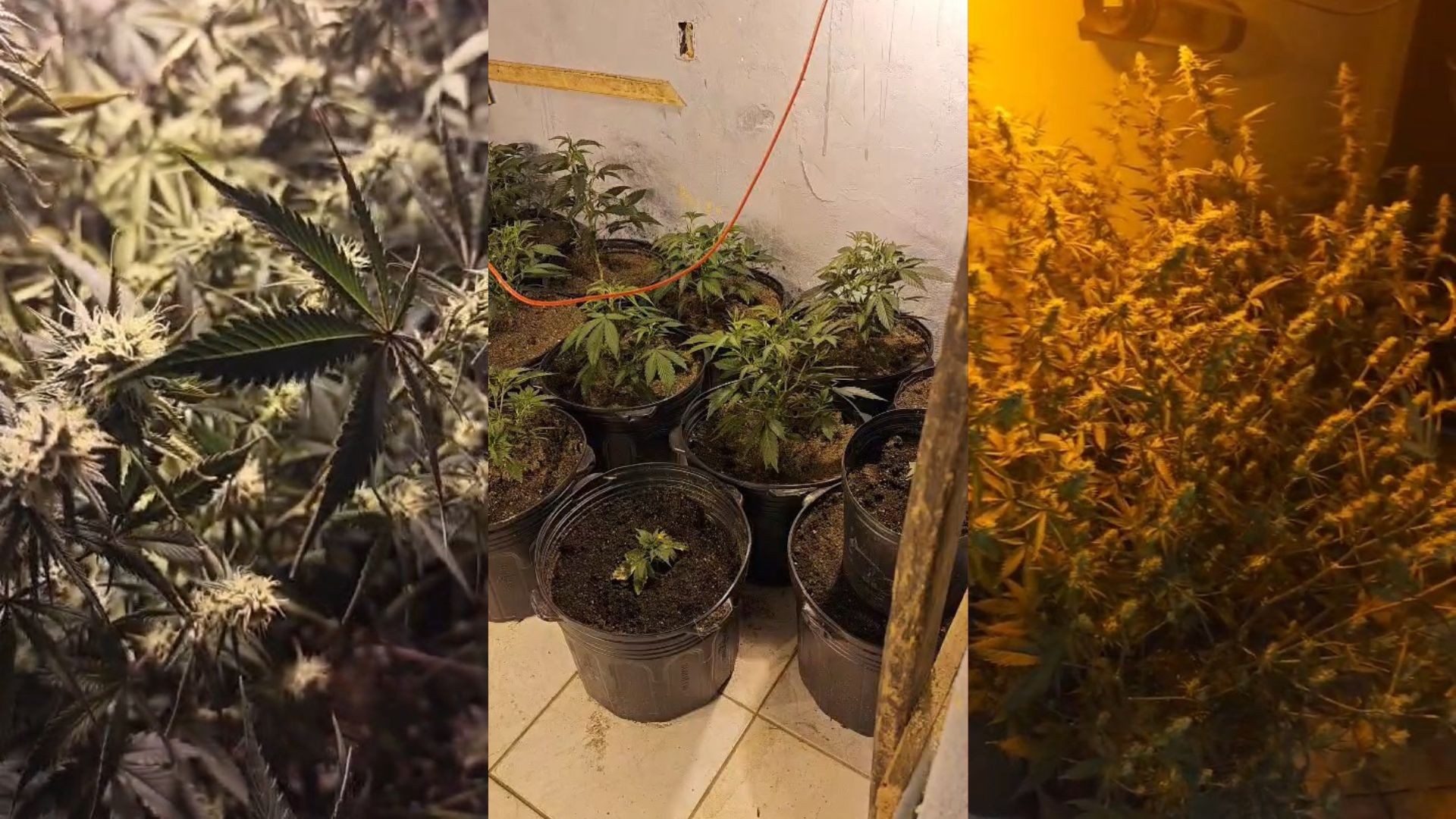
Civil Police in Cariacica, Espírito Santo, Brazil, have dismantled a specialized laboratory for cultivating skunk, a potent strain of marijuana known as 'super marijuana.' A 30-year-old woman was arrested at the scene, where approximately 100 skunk plants, cultivation fertilizers, and 47 cocaine pellets were seized. The clandestine operation was housed in two properties in the Castelo Branco neighborhood, adapted with climate control and lighting systems to maintain an optimal environment for drug production. According to authorities, skunk can be up to ten times more potent than traditional marijuana. The arrested woman, whose name was not disclosed, was not the primary target. Police reported that the intended target was her partner, who was not present during the raid. The woman, aware of and participating in the cultivation, was arrested in flagrante delicto, though she denied knowledge of the lab's existence or her involvement. She faces charges of drug trafficking and criminal association. The duration of the lab's operation is still under investigation, with authorities seeking to identify other involved parties and distribution networks. The discovery was made on Wednesday, May 22nd, during an operation by the Specialized Department of Narcotics (Denarc), following intelligence gathering that indicated the properties were not being used as residences due to sealed windows and a strong odor. Investigators noted the technical expertise employed, including the separation of male and female plants to maximize THC concentration, indicating a sophisticated production process.
This operation highlights the evolving sophistication in illicit drug production, moving beyond simple street-level dealing to highly controlled, specialized cultivation environments. The discovery of a 'super marijuana' lab, employing techniques to maximize THC content, points to a market demand for higher-potency products. The involvement of organized crime factions, such as the Terceiro Comando Puro (TCP), suggests a structured approach to drug manufacturing and distribution, aiming to generate significant revenue. The authorities' focus on dismantling these production hubs is crucial, but the ongoing investigation into distribution networks and other involved individuals underscores the persistent challenge of eradicating the drug trade. Future efforts may need to address not only law enforcement but also demand reduction and the societal factors that drive the market for such substances.
AI-generated to prompt reflection — not editorial opinion, not advice, not a statement of fact. How this works.