Police Dismantle Interstate Ring Specializing in Perfume Store Thefts, Laundering Over R$11 Million
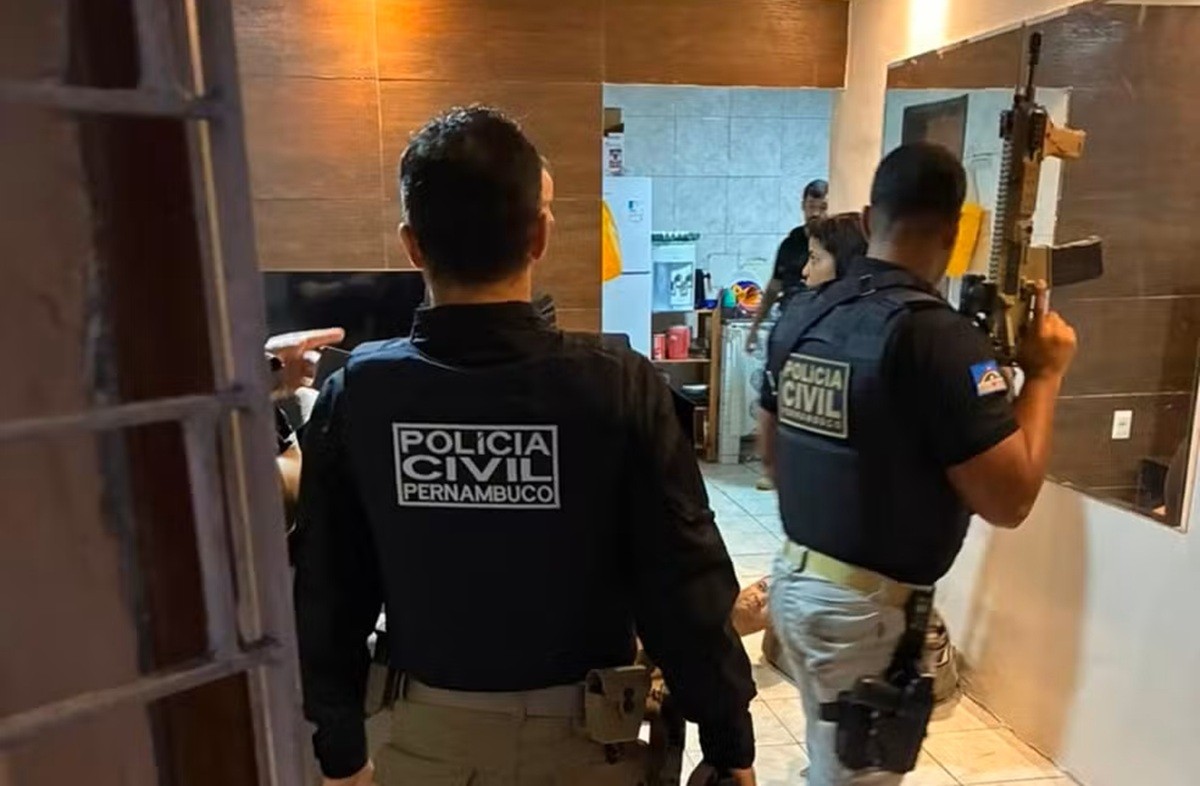
Civil Police in Brazil have dismantled an interstate criminal organization responsible for high-value thefts and money laundering, primarily targeting perfumeries. The operation, dubbed "Fragrância do Crime" (Fragrance of Crime), resulted in the arrest of eleven individuals across four states: Pernambuco, Paraíba, Rio Grande do Norte, and Alagoas. Authorities estimate the group moved over R$11.8 million in just two years through their illicit activities. The estimated direct loss to perfume stores alone amounts to R$2.4 million. Investigations began in October 2025 following a bank break-in in Camaragibe, Greater Recife. The criminal network operated through shell companies, specializing in sophisticated burglaries and subsequent money laundering. The organization was structured into three core units: one for executing qualified thefts by breaking into establishments, another for disabling security systems like power and cameras, and a third for financial operations, including concealing proceeds and reintegrating them into the formal economy. Money laundering techniques included 'smurfing,' which involves breaking down large sums into numerous small deposits to evade financial tracking. While one arrest occurred in Itajaí, Santa Catarina, the majority of operations and arrests were concentrated in the Northeast region. The 19th Criminal Court of Recife authorized eleven arrest warrants, six search and seizure warrants, and asset freezing orders. Police stated there is no suspicion of involvement from employees of the targeted businesses or banks.
This operation highlights the evolving sophistication of organized crime, particularly in leveraging financial infrastructure for illicit gain. The group's multi-state reach and dual focus on physical theft and complex money laundering underscore the challenges faced by law enforcement in tracking cross-border criminal enterprises. The use of shell companies and techniques like smurfing demonstrates an understanding of financial system vulnerabilities, suggesting a need for enhanced regulatory oversight and technological solutions for detecting anomalous transaction patterns. Future efforts may benefit from greater inter-agency data sharing and AI-driven predictive analytics to identify and disrupt such networks before significant financial damage occurs.
AI-generated to prompt reflection — not editorial opinion, not advice, not a statement of fact. How this works.