Police dogs find additional 30 kg of marijuana in car seized six months ago
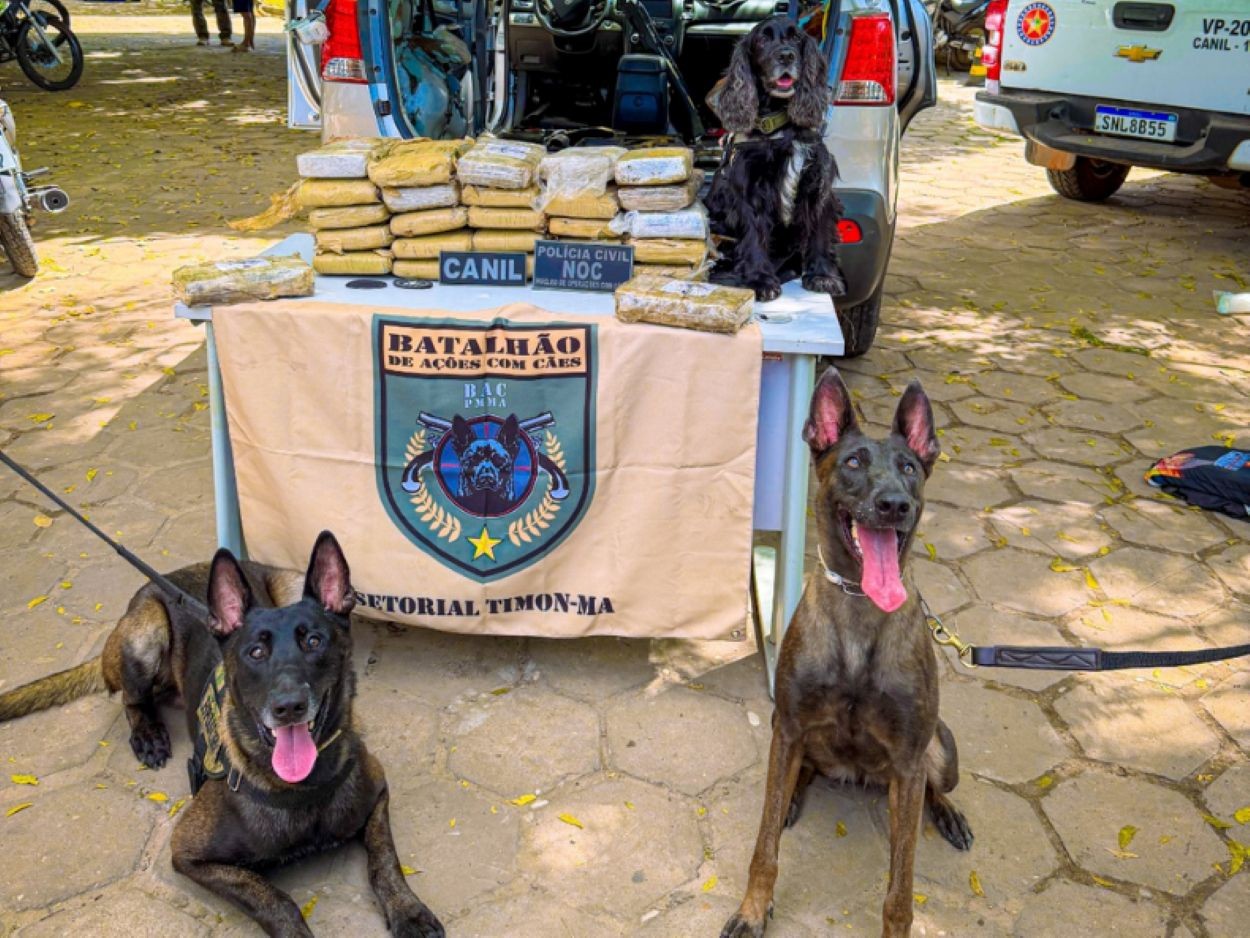
Police in Timon, Maranhão, discovered an additional 30 kilograms of marijuana hidden within a car that had been seized six months prior. The discovery was made on Tuesday, the 7th, after detection dogs indicated the presence of narcotics in the vehicle. The car was originally apprehended in January of this year during an operation in Buriti, Maranhão. At that time, the vehicle was found abandoned near a gas station along the MA-034 highway, with the key in the ignition and a reported theft record. During the initial inspection following its seizure, police found 57 blocks of marijuana, but the dogs continued to signal that more drugs were concealed within the car. The vehicle was subsequently moved to the 11th Military Police Battalion in Timon for a more thorough examination. This time, specialized dogs from the Military Police kennel and the Civil Police's Canine Operations Nucleus (NOC) pinpointed a specific area of the car's body. Upon dismantling a section of the car's casing, officers uncovered the additional 30 kilograms of marijuana in a hidden compartment. Authorities credit the dogs' persistent alerts since the initial seizure for leading to the final discovery of the concealed drugs.
This incident highlights the ongoing challenges in interdicting illicit drug trafficking, even with advanced detection methods. The prolonged period between the initial seizure and the final discovery of the hidden contraband suggests potential gaps in thoroughness during initial forensic examinations or the possibility of sophisticated concealment techniques. The reliance on canine units for subsequent discoveries underscores their critical role in law enforcement's efforts against drug smuggling. Future strategies might benefit from enhanced protocols for vehicle inspections, potentially incorporating more detailed dismantling procedures or advanced scanning technologies, especially when initial canine alerts persist. This situation prompts consideration of how to optimize resource allocation and procedural rigor to ensure comprehensive evidence recovery and disrupt trafficking networks more effectively.
AI-generated to prompt reflection — not editorial opinion, not advice, not a statement of fact. How this works.