Police Explain How to Determine Fault in Intersection Collisions
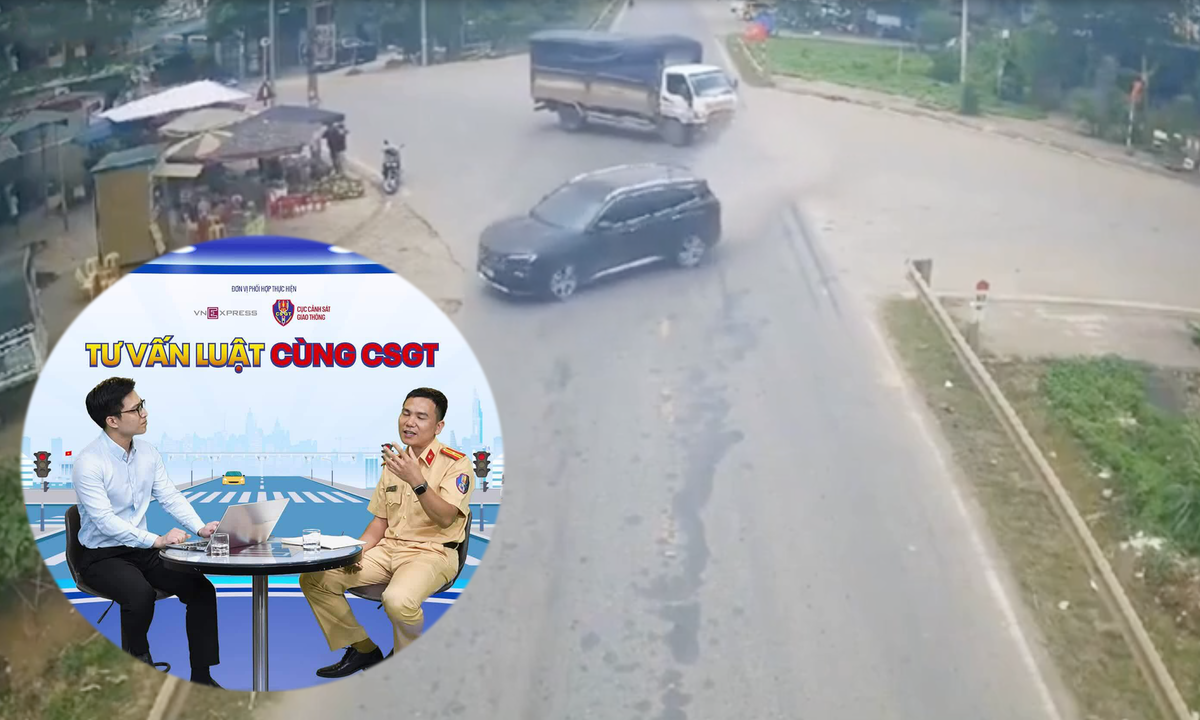
Vietnamese traffic police are providing guidance on how to correctly determine fault in traffic accidents occurring at intersections. The primary principle for assigning responsibility is adherence to right-of-way rules at junctions. Officers emphasize that determining fault also involves evaluating other traffic behaviors, such as speed and lane usage. This clarification aims to help drivers understand the legal framework and common practices when assessing blame in intersection crashes. The guidance is intended to promote safer driving habits and clearer accountability on the roads. By focusing on established traffic laws, the police hope to reduce disputes and improve the efficiency of accident investigations. Drivers are encouraged to familiarize themselves with these principles to navigate intersections more safely and responsibly. The initiative underscores the importance of clear rules and consistent enforcement in maintaining road safety.
This initiative by Vietnamese traffic police addresses the critical need for clear and objective criteria in accident investigation, particularly at complex intersection environments. By emphasizing right-of-way principles and other traffic violations, the police aim to standardize fault determination, potentially reducing disputes and improving road safety outcomes. The focus on established rules, rather than subjective interpretation, aligns with best practices in traffic law enforcement. Looking ahead, integrating advanced data analytics and AI for real-time traffic monitoring and accident reconstruction could further enhance the accuracy and fairness of fault assessment, contributing to a more predictable and safer transportation system in the long term.
AI-generated to prompt reflection — not editorial opinion, not advice, not a statement of fact. How this works.