Police Headquarters: Transfer of Officers at Anti-Corruption Commission is Routine
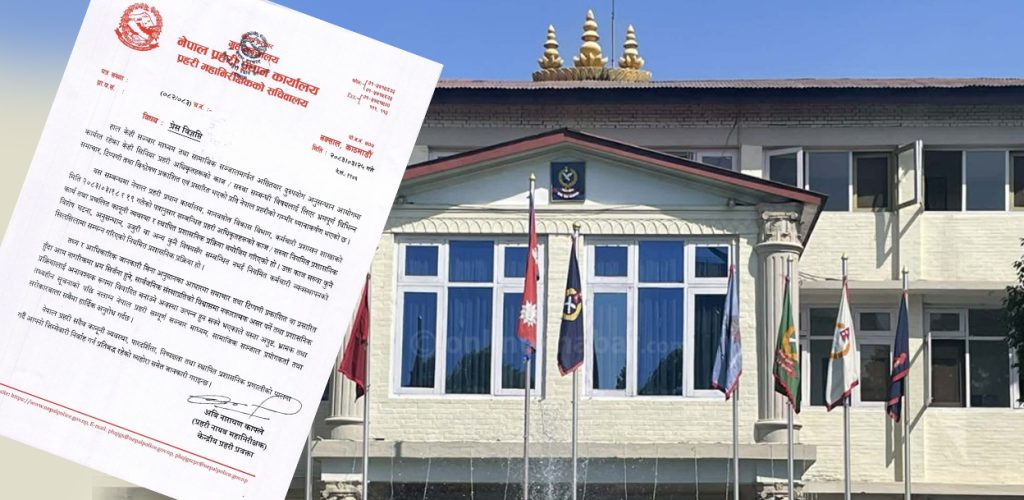
Nepal Police Headquarters has stated that the transfer of police personnel working at the Commission for the Investigation of Abuse of Authority (CIAA) is a regular administrative process. This clarification comes amidst potential scrutiny or questions regarding these personnel movements. The headquarters emphasized that such transfers are part of the normal functioning of police administration. The CIAA is a constitutional body tasked with investigating corruption cases against government officials and public bodies. The police personnel deployed to the commission play a crucial role in its investigative operations. Ensuring the smooth functioning of such an important anti-corruption body often involves periodic administrative adjustments. The statement from Police Headquarters aims to provide transparency and context for these routine personnel changes.
The statement from Nepal Police Headquarters regarding the transfer of officers at the anti-corruption commission frames these actions as standard administrative procedure. This framing suggests an intent to preemptively address any perceptions of undue influence or political interference in the commission's operations. From a governance perspective, regularizing such transfers within established protocols can enhance institutional integrity and operational continuity. However, the effectiveness of anti-corruption bodies is often tested by their independence from political pressures. Therefore, while routine administrative processes are necessary, maintaining the perception and reality of impartiality remains paramount for public trust and the commission's mandate. Future evaluations might consider the long-term impact of such personnel policies on the commission's investigative efficacy and its ability to operate without external bias.
AI-generated to prompt reflection — not editorial opinion, not advice, not a statement of fact. How this works.