Police Identify Hacker Who Displayed Pornography on Public Screens in Ceará City
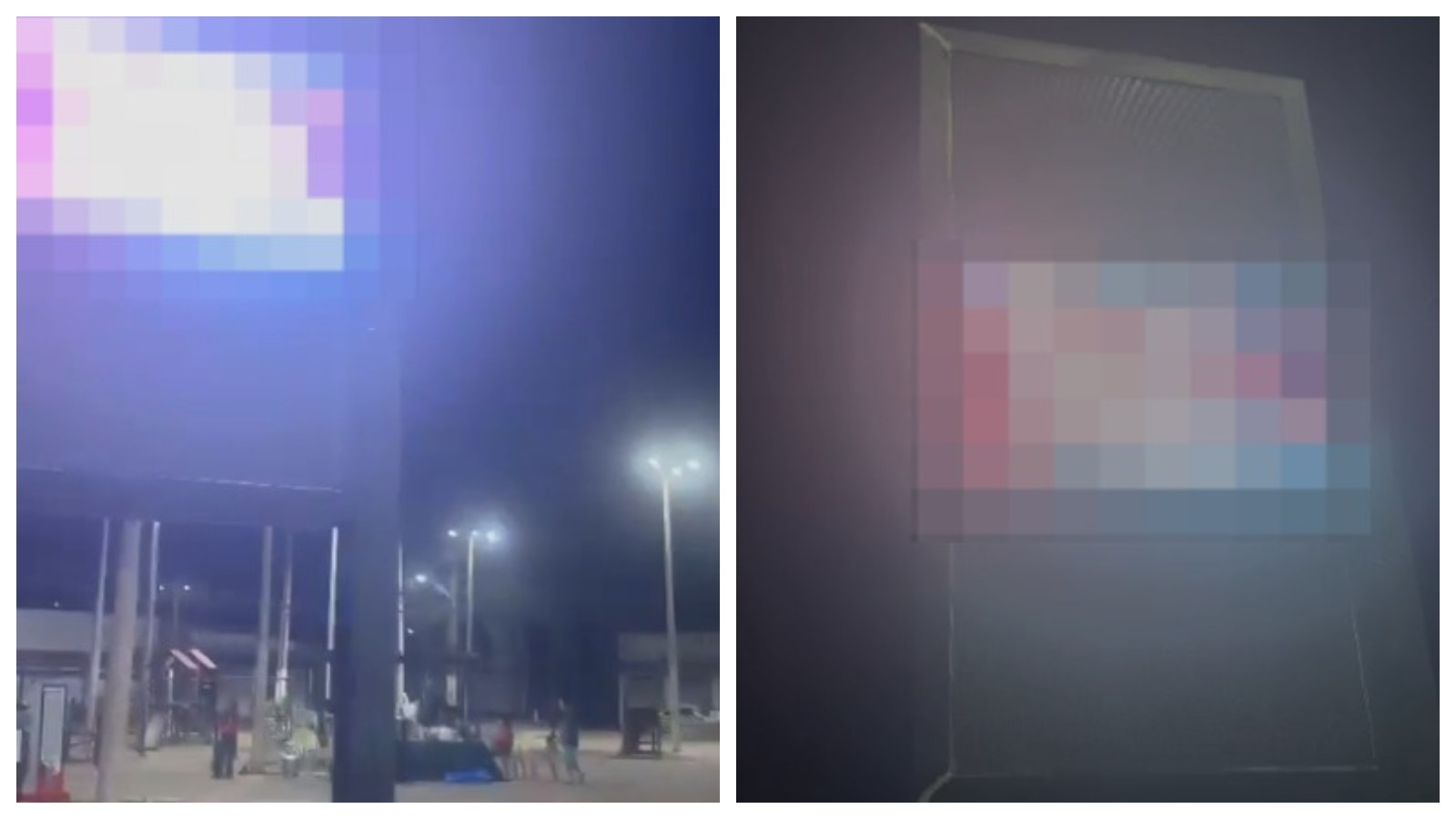
Police in Ubajara, Ceará, have identified a 22-year-old man from Guarujá, São Paulo, as the suspect responsible for hacking public screens in Ubajara's town squares and displaying pornographic videos. The incident occurred on July 21st, disrupting public enjoyment in the squares. Following the event, the municipal government promptly shut down the affected equipment and reported the breach to the authorities. The Civil Police of Ubajara conducted extensive intelligence and cyber investigation work to identify the perpetrator. The suspect will face criminal charges for the cyberattack. The Ubajara police department emphasized their commitment to combating cybercrime, protecting public assets, and maintaining order, ensuring such actions do not go unpunished. The Mayor of Ubajara, Decim Muniz, praised the Civil Police for their swift and efficient investigation, highlighting the security demonstrated by law enforcement in the municipality.
This incident highlights the increasing vulnerability of public digital infrastructure to unauthorized access. While the immediate response focused on identifying and prosecuting the individual perpetrator, a broader systemic perspective is warranted. The ease with which public screens were compromised raises questions about the cybersecurity protocols governing municipal digital assets. Future-proofing such infrastructure against malicious actors will require robust security measures, regular audits, and potentially decentralized control systems to mitigate single points of failure. The incident also underscores the need for enhanced digital literacy and ethical awareness among all users, as technological access can be misused without adequate understanding of its societal impact. Addressing these vulnerabilities proactively is crucial for maintaining public trust and ensuring the secure operation of smart city initiatives in the digital age.
AI-generated to prompt reflection — not editorial opinion, not advice, not a statement of fact. How this works.