Police Inspector Cleared for Psychiatric Hospital Release After Killing Colleagues
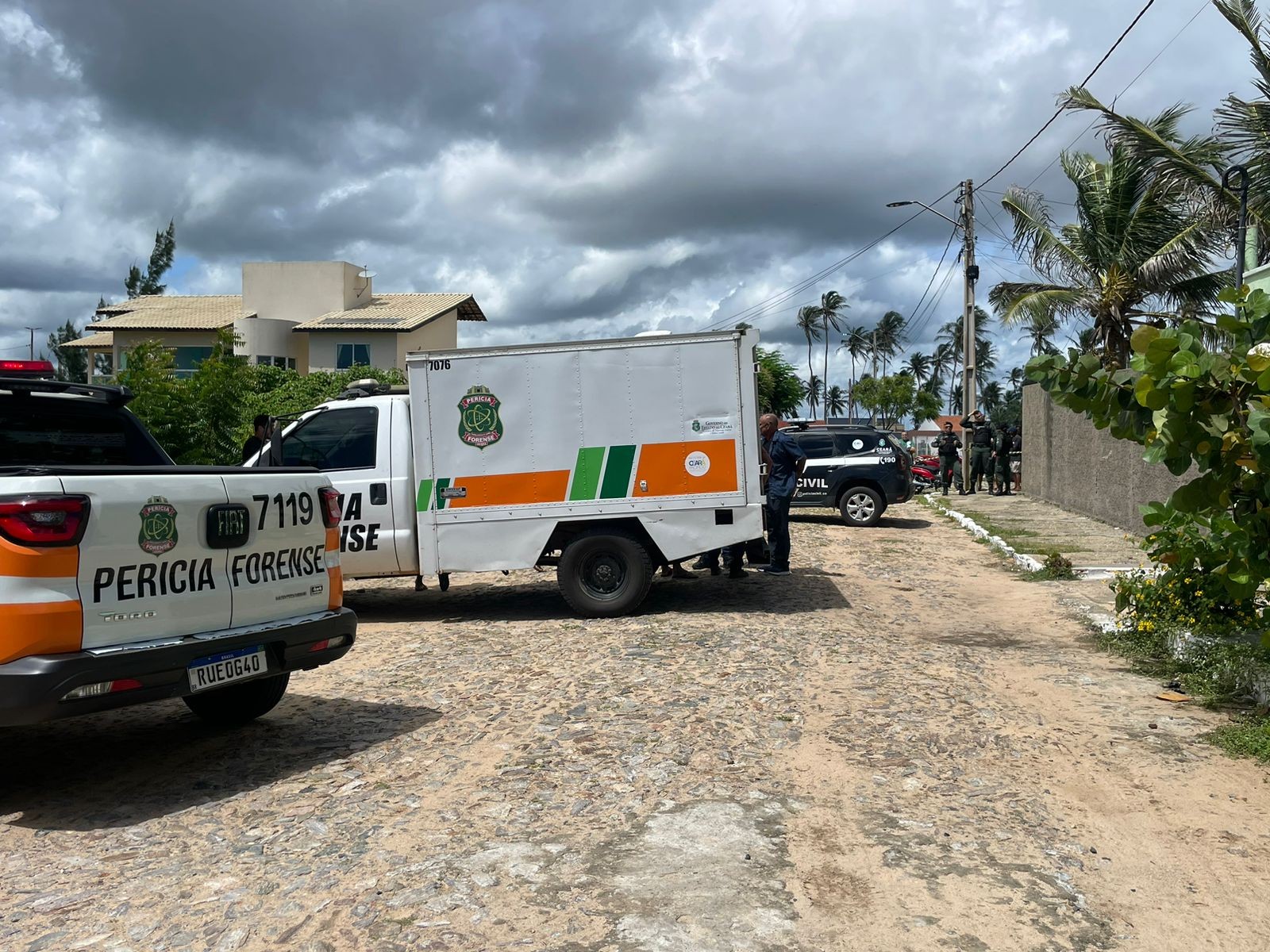
A court in Camocim, Ceará, Brazil, has authorized the psychiatric de-internment of Inspector Antônio Alves Dourado, who is accused of fatally shooting four colleagues at the Camocim Civil Police Station in May 2023. Dourado, who was off-duty at the time, reportedly entered the station and killed three officers inside and one outside before fleeing in a police vehicle. He later surrendered to military police. Initially held in a prison, Dourado allegedly attempted to kill a cellmate. In November 2024, he received a mental insanity diagnosis from forensic experts, rendering him not subject to trial for the killings. His defense stated the diagnosis of schizoaffective disorder, which impairs reality comprehension, was based on expert evaluations. In July 2025, his pre-trial detention was converted to psychiatric hospitalization in Fortaleza. The recent decision allows Dourado to leave the hospital for outpatient treatment at his new residence in Belém, Pará. This ruling was based on two medical reports and multidisciplinary assessments concluding he is not criminally responsible due to severe mental disorder, has shown significant clinical improvement, and no longer requires hospitalization, provided he continues outpatient treatment with medical supervision, medication, and psychosocial support. The Public Prosecutor's Office of Ceará opposed the release, arguing the reports did not fully dismiss his dangerousness, as clinical stability depends on continued treatment. However, the court rejected this, stating that the mere possibility of future treatment abandonment should not justify indefinite hospitalization and that the severity of the alleged crimes does not preclude flexibility in the measure.
This case highlights the complex interplay between the legal system, mental health evaluations, and public safety concerns. The judicial decision to de-intern Dourado, based on expert assessments of clinical improvement and the need for continued outpatient care, prioritizes rehabilitation and reintegration within a supervised framework. However, the Public Prosecutor's Office's objection underscores the inherent tension in managing individuals with severe mental health conditions who have committed violent acts. The legal system must balance the rights of the accused, the need for public protection, and the evolving understanding of mental illness. Future considerations may involve strengthening community-based mental health support systems and refining protocols for assessing and managing risk in outpatient settings to ensure both patient well-being and societal safety.
AI-generated to prompt reflection — not editorial opinion, not advice, not a statement of fact. How this works.