Police Investigate Child Deaths at São Luís Children's Hospital After New Parent Testimonies
The Civil Police of Maranhão, Brazil, is intensifying its investigation into the deaths of children at the Dr. Odorico Amaral de Matos Children's Hospital in São Luís. On Monday, June 20, police took new testimonies from parents of children who died after receiving treatment at the hospital. These accounts are part of five ongoing inquiries examining the circumstances surrounding the deaths and alleged irregularities within the hospital's pediatric Intensive Care Units (ICUs). The primary objective is to determine potential criminal responsibility.
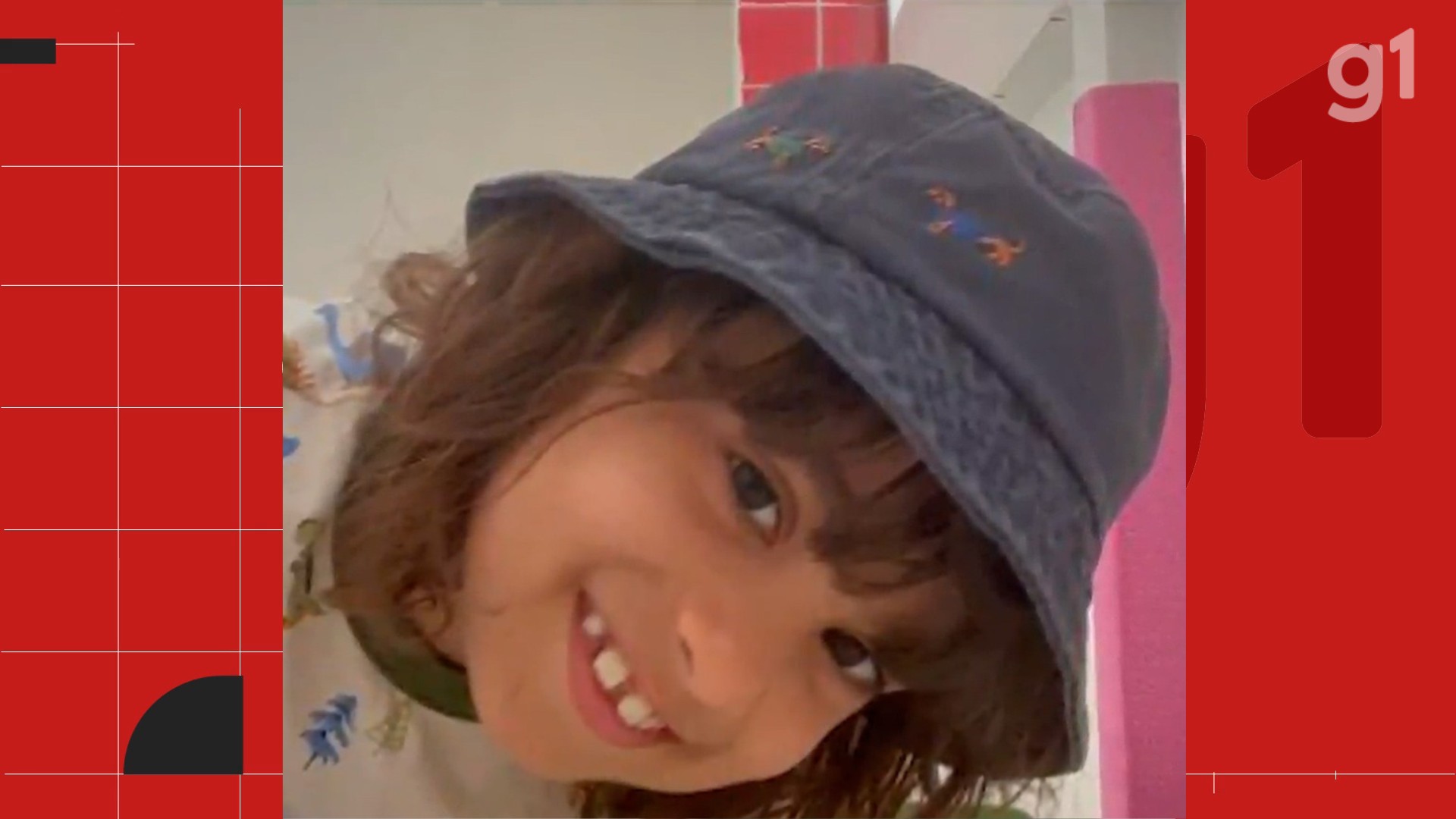
One case involves 7-year-old Nicholas, whose mother, Núbia Carneiro, claims he died due to a series of alleged medical failures and unprepared staff. She reported that doctors suggested the child would die before tests were completed, and a critical tomography scan was not performed in time. Nicholas's father, Arthur Zeeuw, who was abroad, stated that Núbia was prevented from video-calling their son in his final moments. The police have opened a fifth inquiry specifically for Nicholas's death, bringing the total to five investigations.
Other cases under scrutiny include the deaths of 1-year-old Otto, who died from septic shock after 17 days in the hospital for an intestinal infection; 7-year-old Kerliane, who died of respiratory arrest and generalized infection after initially being treated for a leg injury from a fall; and 4-month-old Bernardo. Medical records for Otto, Kerliane, and Bernardo have been submitted for technical analysis. The hospital's director-general and two doctors were previously questioned regarding Bernardo's death, which occurred approximately 30 hours after his twin brother, Bento. The police are examining the procedures followed in both twins' cases.
Separately, a technical note from the Public Defender's Office of Maranhão identified significant irregularities in the hospital's pediatric ICUs. These include a shortage of professionals, a lack of day-shift doctors and technical coordinators, staff lacking required specializations, and insufficient specialized physiotherapists. The report also documented recurring medication shortages, delays in bed allocation, and issues with patient transfers. Some professionals confirmed using less effective alternative treatments due to unavailable medications. The Public Defender's Office has requested medical staff scales, quality indicator reports, and mortality rates, and has called for internal investigations by the hospital and the Municipal Health Secretariat, as well as involvement from the State Committee for the Prevention of Maternal and Child Mortality. The information has also been forwarded to the Public Prosecutor's Office and relevant professional medical councils. An agreement mediated by the Public Prosecutor's Office has extended medical services in the pediatric ICUs for an additional 60 days.
The ongoing police investigations and the Public Defender's Office report highlight systemic issues within the pediatric intensive care units of the Dr. Odorico Amaral de Matos Children's Hospital. The alleged failures, ranging from staffing shortages and lack of specialized personnel to medication scarcity and procedural lapses, suggest potential governance and resource allocation challenges. These factors, if substantiated, could create an environment where patient safety is compromised, irrespective of individual staff intent. Moving forward, a critical examination of the hospital's operational protocols, regulatory compliance with Anvisa standards, and the adequacy of public health funding for specialized pediatric care is warranted. The long-term implications for child mortality rates and public trust in healthcare institutions will depend on transparent accountability and robust reforms addressing these structural deficiencies.
AI-generated to prompt reflection — not editorial opinion, not advice, not a statement of fact. How this works.