Police Investigate Child's Death, Questioning Witnesses and Seeking International Records
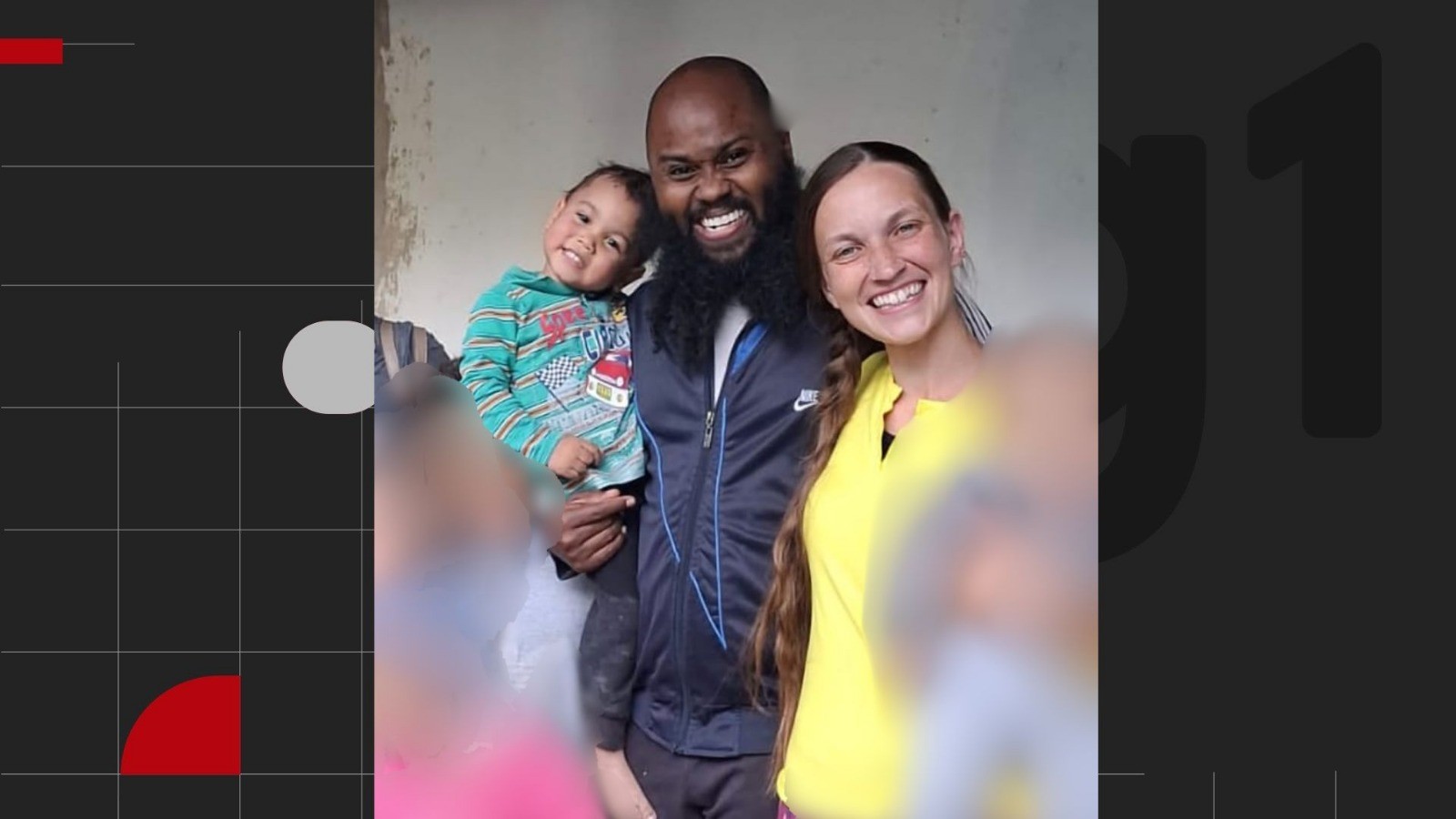
Authorities in Viamão, Brazil, are investigating the death of 3-year-old Oliver Golden Grayson, who died after being severely beaten by his father, American missionary Dandre Jermaine Grayson. The Civil Police have interviewed eight witnesses, including neighbors, child welfare officials, and healthcare professionals who attended to the family's children. The father, who confessed to the assault, and the mother, Mayanna Angelina Rodgers, are both in preventive detention. Police are examining potential failures in the child protection network in Viamão, as there are indications that the mother may also have been a victim of domestic violence. Oliver's four siblings, aged 1 to 9, are in a protective shelter and have also shown signs of abuse, with one child reporting bite marks attributed to their father and expressing fear of him. The mother's defense claims she was a victim of domestic violence and has requested to identify the child's body and attend the burial. The family had been monitored by child protection services in São Paulo and Santa Catarina prior to moving to Viamão eight months ago. The father is accused of beating Oliver with punches and slamming his head on the floor because the child did not say "good morning." The boy died on July 8th after being hospitalized in critical condition. The mother was arrested on July 9th for omission, with her defense asserting her victim status and vulnerability. The MP has requested Interpol's assistance to ascertain the father's history.
This case highlights critical systemic failures within child protection services, raising questions about inter-state and international cooperation in monitoring at-risk families. The investigation into potential lapses in Viamão's protection network, alongside inquiries into the father's history via Interpol, underscores the challenges in identifying and intervening effectively in cases of severe domestic abuse. The mother's dual status as both potentially complicit and a victim of domestic violence presents a complex legal and social dilemma, emphasizing the need for nuanced approaches that address the cycle of abuse. Future policy considerations might include enhanced data sharing protocols between different jurisdictions and improved training for frontline workers to recognize and respond to subtle indicators of abuse and coercive control, especially within transient populations or those with international ties.
AI-generated to prompt reflection — not editorial opinion, not advice, not a statement of fact. How this works.