Police Investigate Expired Supplies Found at Birigui Social Assistance Centers
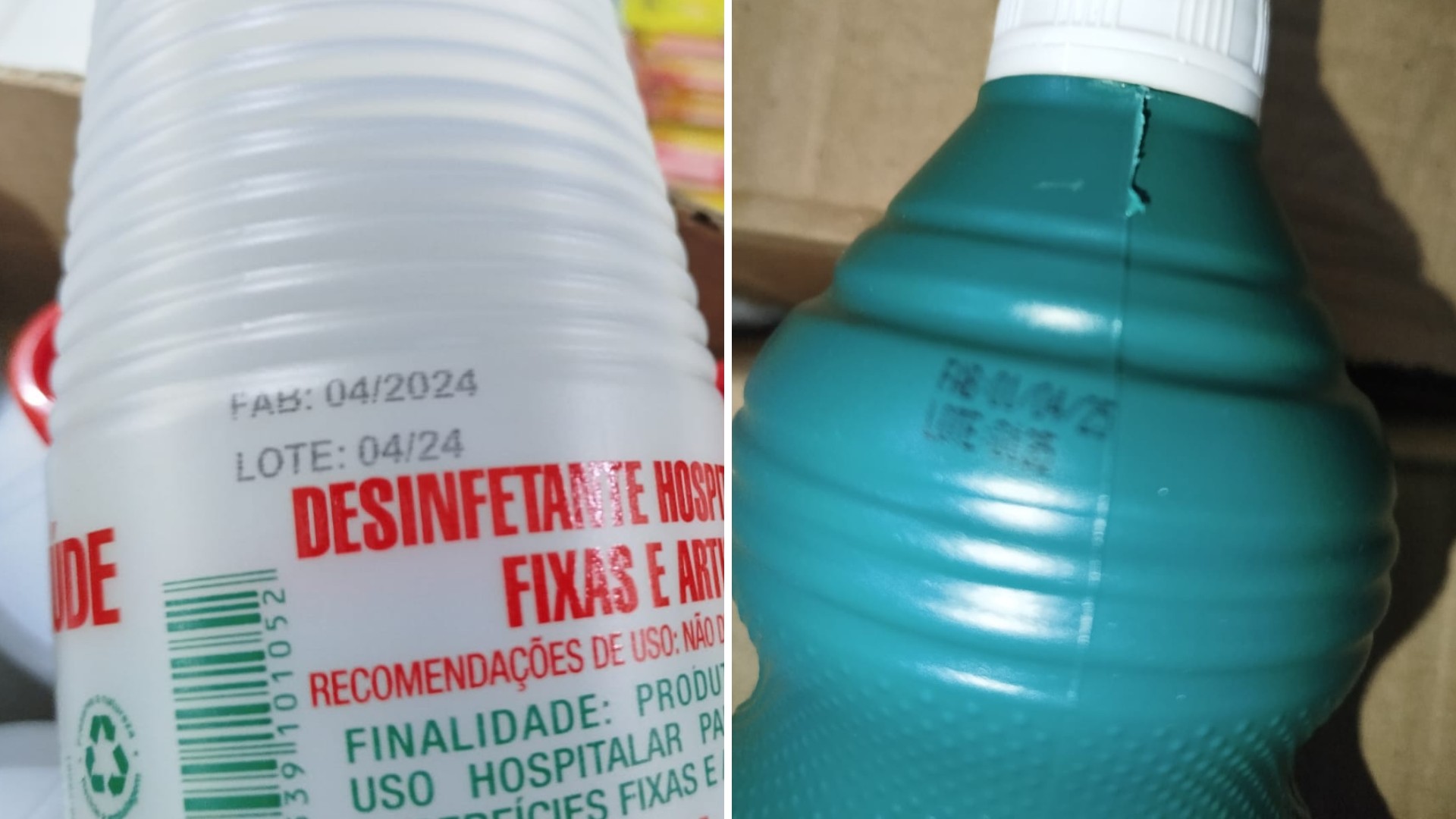
The Civil Police in Birigui, São Paulo, are investigating the discovery of expired materials at two facilities managed by the Municipal Secretariat of Social Assistance. The findings occurred during a inspection on Wednesday, November 1st. The seized items, including pedagogical and cleaning supplies from the Childcare Center (CAC) and personal hygiene and protection products from the Social Assistance Reference Center (Cras I), will undergo forensic analysis to determine if they were unfit for use or posed risks.
Initial reports suggest the expired goods may have been acquired with public funds. The CAC, located in Vila Bandeirantes, contained expired items like modeling clay, markers, glue, paint, and hand sanitizer. At Cras I in the Quemil neighborhood, police found expired cleaning agents, disinfectants, insecticides, and surgical masks.
The ongoing police inquiry aims to identify who was responsible for the acquisition, storage, distribution, and potential use of these expired materials, as well as to ascertain any financial loss to public funds or risks to the population. The Birigui City Hall stated that the discovered items were not food and were not part of recent acquisitions by the current administration. Nevertheless, the city government has initiated its own investigation, with the Secretariat of Social Assistance referring the case to the Municipal General Ombudsman's Office to examine how the materials remained in storage and if there were any inventory control failures.
This incident highlights potential systemic weaknesses in public sector inventory management and oversight, particularly concerning the procurement and distribution of essential supplies. The discovery of expired goods, regardless of their nature, raises questions about accountability and the efficiency of resource allocation. Future-proofing such systems requires robust tracking mechanisms, regular audits, and clear protocols for managing stock rotation and disposal. Examining the incentive structures for public officials responsible for these processes, alongside the technological infrastructure available for inventory control, can reveal opportunities for enhanced transparency and prevent the recurrence of such issues, ensuring public funds are utilized effectively and citizen well-being is prioritized.
AI-generated to prompt reflection — not editorial opinion, not advice, not a statement of fact. How this works.