Police Investigate if Reporter Caíque Verli's Death Linked to Seizure Crisis
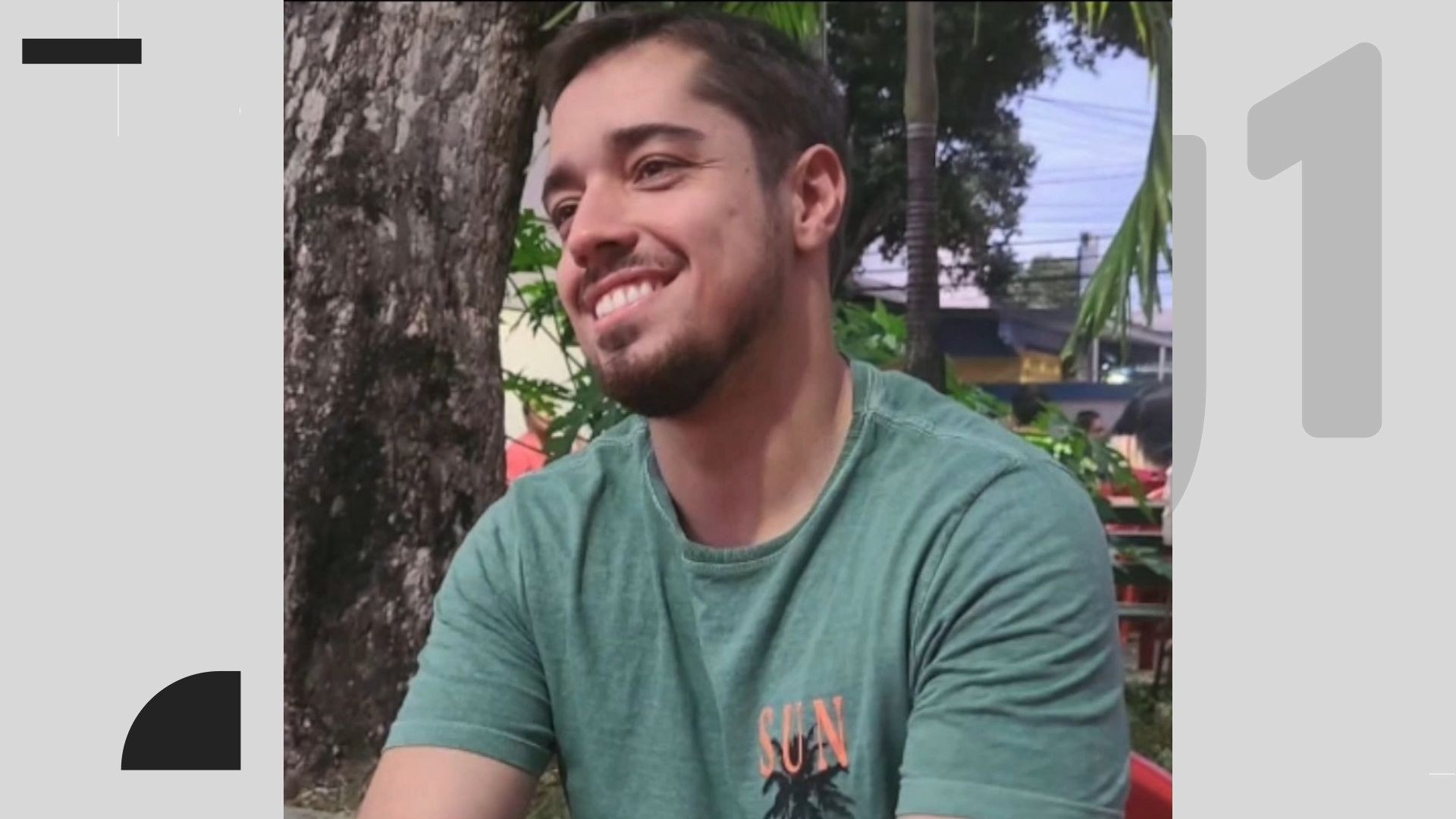
Authorities in Espírito Santo, Brazil, are investigating the death of 33-year-old TV Gazeta reporter Caíque Verli, who was found deceased in his apartment on Thursday, May 23rd. Initial findings by the Civil Police suggest his death may be related to a seizure crisis, indicating a natural cause due to health issues. Verli had a documented history of seizures and had recently begun treatment with medication and undergone further examinations to understand the underlying causes.
The definitive cause of death awaits the results of forensic examinations, and his body has been sent to the Medical-Legal Institute (IML) for an autopsy. His funeral services will be held in his hometown of Carangola, Minas Gerais. Colleagues became concerned when Verli did not arrive for work at his usual early hour and, after failing to reach him by phone, visited his residence. They found him on the floor near his bed and called emergency services. Security footage shows Verli arriving home alone the previous afternoon. Colleagues and management at TV Gazeta remembered Verli as a dedicated, cheerful, and well-respected journalist, particularly noted for his work in public security reporting. The Rede Gazeta issued a statement expressing deep sorrow and solidarity with his family and colleagues, pledging to honor his memory through continued journalism.
The investigation into reporter Caíque Verli's passing, exploring a potential link to a seizure crisis, highlights the critical intersection of personal health and professional life. The circumstances underscore the importance of robust support systems for journalists, who often face demanding schedules and stressful environments. While the immediate focus is on determining the cause of death, the situation also prompts reflection on how media organizations can better support employee well-being, particularly for those managing chronic health conditions. Future considerations might include enhanced health monitoring protocols and accessible resources to mitigate risks associated with such conditions in high-pressure professions.
AI-generated to prompt reflection — not editorial opinion, not advice, not a statement of fact. How this works.