Police Investigate Suspicious Death of Woman Found Under Train Overpass in Greater São Paulo
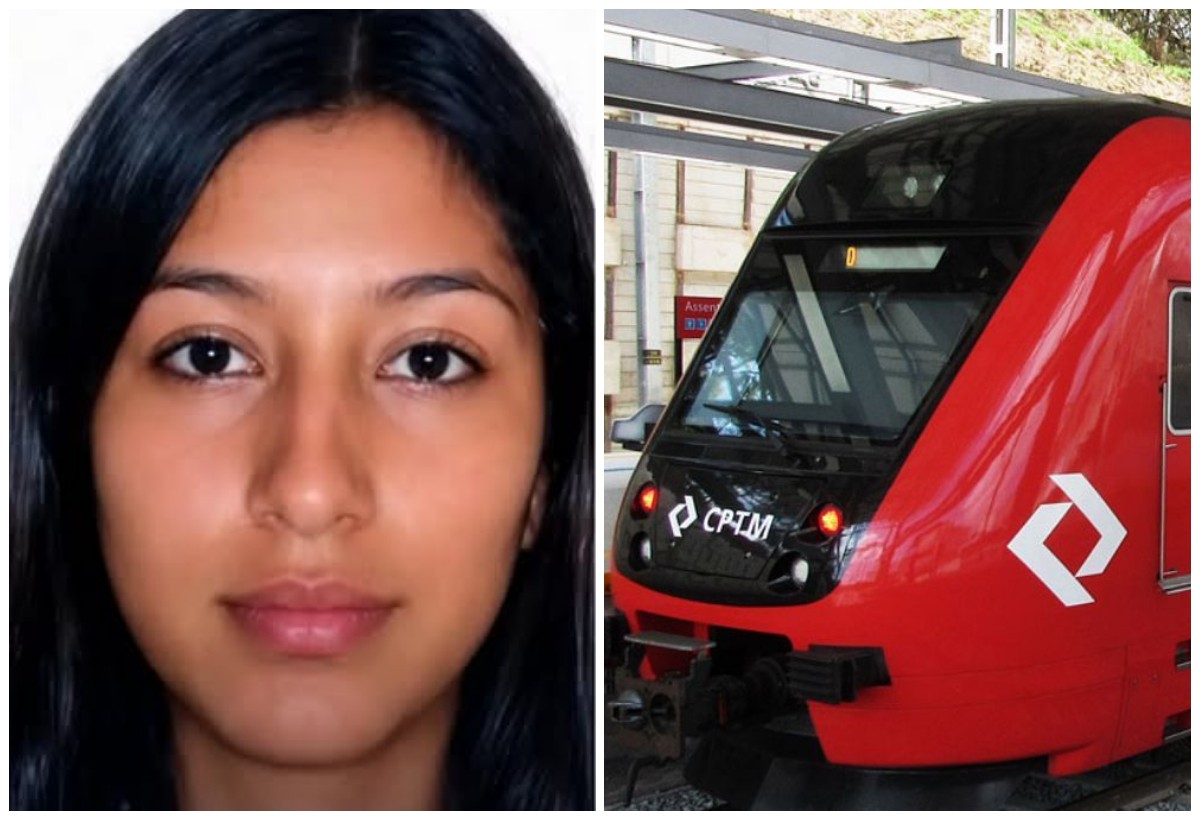
Authorities are investigating the death of Monize Carolina Souza dos Santos, 31, whose body was discovered on the morning of July 21st beneath a pedestrian overpass along the CPTM railway line in Rio Grande da Serra, part of the Greater São Paulo metropolitan area. Police found her body showing signs of having been dragged approximately five meters, with bloodstains along the path. Initially reported as a possible train accident, investigators are awaiting forensic reports to determine if she was struck by a train operated by CPTM or MRS Logistics. A Mobile Emergency Care Service (Samu) team confirmed her death, noting a wound on the back of her ear. Personal documents, including her ID and bank statement, were found near the body, aiding in her identification. The area is known for illegal drug activity, and police noted the victim was known in the community as a drug user with prior police records. A missing person report had been filed for Monize, and her sister confirmed she struggled with chemical dependency, having recently left a rehabilitation clinic. The case is being treated as a suspicious death with questions regarding potential suicide, and also as a missing person case. The local police department is handling the investigation, pending the results of necropsy and toxicology examinations.
This incident, involving the discovery of a deceased individual near railway infrastructure, highlights the complex interplay of personal struggles and public safety concerns. The investigation's focus on determining the cause of death—whether accidental, intentional, or foul play—underscores the critical role of forensic science in resolving ambiguous circumstances. The mention of the area's association with illegal drug activity and the victim's known substance dependency introduces socio-economic factors that may influence the investigation's trajectory and the broader community's safety. Moving forward, understanding the systemic factors contributing to vulnerability in such environments, including access to mental health and addiction services, will be crucial for preventing future tragedies and ensuring public well-being around transportation corridors.
AI-generated to prompt reflection — not editorial opinion, not advice, not a statement of fact. How this works.