Police Lieutenant Monitored for 4 Months Before Fatal Shooting in São Paulo
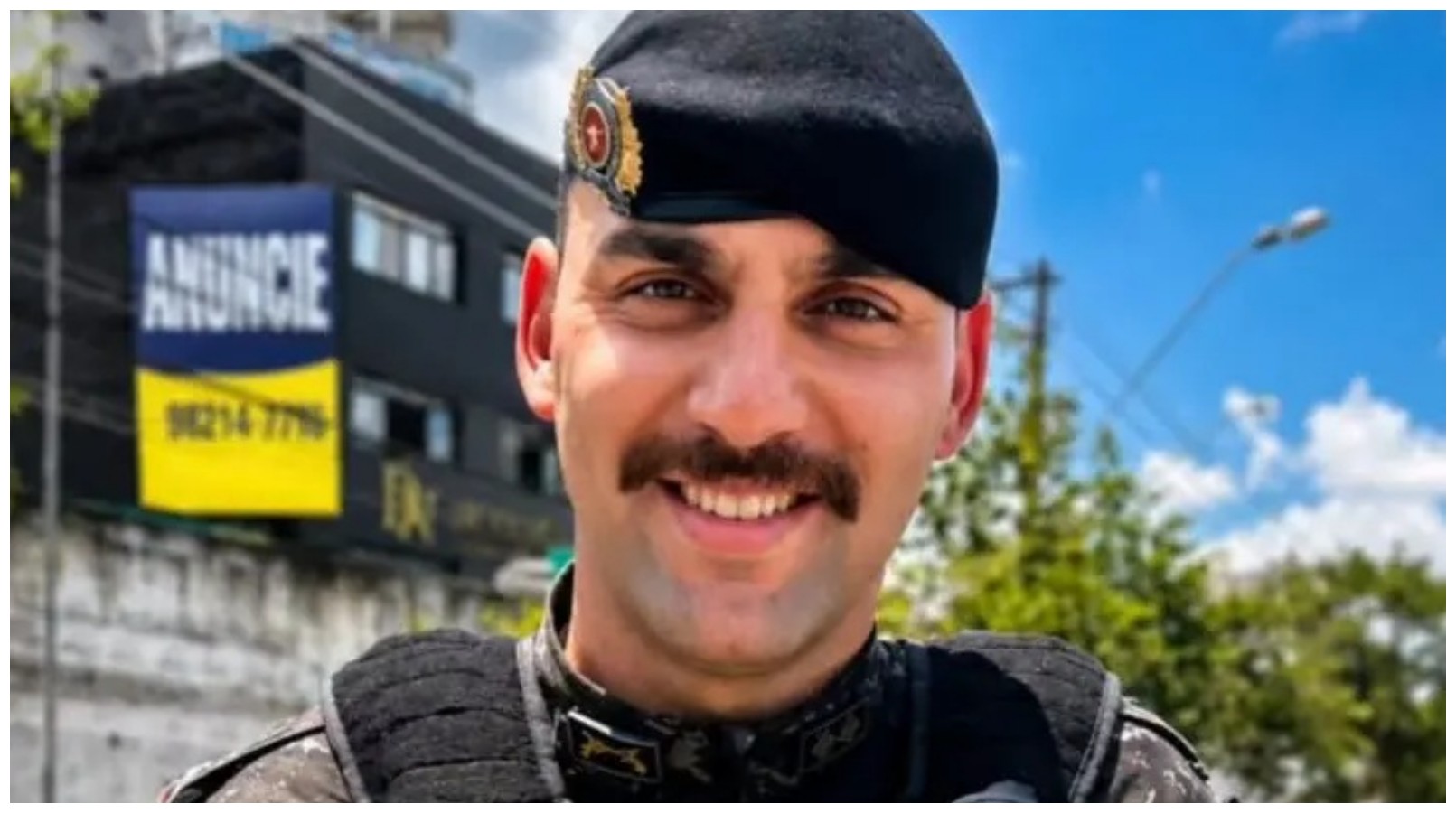
A police lieutenant from the Rota (Rondas Ostensivas Tobias de Aguiar) unit, Ronickson Pimentel, was allegedly monitored by criminals for four months before being fatally shot on May 27th. Data from São Caetano do Sul's monitoring system, Smart Sanca, revealed that the white Logan car used in the crime passed by 96 addresses linked to the lieutenant's routine, including his home and gym. The vehicle was recorded 14 times on Avenida Goiás, the site of the attack, between February 14th and May 22nd. The monitoring system, which integrates public and private cameras with facial recognition and license plate reading, helped identify the getaway car. The lieutenant was ambushed while stopped at a traffic light on his motorcycle, wearing civilian clothes, and was shot in the head. The investigation has identified a suspect responsible for the shooting, but they have not yet been apprehended. The Logan was found and seized in Guianases, São Paulo, by the Department of Homicides and Personal Protection (DHPP). The motorcycle used in the attack was stolen in March and fitted with a cloned license plate from Rio de Janeiro. Two suspects providing logistical support were arrested in Guianases, with one confessing involvement. Lieutenant Pimentel, brother of Eloá Pimentel who was infamously murdered in 2008, remains hospitalized at Hospital Estadual Mário Covas in Santo André. He underwent brain surgery and, as of recent reports, showed positive signs of recovery, with stable hemodynamics and adequate organ function, though his condition is considered grave and recovery is slow but expected.
The extensive monitoring of Lieutenant Ronickson Pimentel prior to his assassination highlights a sophisticated level of pre-meditation and intelligence gathering by criminal actors. The use of public and private surveillance systems, combined with the identification and tracking of vehicles, suggests a capability that challenges conventional law enforcement's ability to preempt such targeted attacks. This incident underscores the evolving tactics of organized crime, which can leverage technology and detailed personal routines to execute high-profile assaults. Future security strategies may need to incorporate more proactive threat assessment based on patterns of surveillance, rather than solely reactive responses, to mitigate the risk posed by such meticulously planned criminal actions within urban environments.
AI-generated to prompt reflection — not editorial opinion, not advice, not a statement of fact. How this works.