Police Officer Restrains Protester with Chokehold During Demonstration in Recife
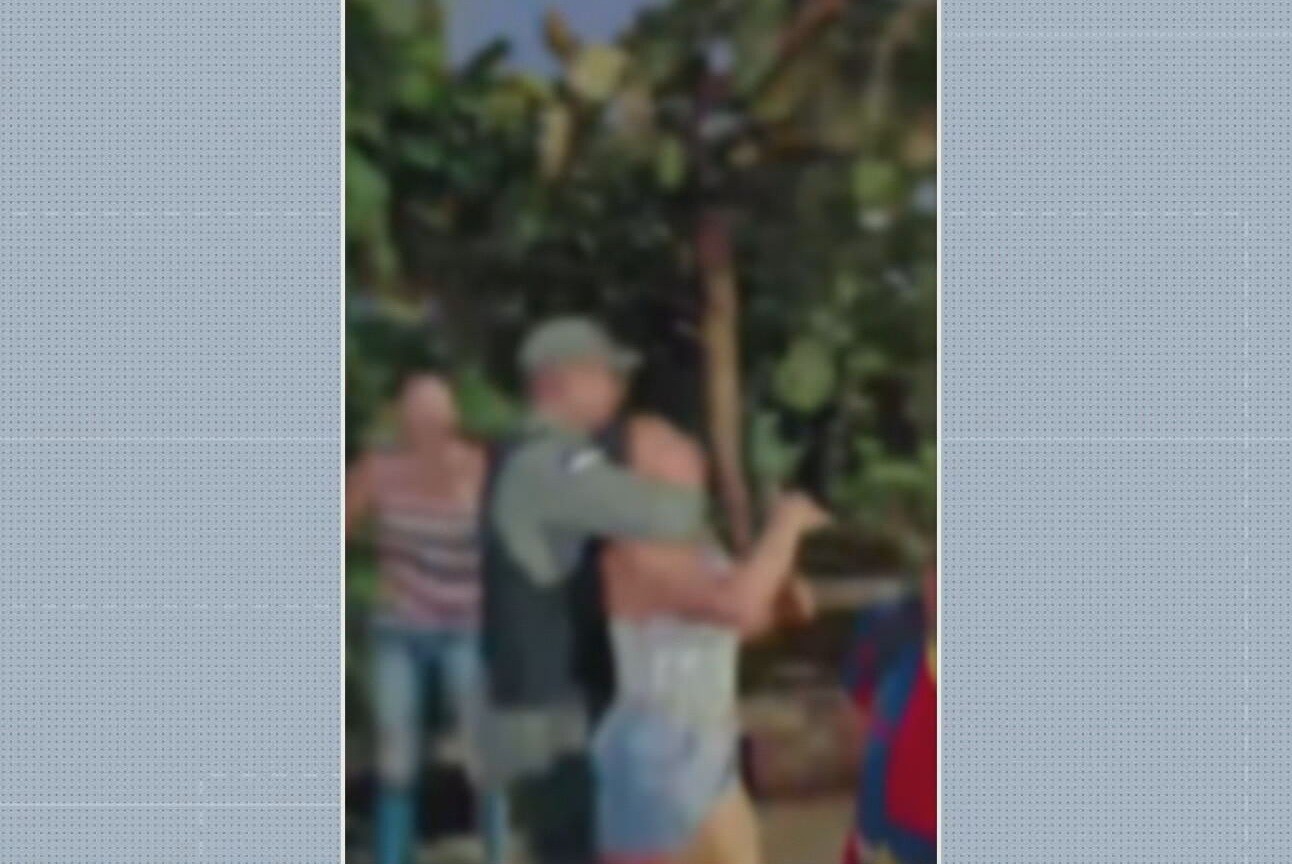
A military police officer in Recife, Brazil, was filmed using excessive force against a female protester during a demonstration on Wednesday, May 8th. The footage shows the officer striking the woman and then applying a chokehold, commonly known as a 'mata-leão,' to immobilize her. The protest took place on the Marechal Castelo Branco Bridge, also known as Ponte da Caxangá, in the western zone of Recife. Demonstrators were demanding the state government of Pernambuco disburse a promised emergency aid payment of R$ 2,500 to families affected by recent floods that devastated 27 cities and led to a state of emergency. The woman, who chose to remain anonymous, stated the protest was peaceful and in dialogue with police until the aggression occurred. She explained she was holding a gasoline canister to prevent its use when the officer approached her from behind, struck her, and applied the chokehold. She reported being unable to speak or react and was then ordered to be arrested. Other protesters were subjected to pepper spray, and one man was detained without resistance. The woman described the incident as an abuse of authority, emphasizing that no one at the protest acted aggressively or disobeyed police orders. She highlighted that police officers should not strike women and expressed her indignation at being assaulted without cause. She further explained her urgent need for the state aid, as she is the mother of an autistic child and lost all her belongings in the flood, receiving no support. The TV Globo news outlet sought comment from the Military Police regarding the motivation for the violent approach, any disciplinary procedures initiated, and the corporation's official stance, but received no response. Inquiries to the Pernambuco government about the emergency aid disbursement process also remain unanswered.
This incident highlights a critical tension between law enforcement's duty to maintain order and citizens' right to protest, particularly when seeking essential aid following a natural disaster. The footage suggests a disproportionate response by the officer, raising questions about de-escalation training and adherence to protocols for engaging with civilians, especially vulnerable individuals. The protesters' demand for emergency aid, following significant property loss due to flooding, underscores systemic challenges in disaster relief and social support mechanisms. The lack of immediate response from both the police and state government to media inquiries indicates potential transparency issues and delays in addressing public grievances. Moving forward, robust oversight mechanisms and clear communication channels are vital to rebuild public trust and ensure accountability in such sensitive situations.
AI-generated to prompt reflection — not editorial opinion, not advice, not a statement of fact. How this works.