Police Operation Shuts Down Illegal Street Racing 'Holy Land' on Mountain Pass
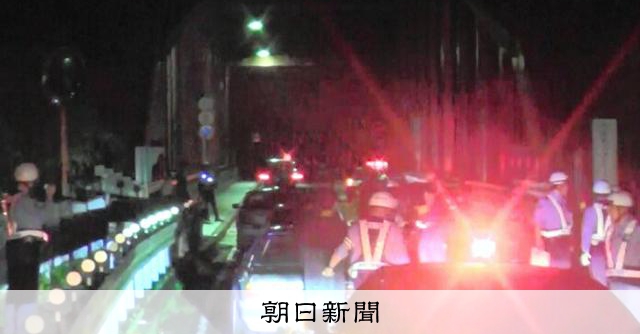
Authorities have conducted a large-scale operation to crack down on illegal street racing activities, effectively shutting down a location widely known as a 'holy land' for such activities. The operation took place in the early morning hours on a mountain pass, a popular and often dangerous venue for these races. Police employed a pincer movement strategy, surrounding the area to apprehend participants. This coordinated effort aimed to disrupt the organized nature of the street racing scene and deter future illegal gatherings. The crackdown signifies a serious attempt by law enforcement to regain control over public roads frequently used for dangerous and illegal motorsport. Details regarding the number of arrests or seizures were not immediately available, but the operation's scale suggests a significant impact on local street racing communities. The mountain pass, due to its winding roads and isolation, has long been a challenging area for police to monitor and control. This operation highlights the persistent issue of illegal street racing and the ongoing efforts to address it.
This operation addresses the persistent challenge of illegal street racing, often concentrated in specific locations like remote mountain passes. The use of a coordinated 'pincer movement' suggests a strategic effort to overcome the difficulties of apprehending participants in such dynamic and often dispersed activities. Such crackdowns, while necessary for public safety and order, often lead to the displacement of these activities to other areas or a temporary pause before resumption. The long-term effectiveness hinges on sustained enforcement, community engagement, and potentially providing regulated alternatives for motorsport enthusiasts. From a systems perspective, the 'holy land' designation points to a subculture that has established informal networks and routines, requiring a multi-faceted approach beyond mere enforcement to truly dismantle.
AI-generated to prompt reflection — not editorial opinion, not advice, not a statement of fact. How this works.