Police Operation Targets Group Suspected of $4.5 Million Land Fraud in Porto de Galinhas
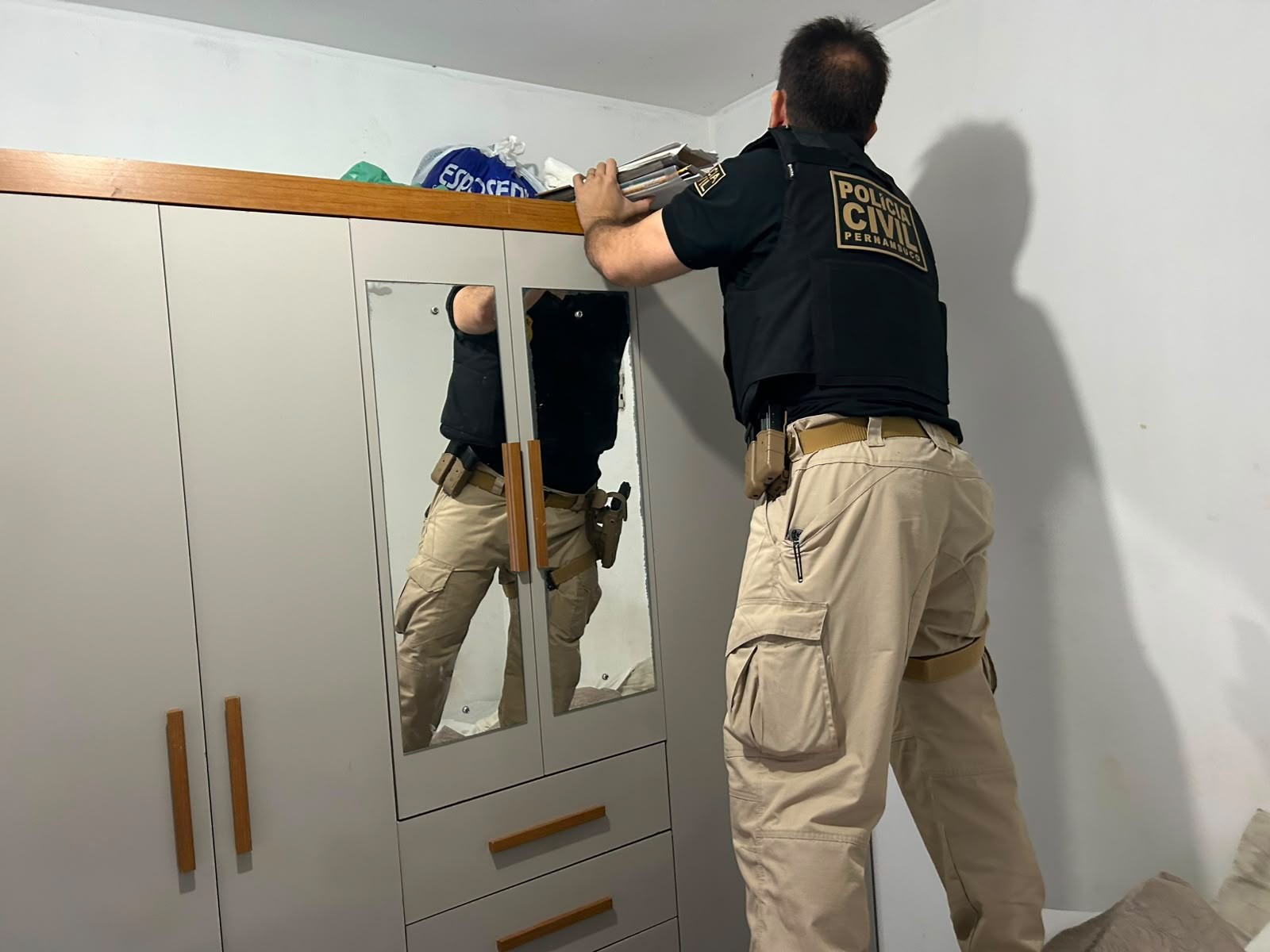
Civil Police in Brazil have launched "Operação Escritura Fria" (Cold Deed Operation) to investigate a group suspected of defrauding a couple out of a valuable piece of land. The property, located on Porto de Galinhas beach in Ipojuca, Grande Recife, is valued at R$ 4.5 million. The suspects allegedly forged documents to transfer ownership of the land, which belongs to a couple residing in California, USA. The scheme was uncovered in March when the overseas couple attempted to sell their land and discovered it was registered under a company name without any record of a sale. Investigations revealed that the fraudulent transaction was facilitated through a notary office in Olinda, using a power of attorney purportedly issued in Rio Grande do Norte. Forensic analysis confirmed the documents were fake. Five individuals are suspected of involvement, including an attorney who is the brother of a notary responsible for an office in Parnamirim, Rio Grande do Norte. Other suspects include a dispatch agent, a relative of the notary's employee, and two other attorneys, along with the company that falsely acquired the land's title. No arrests were made during the operation, which involved five house search and seizure warrants. The suspects may face charges including fraud, criminal association, identity fraud, forgery of public documents, and using forged documents.
This operation highlights vulnerabilities in property title transfer systems, particularly when international ownership is involved. The alleged use of forged documents and a power of attorney originating from a different state suggests a sophisticated scheme exploiting procedural gaps. The involvement of individuals connected to notary services raises critical questions about internal controls and oversight mechanisms within these institutions. Future efforts to safeguard property rights could focus on enhanced digital verification, cross-jurisdictional data sharing, and stricter due diligence protocols for high-value transactions, especially those involving absentee owners. Examining the incentive structures that might encourage such fraudulent activities, alongside strengthening legal recourse for victims, will be crucial in preventing similar incidents in the evolving digital landscape.
AI-generated to prompt reflection — not editorial opinion, not advice, not a statement of fact. How this works.