Police Operation Targets Motorcycle Theft Ring Across Piaui and Maranhao
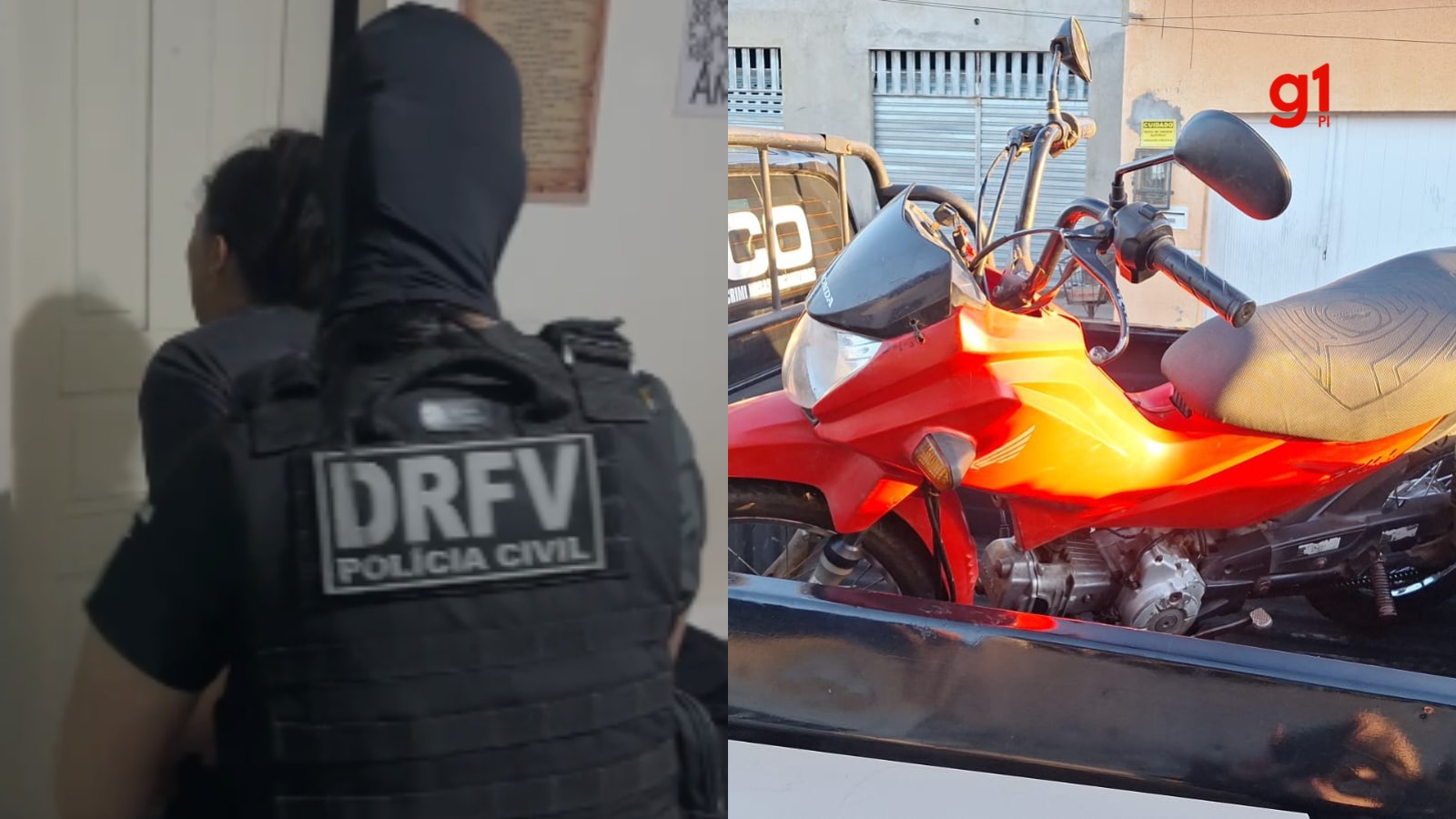
Authorities in Piaui, Brazil, launched "Operação Cheval" on Thursday, November 2nd, targeting a criminal group suspected of stealing and altering motorcycles. The operation spanned multiple locations, including Teresina and Monsenhor Gil in Piaui, and Caxias and Timon in Maranhao. As of now, 16 individuals have been apprehended, and 19 judicial warrants are being executed. Investigations by the Department of Vehicle Theft and Robbery (DRFV) revealed that the group would steal motorcycles in Piaui, disable GPS trackers, and then falsify identification numbers and license plates. These altered vehicles were subsequently sold in Maranhao. The organization operated with a structured hierarchy, assigning specific roles to its members, including those who committed the thefts, those who received the stolen goods, those who altered the vehicles, and those who facilitated their resale in other states, particularly in Caxias and Timon. The operation involved significant inter-agency cooperation, with support from various state and federal security forces, including the FEISP, DRACO, DENARC, the 1st Divisional Police Station, the Piaui Military Police, the Maranhao Civil Police, and the Timon Department of Homicide and Personal Protection.
This operation addresses a sophisticated, structured criminal enterprise engaged in vehicle theft and illicit resale, highlighting systemic vulnerabilities in vehicle security and cross-state law enforcement coordination. The group's method of disabling GPS trackers and altering identification markers points to a calculated effort to circumvent detection, underscoring the need for advanced anti-theft technologies and robust vehicle identification verification processes. The collaboration between multiple police departments across two states demonstrates a positive trend in combating organized crime, yet the continued prevalence of such operations suggests ongoing challenges in addressing the root causes of theft and the demand for illicitly traded vehicles. Future efforts could focus on enhancing data sharing protocols and developing predictive analytics to proactively identify and disrupt such networks before significant harm occurs.
AI-generated to prompt reflection — not editorial opinion, not advice, not a statement of fact. How this works.