Police Operation Uncovers Arms and Drug Trafficking Ring Supplying Rival Gangs in Brazil
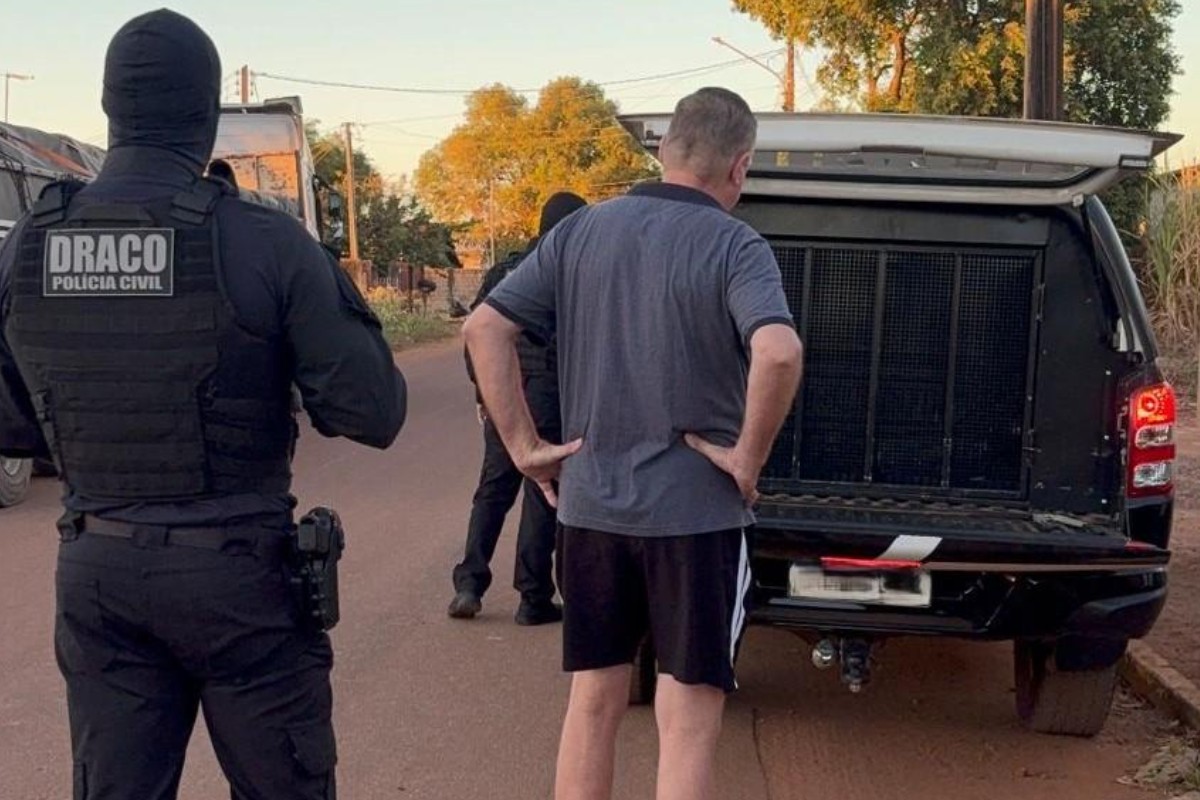
Civil Police in Mato Grosso (MT), Brazil, launched "Operação Duplo Comando" on Thursday, February 2nd, to dismantle a criminal association suspected of supplying firearms and drugs to two rival criminal factions operating in Sinop, MT. The operation resulted in the execution of seven arrest warrants across MT and Mato Grosso do Sul (MS). Four warrants were served in Sinop, one within the State Central Penitentiary (PCE) targeting a regional leader of one faction, and two in Coronel Sapucaia, MS, a border town with Paraguay.
In total, 15 judicial orders issued by the 5th Criminal Court of Sinop were fulfilled. During the operation, one suspect was also arrested for illegal possession of firearms and ammunition. Investigations, led by the 1st Police Station of Sinop over several months, revealed the group was responsible for transporting weapons and narcotics from the Brazil-Paraguay border region to supply criminal organizations in Sinop and surrounding municipalities. Seized items include a 9mm pistol, a 20-gauge shotgun, 58 rounds of ammunition, and a pickup truck. Police state the operation aims to disrupt the flow of illicit arms and drugs fueling gang activity in the state, with ongoing investigations to identify further accomplices and understand the group's financial and logistical structure.
This operation highlights the persistent challenge of cross-border illicit trafficking networks that fuel organized crime within Brazil. The interdiction of arms and drugs destined for rival factions underscores the complex dynamics of territorial control and resource acquisition that drive gang violence. Future efforts may benefit from enhanced international cooperation along the Paraguay border and a focus on disrupting the financial infrastructure supporting these supply chains. Examining the systemic incentives that allow such operations to persist, particularly the demand for illicit goods within correctional facilities and urban centers, is crucial for developing more sustainable public safety strategies.
AI-generated to prompt reflection — not editorial opinion, not advice, not a statement of fact. How this works.