Police Re-examine Apartment Where Captain Died; Husband Investigated for Femicide
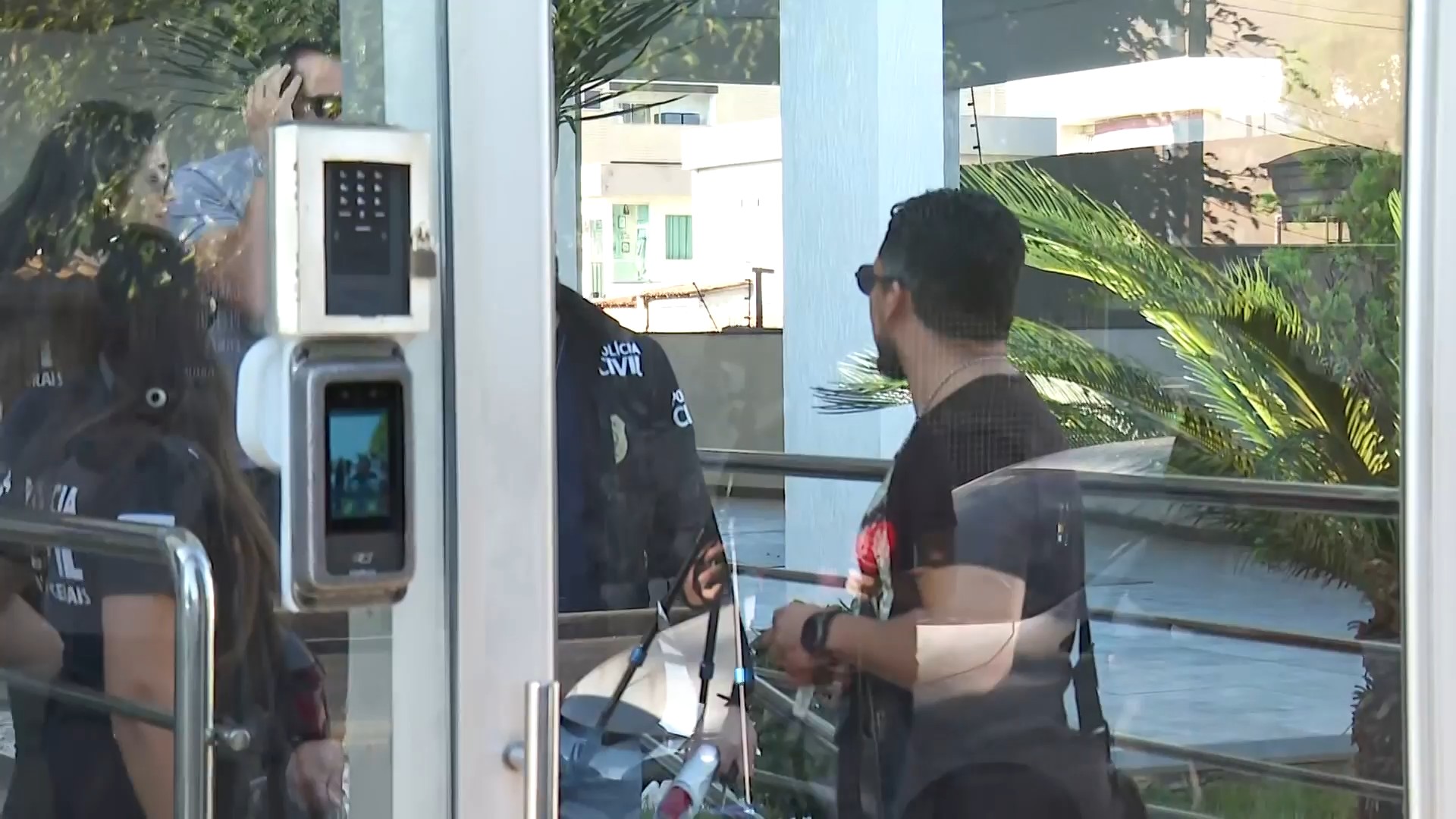
Civil Police conducted a new forensic examination on Tuesday, August 28th, at the Belo Horizonte apartment where Captain Michele Leão Azevedo of the Military Police was found dead. The investigation is treating the case as femicide, and the apartment will remain sealed until the work is completed. The forensic team, led by Delegate Ana Paula Rodrigues, spent approximately two hours at the scene, accompanied by the victim's uncle. The objective was to conclude pending inquiries and forensic procedures. In addition to evidence from the apartment, police also examined the car of a man who attended a party the night before Captain Azevedo's death. This vehicle, which had been in the building's garage, yielded no evidence of investigative interest, and its owner will be interviewed as a witness. Captain Azevedo died on the night of July 20th, having been brought to Hospital Odilon Behrens by her husband, Sergeant Eduardo Abner Pereira de Oliveira. He was arrested after medical staff observed multiple injuries and a significant head wound, consistent with violence. The court has since converted his arrest into pre-trial detention. Sergeant Oliveira claims the injuries resulted from consensual sexual practices and a fall down stairs, denying any criminal involvement. However, initial findings suggest Captain Azevedo died four to six hours before arriving at the hospital. Investigators previously seized a broken wooden handle from near an emergency exit, potentially used in the assault, and noted the bed linens were in the washing machine. The IML's final autopsy report is pending.
The investigation into Captain Michele Leão Azevedo's death centers on allegations of femicide against her husband, Sergeant Eduardo Abner Pereira de Oliveira. The forensic re-examination of the apartment and the vehicle of a party attendee indicates a thorough investigative process aimed at corroborating or refuting the husband's account of consensual activities and accidental injury. The delay in the IML report, coupled with the continued sealing of the apartment, highlights the complexity and sensitivity of gathering definitive evidence in domestic violence cases. Future legal proceedings will likely scrutinize the timeline of events, the nature of the injuries, and the credibility of witness testimonies to establish causality and intent, underscoring the importance of robust forensic and legal frameworks in addressing gender-based violence.
AI-generated to prompt reflection — not editorial opinion, not advice, not a statement of fact. How this works.