Police Release Tattoo Image in Bid to Identify Man Found Dead in Brisbane Park
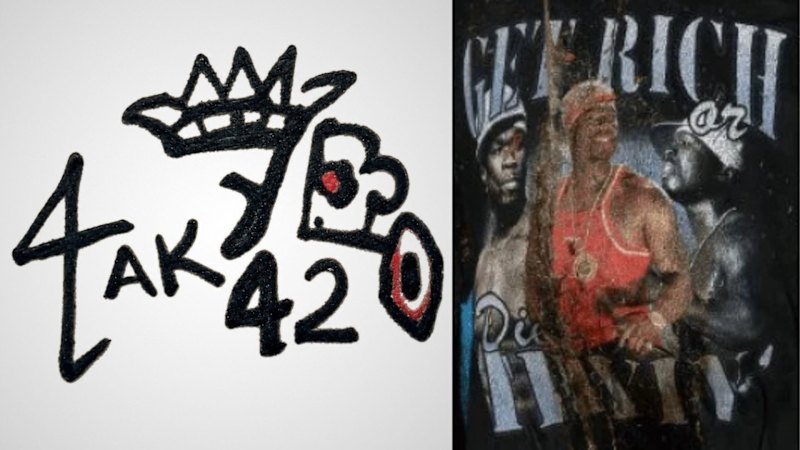
Queensland Police have released an image of a distinctive tattoo in an ongoing effort to identify an unknown man found deceased in a Brisbane park earlier this year. The man was discovered in May, and despite extensive investigations, his identity remains a mystery. Detectives are hoping the clear image of the tattoo, which is located on the man's left forearm, will jog the memory of someone who recognizes it or the man himself. The tattoo features a detailed depiction of a skull with intricate floral designs. Authorities have stated that releasing the image is a last resort after exhausting other avenues for identification. They are appealing to the public for any information, no matter how small, that could assist in providing the man with a name and potentially informing his family. The circumstances surrounding his death are not considered suspicious at this time, but the lack of identification is hindering the completion of the investigation and the process of notifying next of kin. The public has been urged to contact Crime Stoppers if they have any relevant details.
The release of a tattoo image highlights a common challenge in law enforcement investigations: identifying unknown individuals, particularly when circumstances are not suspicious. This approach leverages public recognition as a critical investigative tool, acknowledging that community awareness can sometimes bridge gaps where forensic or traditional methods fall short. The strategy implicitly relies on the assumption that the deceased had social connections or that the tattoo itself is unique enough to be recognized. From a systemic perspective, such cases underscore the importance of robust missing persons databases and cross-jurisdictional data sharing to facilitate identification. In the context of evolving identification technologies, this case also serves as a reminder that traditional markers like tattoos remain relevant in the absence of other identifying information, prompting consideration of how such unique personal identifiers can be better cataloged and utilized in the digital age.
AI-generated to prompt reflection — not editorial opinion, not advice, not a statement of fact. How this works.