Police Seek Electronic Device Analysis in Death of Acre Lawyer
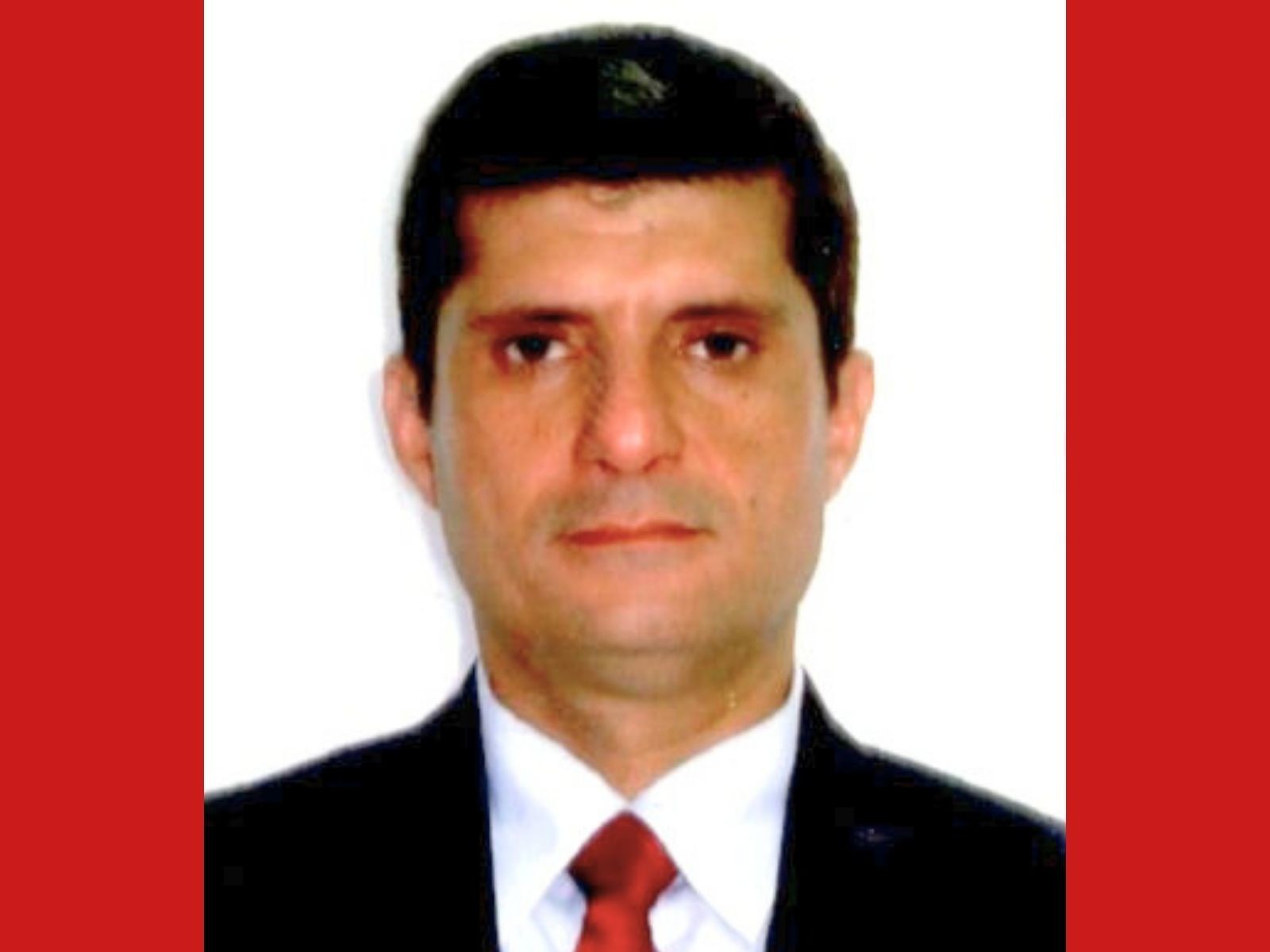
Civil Police in Cruzeiro do Sul, Acre, have seized the cell phone and notebook belonging to 48-year-old lawyer Hélio Montilha Júnior. His body was discovered on Tuesday, November 7th, in his office, which also served as his residence in the Remanso neighborhood. The seized electronic devices are expected to aid the investigation into his death. Delegate Heverton Carvalho confirmed the seizure during a press conference on Wednesday, November 8th, stating that all hypotheses are being considered. The devices were collected during forensic work at the scene. Carvalho explained that the analysis of the data on these devices will require judicial authorization. Currently, there are no apparent signs of violence, and the primary suspicion leans towards a natural cause of death. An initial hypothesis suggests Montilha may have died on Sunday, November 5th. A resident reported last seeing the lawyer on Sunday morning. The delegate believes the death likely occurred Sunday afternoon or evening, with the warm, poorly ventilated office potentially contributing to the body's advanced state of decomposition. The body has been released and is expected to be transported back to Montilha's hometown in São Paulo state. His family has been contacted and is arranging for the body's transfer.
The investigation into Hélio Montilha Júnior's death highlights the critical role of digital forensics in contemporary investigations. The seizure of electronic devices underscores the necessity for law enforcement to access digital information, balancing investigative needs with privacy rights, which will likely require judicial oversight. The preliminary assessment suggesting a natural cause, while considering other possibilities, reflects a standard investigative approach. The case also brings attention to the challenges of determining time of death, particularly in environments that may accelerate decomposition. As digital footprints become increasingly integral to personal and professional lives, their analysis will continue to be a pivotal, yet complex, element in uncovering the circumstances surrounding unexplained deaths, requiring careful legal and ethical navigation.
AI-generated to prompt reflection — not editorial opinion, not advice, not a statement of fact. How this works.