Police Seize Illicit Surveillance Cameras in João Pessoa Operation
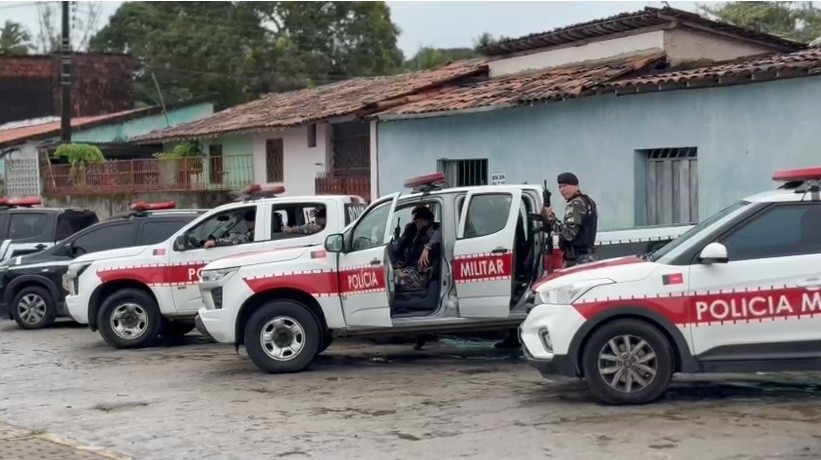
Military Police in João Pessoa, Brazil, have seized seven irregular surveillance cameras during an operation in the Mecânico District. Lieutenant Colonel Bruno stated that authorities are investigating whether these cameras were used by criminal factions. The seized systems will be presented to the Civil Police to determine who installed them and for what purpose, with potential criminal charges if linked to illicit activities. The operation is part of a broader police presence in the Mecânico District, which began on Tuesday, May 14th, following a shootout between police and suspects involved in a carjacking and alleged affiliation with an armed group. During that earlier incident, police responded to reports of armed men and located a stolen vehicle with seven suspects. Upon police arrival, the suspects allegedly opened fire, leading to a confrontation where three individuals were shot and apprehended. These three were taken to the João Pessoa Trauma Hospital. The police recovered the stolen car, a revolver, and ammunition. Four other suspects fled but were later located in the Cruz das Armas neighborhood. One of these individuals, found with a firearm and ballistic vest, was shot and taken into custody after resisting arrest. The remaining individuals were subsequently arrested. All seized materials and apprehended suspects have been transferred to the Civil Police headquarters for further investigation and identification.
This operation highlights the dual challenges of public security and illicit surveillance in urban areas. The seizure of unauthorized cameras suggests a potential for these devices to be used to facilitate criminal activities, bypassing official monitoring and potentially aiding organized crime. The police response, involving direct confrontation and subsequent arrests, underscores the immediate risks faced by law enforcement in combating armed groups. Moving forward, understanding the systemic incentives for installing and operating such irregular surveillance systems will be crucial. This includes examining potential gaps in legal frameworks, the role of technology accessibility, and the underlying socio-economic factors that may drive individuals or groups towards such activities. Addressing these root causes, alongside robust enforcement, is key to long-term security improvements and ensuring public trust in surveillance technologies.
AI-generated to prompt reflection — not editorial opinion, not advice, not a statement of fact. How this works.