Police Shut Down Tabaco Shop Party, Detain 25 Teens and Arrest 4 Men in MT
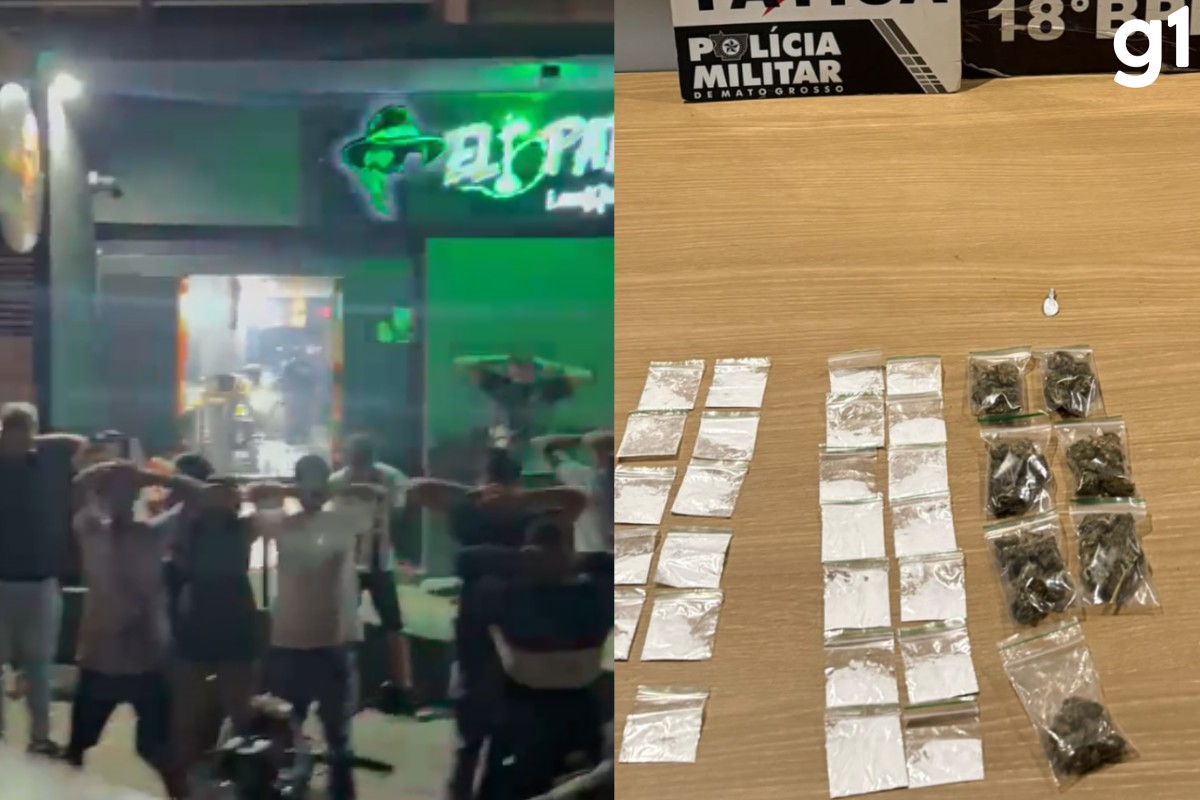
Police in Pontes e Lacerda, Mato Grosso, Brazil, shut down a party at a tabaco shop early Saturday, November 11th, leading to the detention of 25 adolescents and the arrest of four men, including the establishment's owner. The intervention occurred after police received tips about underage individuals consuming alcohol and drugs at the venue. Upon arrival, officers observed a large crowd, many of whom were teenagers. Breathalyzer tests confirmed alcohol consumption by some attendees. During the operation, marijuana was found in the bag of a 16-year-old girl, and cocaine was discovered in the bathrooms and a private booth. Two men wearing electronic monitoring devices, who were prohibited from being at the location, were also arrested. The tabaco shop owner and the party organizer claimed that the adolescents had used counterfeit identification to gain entry, and both were subsequently arrested. The Conselho Tutelar (Child Protective Services) was notified and attended the scene. All individuals were taken to the Civil Police station for further investigation.
This incident highlights significant regulatory and oversight failures concerning venues that cater to a mixed-age clientele, particularly when alcohol and potentially illicit substances are involved. The presence of minors consuming alcohol and drugs, coupled with the use of falsified identification and the involvement of individuals with electronic monitoring devices, suggests systemic weaknesses in age verification, security protocols, and potentially in the enforcement of parole conditions. The long-term implications involve potential changes in licensing requirements for such establishments, increased scrutiny of age-gating technologies, and a broader discussion on the social environment that facilitates underage access to controlled substances and adult-oriented venues. Future policy may need to address the responsibility of venue owners more stringently, especially when operating in proximity to areas where adolescent social activities are prevalent.
AI-generated to prompt reflection — not editorial opinion, not advice, not a statement of fact. How this works.