Police Use Forensic Archaeology to Uncover Buried Evidence
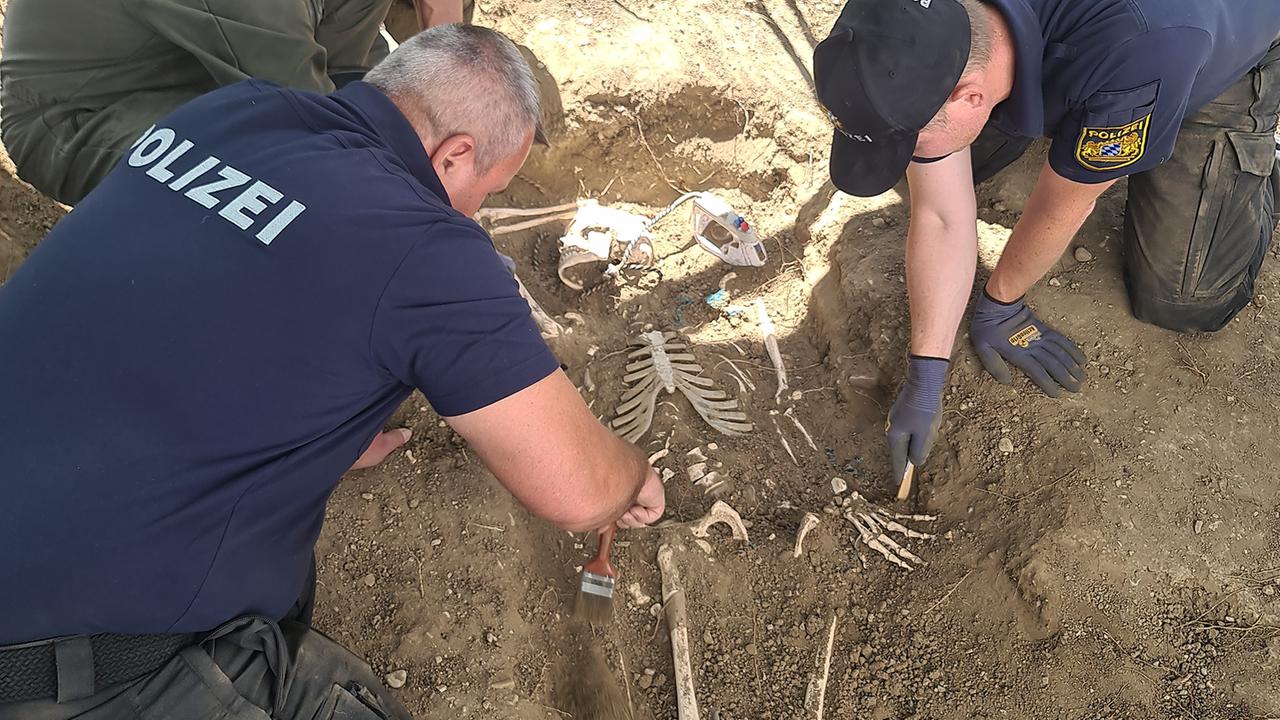
Investigators are increasingly facing challenges with buried crime scenes, prompting police technicians to adopt methods from forensic archaeology. This specialized field allows for the recovery of evidence that may have been hidden for decades. The integration of archaeological techniques aims to enhance the ability of law enforcement to secure crucial traces from concealed locations. This approach is particularly valuable when dealing with cold cases or situations where evidence has been deliberately concealed underground. By applying principles of excavation and preservation, police can meticulously uncover and document findings that might otherwise be lost. The training of criminal technicians in these methods signifies a proactive step towards improving investigative capabilities in complex scenarios. This development highlights the evolving nature of forensic science and its adaptation to new challenges in evidence recovery.
The adoption of forensic archaeology by law enforcement represents a strategic adaptation to sophisticated concealment methods. This approach leverages systematic excavation and preservation techniques, traditionally used in historical research, to address challenges posed by buried evidence. By integrating these disciplines, police aim to enhance their capacity to uncover and analyze traces that might degrade or become irretrievable over time. This development underscores a broader trend in criminal investigation towards interdisciplinary problem-solving, driven by the need to overcome increasingly complex evidentiary landscapes. The long-term implications may involve more effective resolution of cold cases and a stronger deterrent against the deliberate concealment of criminal activity.
AI-generated to prompt reflection — not editorial opinion, not advice, not a statement of fact. How this works.
