Polilaminina Study Published, But Efficacy Remains Uncertain
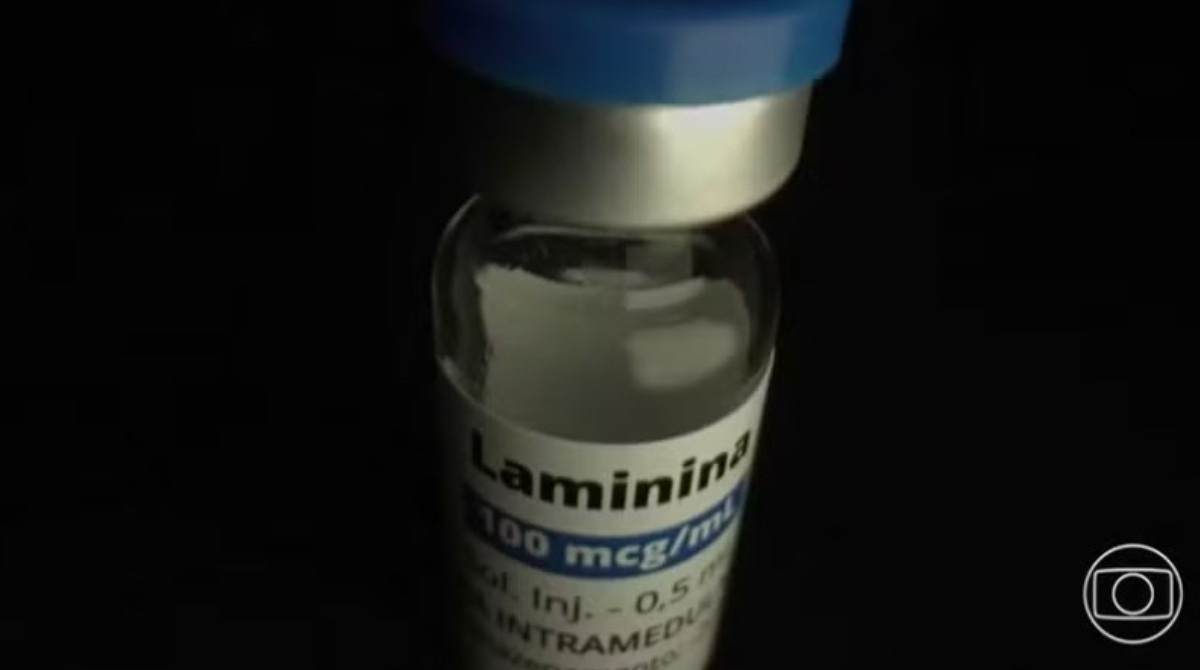
A scientific article detailing the first human trial of polilaminina has been published in the journal "Spinal Cord." The study focused on evaluating the safety of applying the substance directly to the spinal cord. The research tracked eight patients with complete traumatic spinal cord injuries, reporting that six experienced some degree of motor recovery. However, the publication notes that larger studies with control groups are necessary to confirm the treatment's effectiveness in patient recovery. This article follows a preliminary, non-peer-reviewed preprint version released in 2024, which had been rejected by other journals. Previously, researchers acknowledged errors in the preprint, including a misrepresentation of a patient's follow-up period. The published version corrects this error and provides more detail on examinations to rule out temporary spinal shock. The study does not specify how many patients were evaluated but excluded. A significant limitation is the absence of a comparison group, making it impossible to determine if the observed recovery resulted from polilaminina, natural healing, surgery, or physical therapy. The article also notes variability in reported spontaneous recovery rates, ranging from 0% to approximately 15%, a figure that differs from previous estimates. While no severe adverse events or neurological worsening were attributed to the procedure, three patients died during the follow-up period from unrelated causes: pneumonia, cardiac tamponade, and sepsis.
The publication of this polilaminina study in "Spinal Cord" marks a step in the research process, moving from a preliminary preprint to a peer-reviewed format. However, the inherent limitations highlighted in the summary—specifically the lack of a control group and the variability in reported recovery rates—mean that definitive conclusions about polilaminina's efficacy cannot yet be drawn. The scientific community requires robust comparative data to ascertain whether observed improvements are attributable to the intervention itself or other factors like natural healing and standard rehabilitation. Future research must address these methodological gaps to provide clearer insights into the potential of polilaminina for spinal cord injury patients, balancing the promise of novel treatments with the imperative for rigorous scientific validation.
AI-generated to prompt reflection — not editorial opinion, not advice, not a statement of fact. How this works.
