Polish Defense Minister Defends Patriot Missile Aid to Ukraine, Citing National Interest
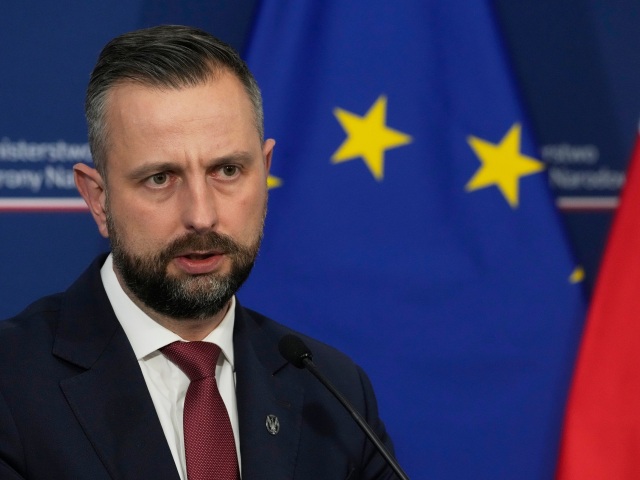
Polish Defense Minister Władysław Kosiniak-Kamysz has strongly defended his government's decision to supply Patriot missiles to Ukraine. He stated that this military assistance is firmly in Poland's national interest. Kosiniak-Kamysz made these remarks during an interview with the Polish television channel TVN24. The news was reported by the Ukrainian Pravda news website. The minister's comments come amid criticism from some who oppose continued aid to Ukraine. He expressed frustration with these critics, questioning whether their stance stems from "treason or stupidity" and suggesting they have become irrational. The defense minister emphasized that the decision to provide the Patriot missiles was made with Poland's security and strategic objectives in mind. He aims to reassure the public and counter narratives that question the wisdom of supporting Ukraine's defense efforts. This stance highlights the ongoing debate within Poland regarding the extent and nature of its involvement in the conflict.
The Polish Defense Minister's assertion that supplying Patriot missiles to Ukraine serves Poland's national interest frames the decision within a strategic security calculus. This perspective suggests that bolstering Ukraine's defense capabilities is viewed as a means to contain regional instability, thereby indirectly safeguarding Polish security. The minister's strong reaction to critics, characterizing their opposition as potentially "treasonous or foolish," underscores a divide in public and political discourse regarding foreign policy priorities. From a systemic viewpoint, such aid decisions reflect complex geopolitical pressures and the evolving security architecture of Eastern Europe. The long-term implications involve managing alliance commitments, resource allocation, and the potential for escalating regional tensions, all within the context of an increasingly unpredictable global landscape.
AI-generated to prompt reflection — not editorial opinion, not advice, not a statement of fact. How this works.