Polish F-16s Intercept Russian Reconnaissance Plane Over Baltic Sea
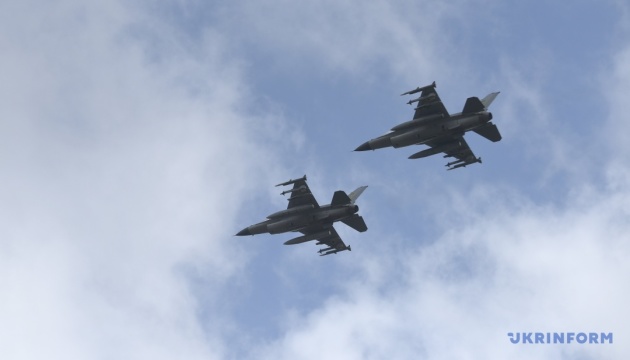
On Friday, Polish F-16 fighter jets intercepted a Russian Il-20 electronic reconnaissance aircraft over the Baltic Sea. The Russian plane was reportedly flying without a flight plan and with its transponder turned off. This incident highlights ongoing aerial activity and potential airspace monitoring by various nations in the strategically important Baltic region. The interception by Polish forces underscores the vigilance maintained over international airspace. Such events are not uncommon in areas with heightened geopolitical tensions. The presence of reconnaissance aircraft often signals intelligence-gathering operations. The use of transponders is a standard procedure for air traffic control and identification. A lack of a flight plan can raise concerns about the aircraft's intended route and purpose. This event serves as a reminder of the complex air traffic management and security protocols in place.
This interception event, involving a Russian Il-20 reconnaissance aircraft and Polish F-16s, illustrates the persistent need for robust air traffic control and national airspace security in regions with significant geopolitical activity. The absence of a flight plan and disabled transponder on the Russian aircraft suggest a deliberate choice to operate with reduced visibility, potentially for intelligence gathering or to test response protocols. From a systems perspective, such actions necessitate a high state of readiness for air defense forces, consuming resources and potentially increasing the risk of miscalculation. The incident underscores the challenge of maintaining situational awareness and de-escalating tensions in a contested airspace, particularly in the context of evolving technological capabilities in surveillance and electronic warfare over the next decade.
AI-generated to prompt reflection — not editorial opinion, not advice, not a statement of fact. How this works.