Polish President Vetoes Same-Sex Partnership Bill
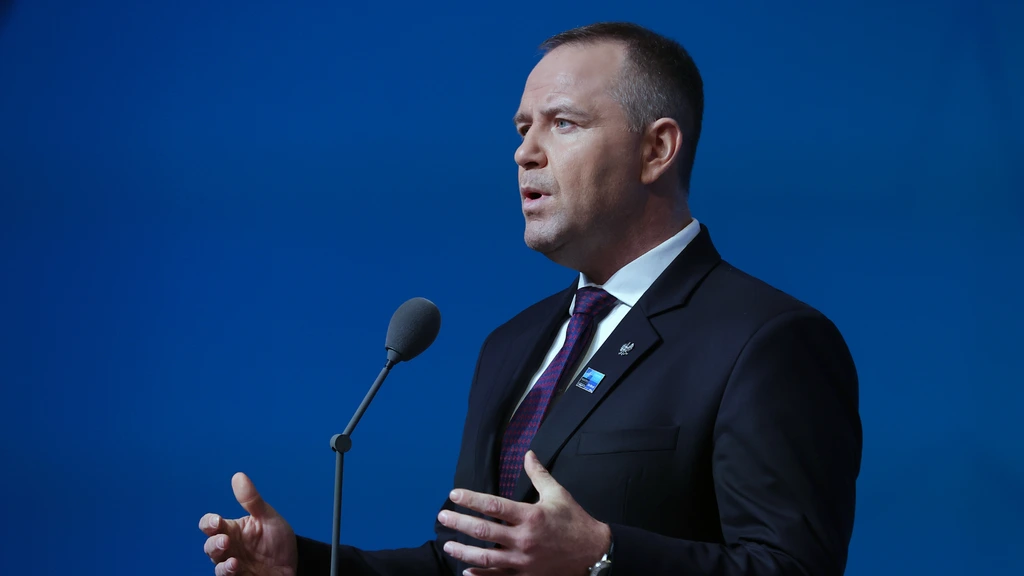
Polish President Andrzej Duda has vetoed two legislative proposals that would have allowed same-sex couples to enter into civil partnerships. The president exercised his constitutional right to block the laws, which had already passed through the Polish parliament. These proposed laws aimed to provide legal frameworks for same-sex cohabitation, covering aspects such as housing, joint assets, and access to medical information. The veto by Duda, a conservative nationalist affiliated with the opposition PiS party, halts the legislation. He argued that the proposed civil partnerships granted rights too similar to those of marriage, which he believes goes too far. Prime Minister Donald Tusk expressed strong disapproval, calling the veto "an expression of contempt for people and their right to happiness and a normal life." Tusk characterized the bill as non-ideological and intended to simplify people's lives. The struggle for LGBTQ+ rights in Poland has been challenging, with the previous PiS government often stigmatizing homosexuality. Tusk's liberal government, which took power in 2023, has shown a more supportive stance, including a recent announcement to recognize same-sex marriages performed in other European countries, following rulings by the European Court of Justice and Polish courts. However, Tusk faces an obstacle in President Duda, who has frequently used his veto power to obstruct the government's agenda since winning the presidency over a year ago. Previous vetoes by Duda have targeted initiatives related to wind energy regulations, financial aid for Ukrainian refugees, and military support for Ukraine, as well as an EU loan for Polish defense.
The Polish president's veto of same-sex partnership legislation highlights a persistent tension between progressive social reforms and conservative political forces within Poland. This action underscores the challenges faced by LGBTQ+ rights advocates in a country with deeply entrenched traditional values, even under a more liberal government. The president's justification, citing concerns over the proximity of partnership rights to marriage, reflects a common argument used to resist expanding such rights, often framed within cultural or religious contexts. From a governance perspective, the repeated use of the presidential veto against parliamentary initiatives suggests a potential for legislative gridlock and a divergence in political priorities between the executive and the government. Looking ahead, the trajectory of LGBTQ+ rights in Poland will likely depend on the evolving public opinion, the strength of international legal frameworks, and the ongoing political negotiations between different branches of government. The situation also points to broader European debates about the definition of family, individual rights, and the role of the state in regulating personal relationships, particularly in the context of evolving societal norms and technological advancements that may further redefine partnership and family structures.
AI-generated to prompt reflection — not editorial opinion, not advice, not a statement of fact. How this works.