Political Alignments Shift Ahead of India's Monsoon Parliament Session
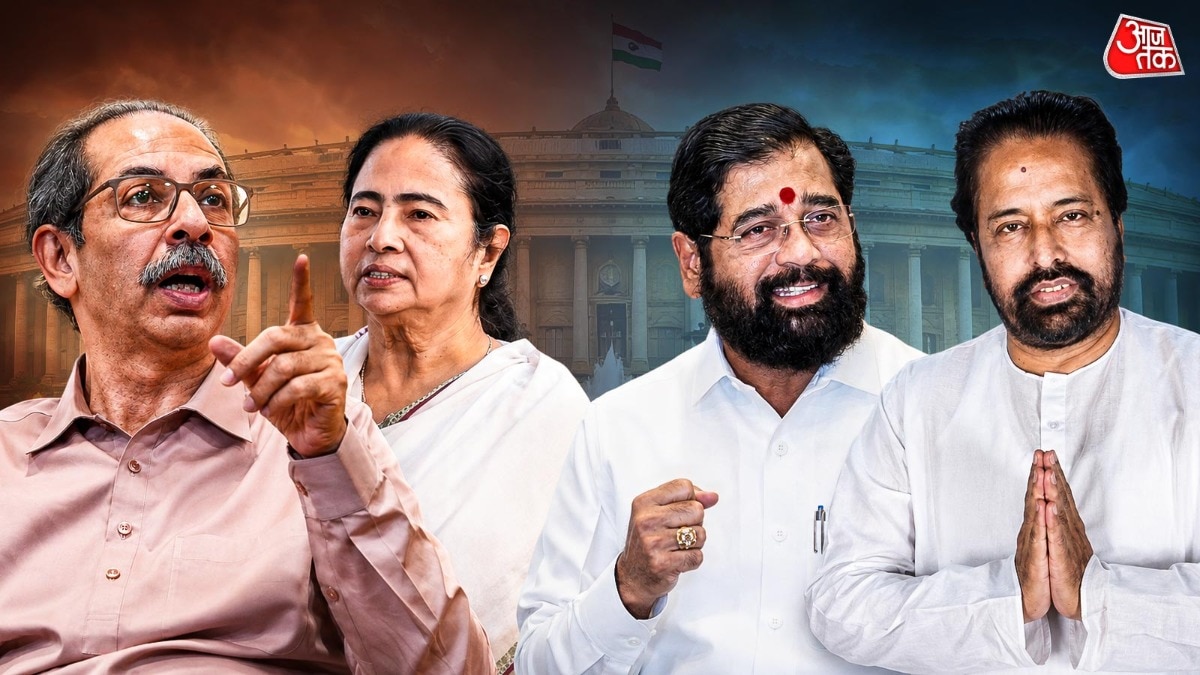
The upcoming monsoon session of India's Parliament, commencing on July 20, is set to witness significant shifts in political alignments. Members of Parliament from the Trinamool Congress (TMC), including Sayanoni Ghosh and Yusuf Pathan, will reportedly not be seated with Abhishek Banerjee's faction. This suggests a potential internal division within the party. Furthermore, six Members of Parliament from Shiv Sena (Uddhav Balasaheb Thackeray) will now be seated with the Eknath Shinde-led Shiv Sena faction. These changes in seating arrangements within Parliament indicate a broader realignment of political forces, signaling a new dynamic in the balance of power between ruling and opposition parties.
The shifts in parliamentary seating arrangements reflect evolving political strategies and potential realignments among key regional parties in India. These adjustments may be driven by internal party dynamics, electoral considerations, or attempts to consolidate influence within specific political blocs. As the monsoon session commences, these changes could impact legislative negotiations and the overall political discourse, potentially leading to new alliances or increased fragmentation. Observers will be watching to see how these evolving relationships shape policy outcomes and the broader political landscape over the next decade, particularly in the context of India's federal structure and the increasing importance of regional parties.
AI-generated to prompt reflection — not editorial opinion, not advice, not a statement of fact. How this works.