Political and Civil Corruption: A Continuous Cycle
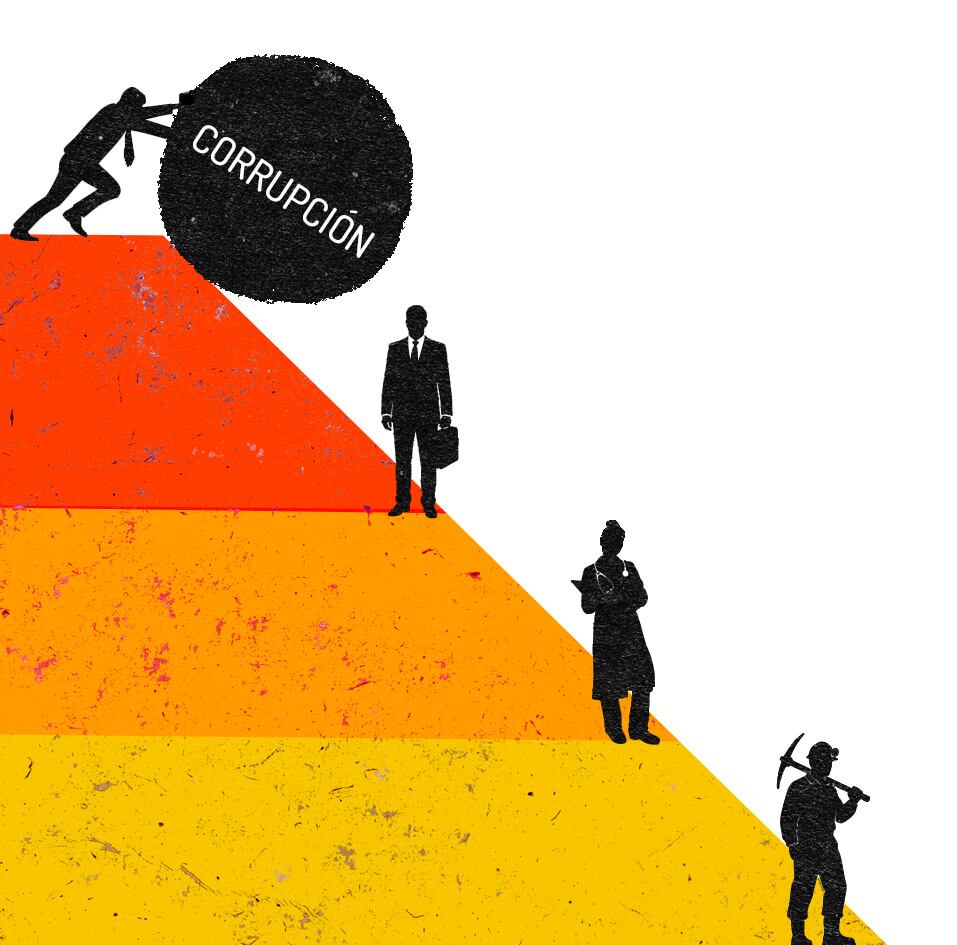
The article highlights an undeniable continuity between the everyday corrupt practices and the major scandals involving large political parties. This suggests that corruption is not an isolated phenomenon but rather a pervasive issue that spans different levels of society and governance. The "day-to-day trap" likely refers to minor acts of graft or unethical behavior that are commonplace, while "major scandals" point to larger, more systemic corruption involving significant financial or political implications. The assertion of continuity implies that these seemingly disparate forms of corruption are interconnected, perhaps feeding into each other or stemming from similar underlying causes. This perspective challenges the notion that corruption is solely the domain of a few bad actors, suggesting instead a more deeply ingrained problem within the political and civil structures. The piece implies a need to address both the micro-level and macro-level manifestations of corruption to achieve meaningful change. It underscores the difficulty in distinguishing between minor transgressions and major offenses when a continuous thread links them.
The observation of continuity between everyday corrupt practices and major political scandals suggests systemic issues rather than isolated incidents. This dynamic may stem from incentive structures that tolerate or even reward corrupt behavior at various levels, creating a self-perpetuating cycle. Addressing this requires a multi-faceted approach that not only punishes large-scale offenses but also tackles the normalization of minor corrupt acts. Future governance models might need to incorporate enhanced transparency mechanisms and accountability frameworks that reach from grassroots interactions to the highest echelons of power. Examining the underlying societal norms and ethical frameworks that permit such continuity will be crucial for fostering long-term integrity in public and civil life.
AI-generated to prompt reflection — not editorial opinion, not advice, not a statement of fact. How this works.