Political Clash: Chung Cheong-rae Accuses PM Han Duck-soo of Self-Serving Politics; Kim Min-seok Calls for Evaluation of Past Year
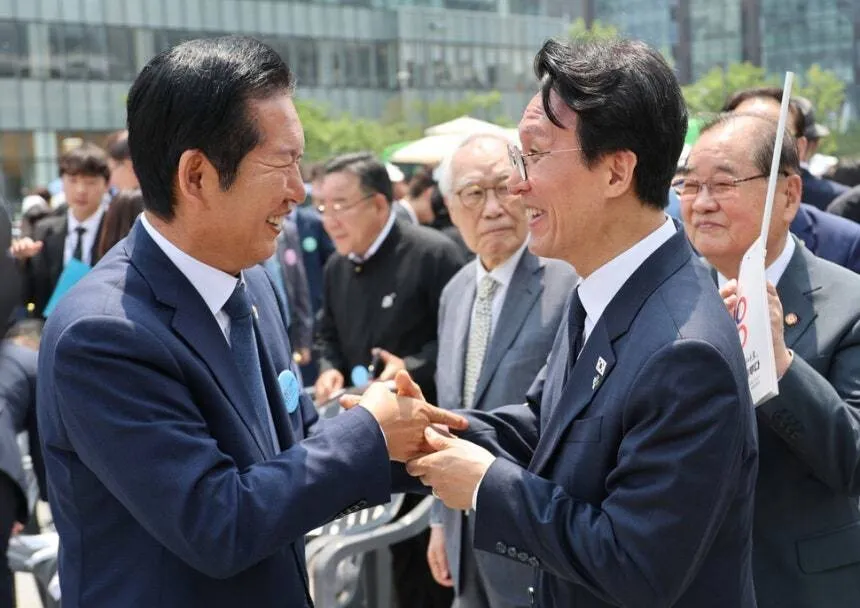
Chung Cheong-rae, a member of the Democratic Party of Korea, has launched a counterattack against Prime Minister Han Duck-soo, accusing him of engaging in self-serving politics. Chung's remarks suggest a critical view of the Prime Minister's recent actions and motivations. In response to the ongoing political discourse, Kim Min-seok, also a prominent figure, stated that it is time to evaluate the negative consequences of the past year. This call for assessment implies a belief that the preceding period has been detrimental and requires a thorough review of its impact. The exchange highlights significant internal political tensions and a desire for accountability regarding governance over the last twelve months.
This political exchange reflects a common dynamic where opposition figures scrutinize government actions for perceived self-interest, while allies call for retrospective evaluation of policy outcomes. The framing of 'self-serving politics' versus 'evaluating past harms' sets up a narrative of political maneuvering versus accountability. From a governance perspective, the tension between immediate political strategy and long-term policy impact assessment is crucial. As AI integration accelerates, the ability of political systems to objectively measure the consequences of decisions, beyond partisan rhetoric, will become increasingly vital for effective governance and public trust. The focus on past performance may also indicate a strategic positioning ahead of future political events, underscoring the cyclical nature of political accountability and campaign messaging.
AI-generated to prompt reflection — not editorial opinion, not advice, not a statement of fact. How this works.