Political Disputes Threaten Budva Riviera Company's Liquidation
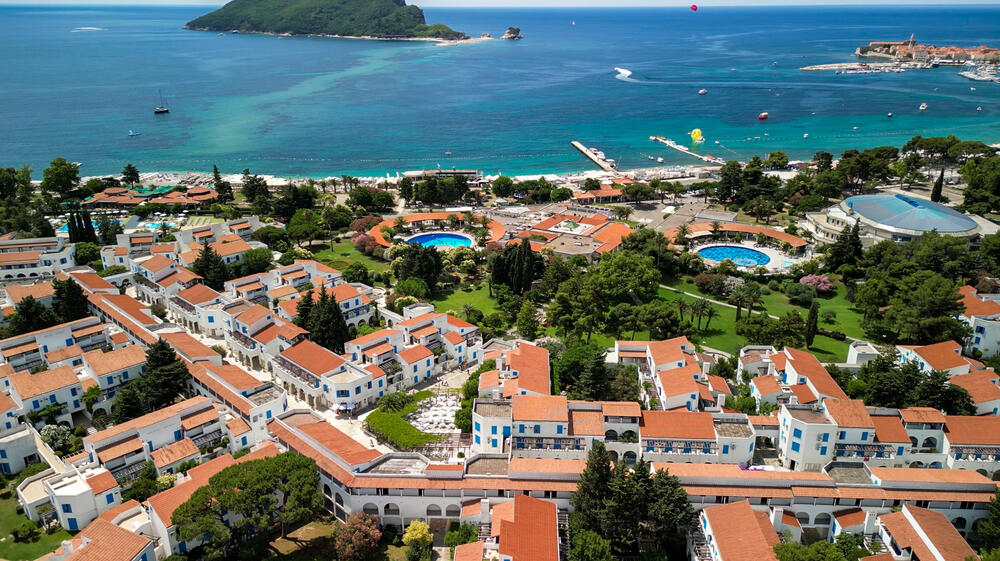
The Budva Riviera company is facing potential liquidation due to political maneuvering and a failure to adopt a new statute within the legally mandated timeframe. The company's statute was not approved with the required two-thirds majority because a single vote from the government representative at the Ministry of Tourism was missing. Sources indicate that the New Democratic Party (NSD) is seeking the director position and desires expanded authority. However, this move is opposed by minority shareholders and state funds overseen by the Europe Now Movement (PES). The political infighting appears to be paralyzing the company's governance and jeopardizing its future operations. The lack of consensus among key stakeholders, particularly the government's representative, highlights a significant governance challenge. This situation could lead to severe financial repercussions for the company and its investors.
The situation at Budva Riviera exemplifies how political power struggles can directly impede corporate governance and operational stability. The requirement for a two-thirds majority for statute adoption underscores the need for broad consensus, which is clearly lacking due to competing political interests. The NSD's alleged pursuit of greater control, met with resistance from minority shareholders and PES-controlled funds, suggests a potential conflict between partisan objectives and fiduciary duties. This dynamic, if unchecked, could lead to a breakdown in decision-making, ultimately risking the company's financial viability. Future governance models for state-influenced enterprises might need stronger mechanisms to insulate operational decisions from short-term political winds, ensuring long-term sustainability and shareholder value.
AI-generated to prompt reflection — not editorial opinion, not advice, not a statement of fact. How this works.