Political Extremism Erodes Standards, Leading to a "Race to the Bottom"
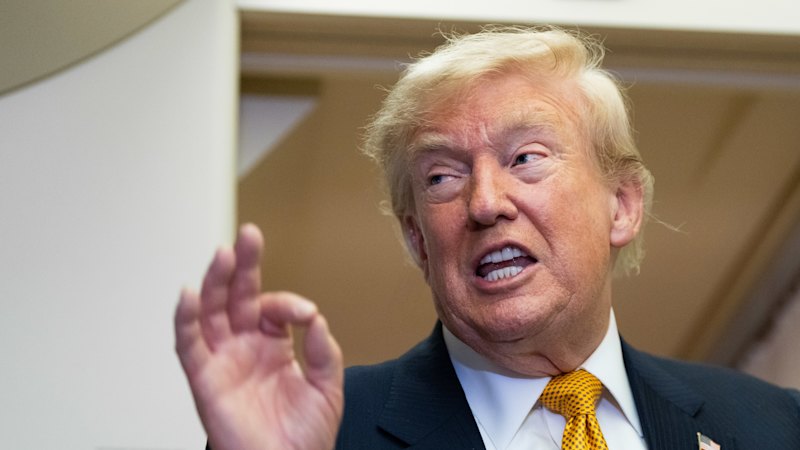
The author observes a concerning trend where political extremism is increasingly being perceived as a virtue, leading to a societal "race to the bottom." This phenomenon is exemplified by the reaction of some supporters of Donald Trump, referred to as "MAGA men," who reportedly admired Trump for alleged personal conduct, such as a purported encounter with Stormy Daniels. This admiration, the author suggests, indicates a shift where traditionally negative traits are being reframed or overlooked in the pursuit of political alignment. An elder from the author's former church is quoted describing Trump as an "alley cat," a metaphor that encapsulates this perceived lack of conventional moral or ethical restraint being embraced by some.
The article implies that this normalization of extremism and disregard for established norms affects both sides of the political spectrum, suggesting a broad societal decline in standards. The author expresses concern that this dynamic is not conducive to productive political discourse or ethical governance. Instead, it fosters an environment where extreme positions and behaviors are rewarded, pushing society towards lower ethical and behavioral benchmarks.
The observed phenomenon of political extremism being reframed as a virtue, and the subsequent "race to the bottom" in public discourse, suggests a potential erosion of traditional civic norms. This dynamic may be exacerbated by social media algorithms that amplify polarizing content and create echo chambers, rewarding extreme viewpoints with engagement. As political actors increasingly prioritize loyalty and ideological purity over policy substance or ethical conduct, governance structures could face challenges in maintaining public trust and effective decision-making. The long-term implications may include a further fragmentation of society and a diminished capacity for collective problem-solving, particularly in an era demanding nuanced responses to complex global issues.
AI-generated to prompt reflection — not editorial opinion, not advice, not a statement of fact. How this works.